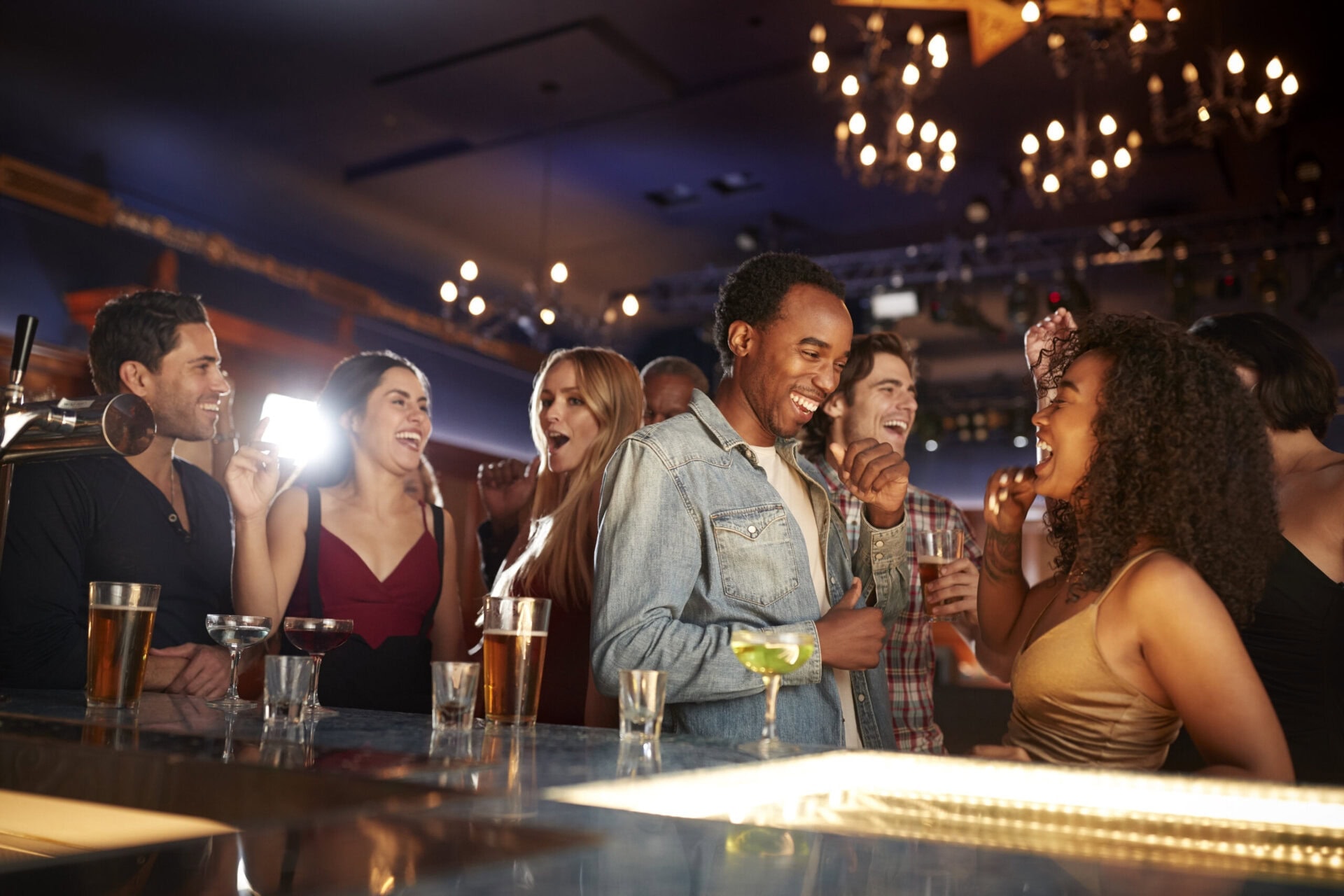
The bar industry is stabilizing in 2026, with traffic improving and consumer intent strengthening. However, spending remains selective, and alcohol purchases are more deliberate. Growth is being driven by experience, value perception, and occasion-based visits rather than broad increases in consumption.
The phrase bar industry trends 2026 reflects a market that is active but evolving. Data from NielsenIQ’s on-premise momentum report (opens in a new tab), the National Restaurant Association, and OpenTable supports a consistent conclusion. Consumers are returning to bars. However, they are behaving differently once they arrive.
Traffic Is Returning, but Behavior Has Changed
Recent survey data shows a clear rebound in visitation. NielsenIQ reports that 78% of consumers visited a restaurant in the past month. Meanwhile, nearly half went out specifically for drinks. This indicates that bars remain central to social activity.
However, frequency does not equal spend. Guests are going out more often, yet they are managing their budgets carefully. As a result, operators are seeing steady foot traffic paired with inconsistent check averages.
This shift has created a more complex operating environment. Volume alone no longer guarantees revenue growth. Instead, conversion and occasion relevance now drive performance.
Spending Is More Intentional in 2026
Consumers are not abandoning alcohol. Instead, they are becoming more selective in how and when they purchase it.
According to industry analysis, alcohol dollars in on-premise settings have shown modest declines despite stable visitation. This suggests that guests are:
- Ordering fewer drinks per visit
- Trading between price tiers more frequently
- Alternating between alcoholic and non-alcoholic options
Importantly, this behavior reflects discipline rather than disengagement. Guests still value the bar experience. However, each purchase is being evaluated more carefully.
Value Has Replaced Premiumization as the Driver
For years, premiumization defined the bar industry. That dynamic is now evolving.
In 2026, value perception has become the dominant factor. This does not mean lower prices alone. Instead, it means that guests expect a clear return on their spend.
Experiential elements now carry greater weight. These include:
- Unique cocktail presentations
- Smaller format or “trial” drinks
- Social and shareable menu items
- Themed events or collaborations
OpenTable data reinforces this trend. Experiential dining demand has increased significantly, while happy hour promotions have regained importance.
Therefore, value is being defined by experience, not just price.
Happy Hour and Occasion-Based Drinking Are Back
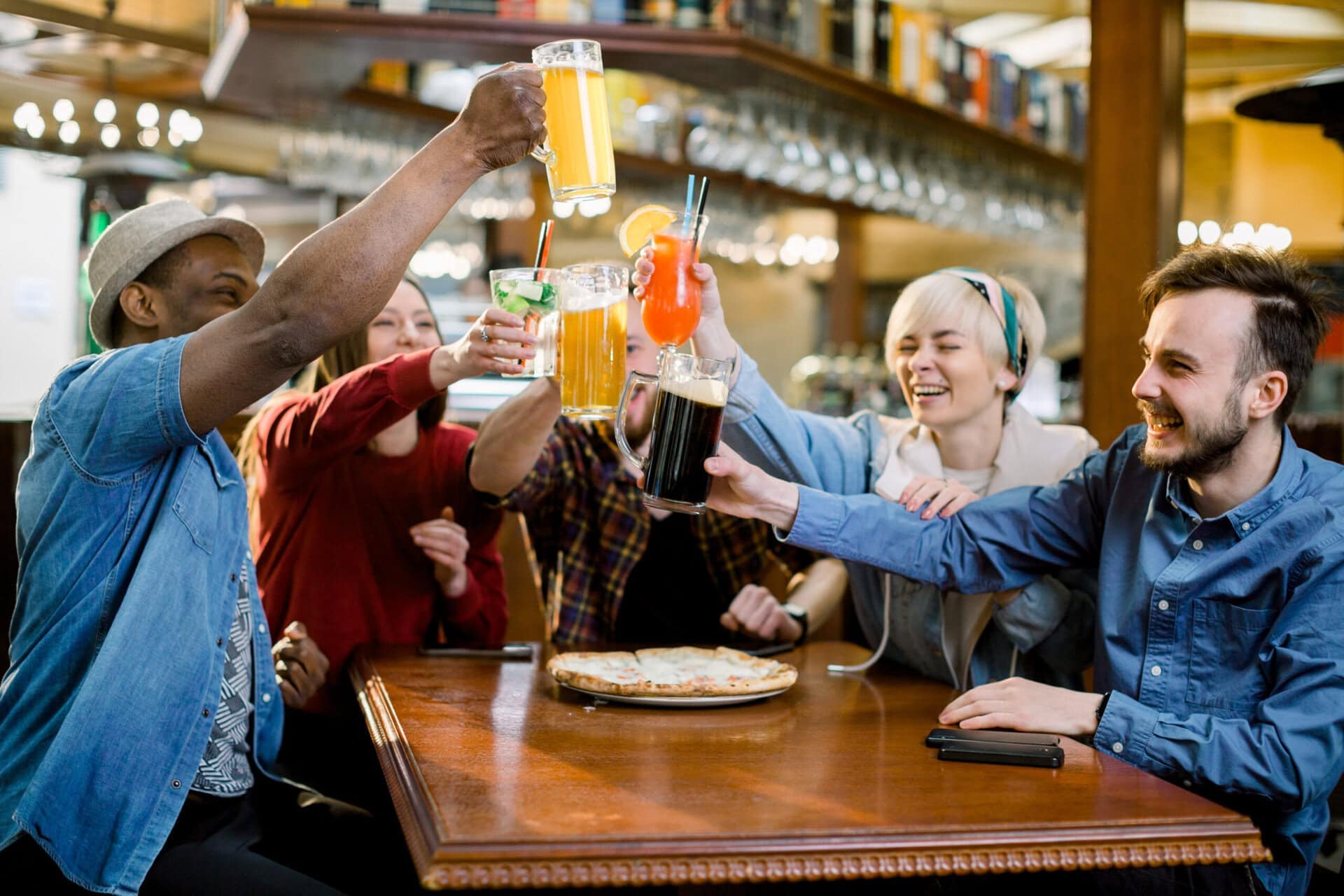
One of the clearest signals in bar industry trends 2026 is the resurgence of structured occasions.
Happy hour has re-emerged as a critical traffic driver. Early evening dining and drinking have increased, reflecting consumer demand for affordability and flexibility.
At the same time, visits are increasingly tied to specific purposes:
- Celebrations
- Social gatherings
- Event-driven outings
- Planned nights out
This represents a shift away from casual, unplanned consumption. Bars must now give customers a reason to visit, not just an opportunity.
REALATED: HAPPY HOUR COCKTAILS ARE REVIVING ON-PREMISE
Spirits Remain Strong, but Moderation Is Real
Spirits continue to dominate beverage choice in bars. Surveys show that a majority of drinkers still select spirits-based beverages when going out.
Cocktails remain central to the bar experience. They offer differentiation, creativity, and perceived value.
However, moderation trends are influencing behavior. A growing portion of consumers are:
- Participating in low or no-alcohol occasions
- Alternating drink types within a single visit
- Seeking balance rather than excess
This creates both risk and opportunity. Bars that expand beverage offerings without diluting identity are better positioned to capture these evolving preferences.
Labor and Sales Data Support a Stable Market
Government and industry data provide additional validation, including the National Restaurant Association’s 2026 State of the Industry report.
U.S. foodservice sales have increased year over year in nominal terms. Employment levels in bars and restaurants have remained relatively stable. These indicators suggest that the industry is functioning at a healthy baseline.
However, inflation-adjusted growth remains modest. This reinforces the idea that recovery is real but measured.
Operators should interpret this as a stable foundation rather than a surge environment.
What This Means for Bar Operators and Suppliers
The implications of bar industry trends 2026 are highly practical.
Success now depends on execution, not just positioning.
Operators should focus on:
- Designing clear value propositions
- Creating defined drinking occasions
- Leveraging happy hour strategically
- Offering varied drink formats and price points
Suppliers, meanwhile, should prioritize:
- Menu visibility and placement
- Staff education and engagement
- Formats that encourage trial and repeat purchase
- Alignment with experiential programming
The on-premise channel remains the most effective environment for brand discovery. However, it now requires precision to convert interest into sales.
The Bottom Line
The bar industry in 2026 is not in decline. It is in transition.
Traffic is improving, and consumer interest remains strong. However, spending is more selective, and expectations are higher. Growth is being driven by experience, value, and intentional occasions rather than volume alone.
For operators and suppliers, the opportunity is clear. The market is active. However, success will depend on delivering relevance, not relying on momentum.
FAQs: Bar Industry Trends 2026
Are bar sales increasing in 2026?
Bar traffic is improving, but alcohol sales growth remains uneven due to selective consumer spending.
Are people going out to bars more often?
Yes. Visitation has increased, but frequency does not always translate into higher spending.
What is driving bar industry trends in 2026?
Experience, value perception, and occasion-based visits are the primary drivers.
Is premiumization still relevant in bars?
It is evolving. Guests will spend on premium options when the experience justifies the price.
Are consumers drinking less at bars?
In many cases, yes. Moderation and selective purchasing are shaping consumption patterns.