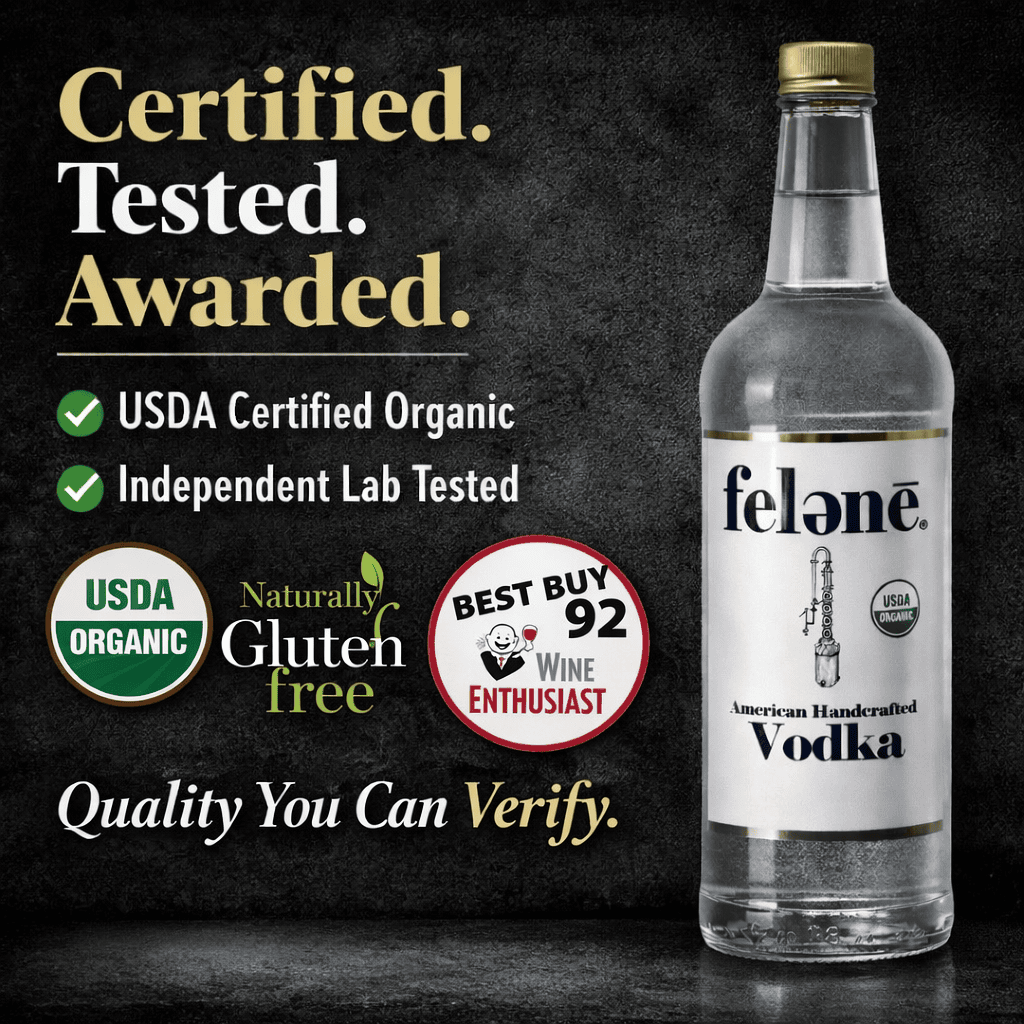
Home distilling remains largely illegal under federal law, although the Fifth Circuit ruling has challenged that framework. The decision has introduced legal uncertainty and renewed interest in home distilling culture. At the same time, it has surfaced long-standing underground practices and stories that were once kept quiet, including the origin story behind Felene Vodka.
In layman’s terms, the Fifth Circuit said the federal government cannot ban home distilling just by arguing that the ban helps with taxes. The court’s logic was straightforward: if the law prevents spirits from being made, it does not raise tax revenue. It prevents taxable product from existing. However, the ruling stopped short of deciding whether the ban could still survive under Congress’s interstate commerce power. (Source: U.S. Court of Appeals for the Fifth Circuit, McNutt v. U.S. Department of Justice, No. 24-10760).
Long Island Roots: Where the Story Actually Starts
The story did not begin in a rural setting. Instead, it began on the North Shore of Long Island, between Glen Cove and Sea Cliff. This area carries a quiet but meaningful history tied to alcohol. During Prohibition, rum runners operated along these same waters, moving spirits under cover of darkness. That legacy was not abstract. It was part of the local identity and environment.
At the same time, the legal side of alcohol was always present. The Kelly family of Old Brookville, New York owned and operated liquor stores in New York for nearly 40 years. As a result, the retail business of spirits was well understood. However, production remained a separate discipline. That gap between retail knowledge and production curiosity ultimately drove the first experiments.
Felene still maintains it’s original corporate presence in Glen Head, N.Y.
The goal was never just to make great vodka. The goal was to create a world-class spirit that could stand on any stage. While international acclaim has been humbling, the harder challenge remains. Turning Felene into a global commercial success means competing in one of the most unforgiving industries in the world. Craft built the foundation. Now, execution will define the outcome
Tim Kelly, Master Distiller – Felene Inc
The Experiment Phase: From Potatoes to Sugarcane
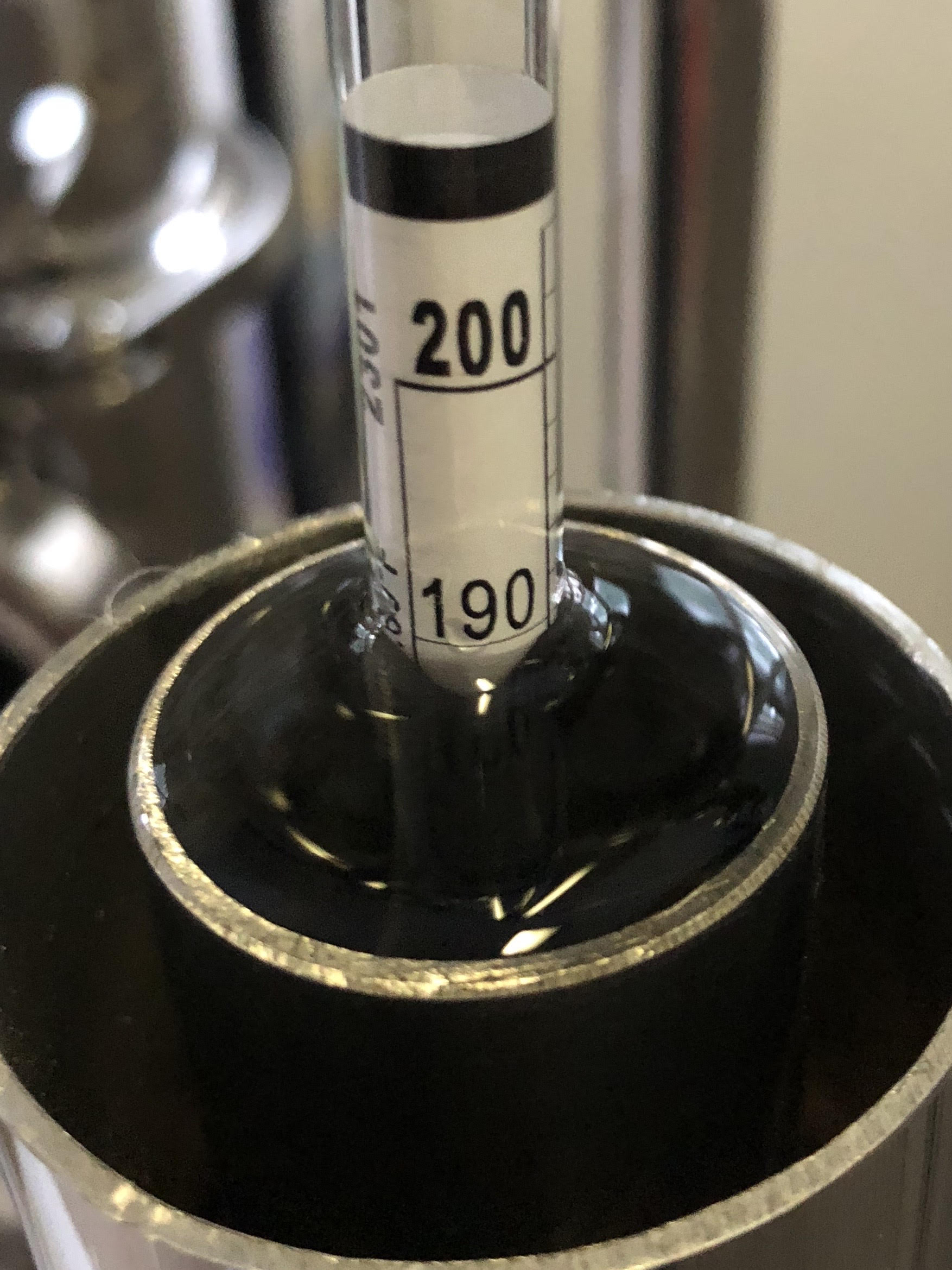
Like many early-stage distillers, the process began with trial and error. Potatoes were tested first because of their association with traditional Polish vodka and Long Island terroir. However, they proved inefficient and difficult to manage. Yield variability and process inconsistency created challenges that limited repeatability.
Next, wheat was explored. It offered more predictable fermentation characteristics. However, wheat required enzymatic conversion from starch to sugar before fermentation could begin. This added complexity and introduced unwanted byproducts.
Corn followed as a logical step. It was accessible and widely used in American spirits production. Still, the same structural limitations remained. Starch-based inputs required additional processing steps, which increased the likelihood of impurities.
Each iteration reinforced the same conclusion. The more complex the raw material, the more intervention was required during distillation.
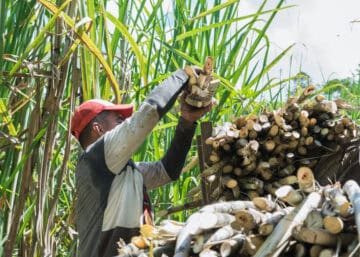
Eventually, sugarcane was introduced. Unlike starch-based inputs, sugarcane is directly fermentable. This simplified the fermentation process and reduced the formation of unwanted compounds. As a result, a cleaner and more controlled distillation profile was achieved. That insight became foundational to what Felene would later become.
Most modern distillers use corn, wheat, or potatoes because they are locally subsidized and economically efficient. However, these starch-based crops are not ideal for alcohol production. They require conversion into fermentable sugars, which adds complexity and increases the risk of unwanted byproducts. In contrast, sugarcane is directly fermentable, allowing for a cleaner and more controlled distillation process.
From Obsession to Recognition: Tim Kelly’s Self-Taught Path to Award-Winning Distilling
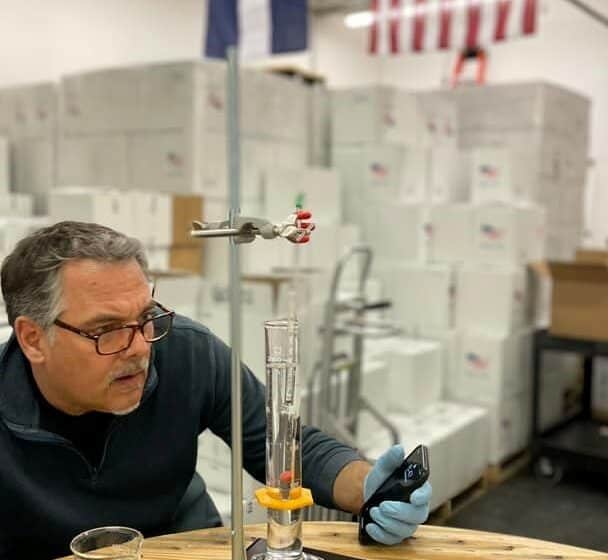
From the beginning, distillation was more than a project. It was an obsession. Years were spent researching, testing, and refining every step of the process. There was no formal training. Everything was learned through experimentation and repetition. Each batch built on the last. Each mistake led to improvement. Over time, that self-taught foundation evolved into a disciplined craft. Today, Tim Kelly stands among the most highly awarded distillers, having received top honors from the American Distilling Institute, proving that expertise can be earned outside traditional paths.
Urban Distilling: Controlled, Quiet, and Iterative
This was not a large-scale operation. It was a controlled environment focused on learning and refinement. Equipment was compact but precise. Adjustments were made continuously. Cuts were refined. Filtration methods were tested and improved.
Importantly, this was not reckless experimentation. It was structured and methodical. However, it still existed outside the regulatory framework. That reality carried inherent risk, even if the intent was educational and process-driven.
The Call That Forced a Decision
In 2017, that risk became real. Federal authorities made contact and issued a clear directive. Operations were to cease immediately. The column still was to be destroyed or properly registered. There was no ambiguity in the instruction.
At that moment, the path forward became binary. The project could be abandoned, or it could be formalized within the legal framework. Many similar efforts end at this stage. Equipment is dismantled, and the process stops.
However, a different decision was made. The operation would transition from underground experimentation to regulated production.
From Rum Point to Regulation
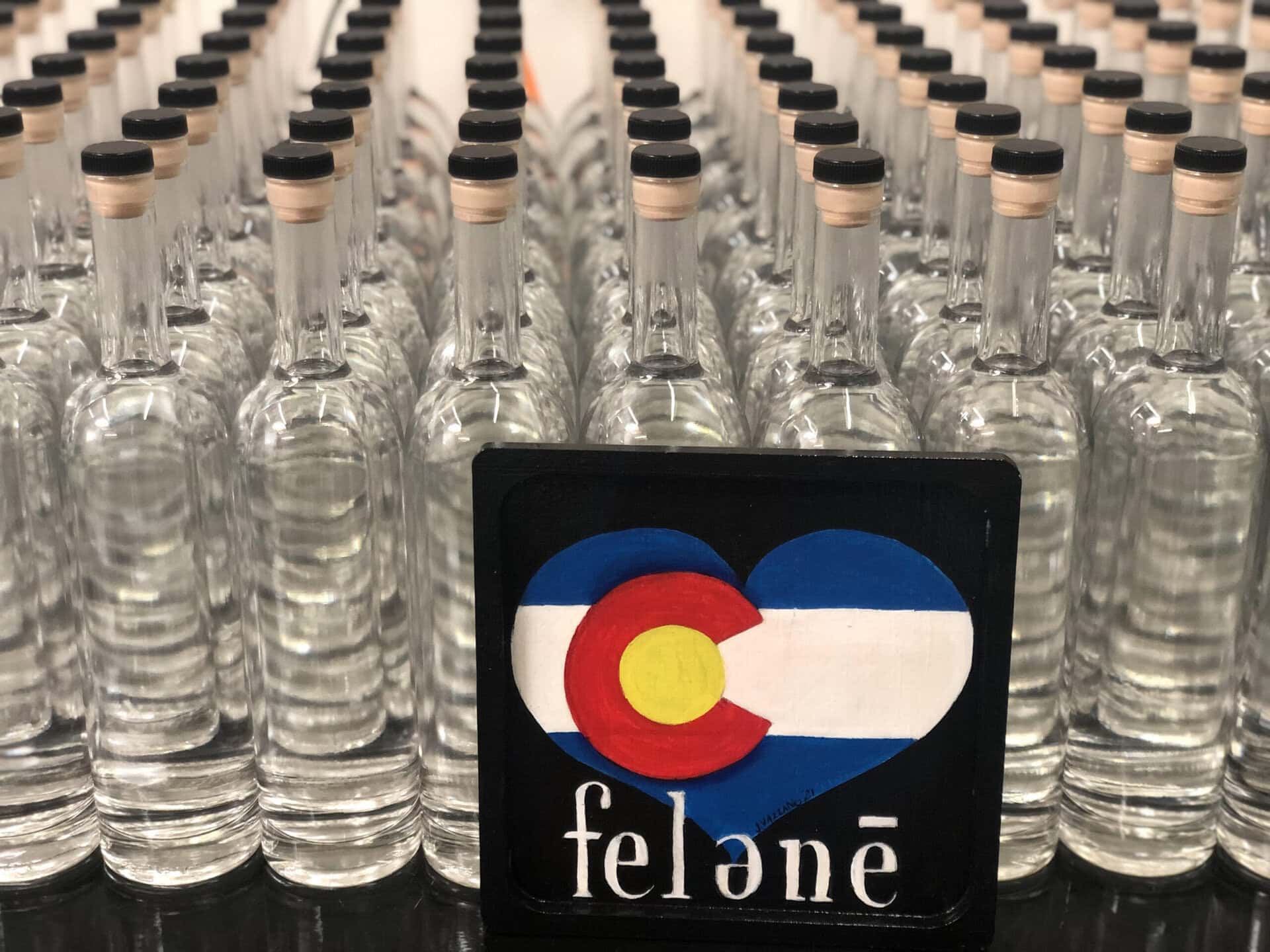

The transition required a complete shift in approach. Licensing was pursued, and regulatory requirements were studied in detail. Equipment was scaled to meet compliance standards. Documentation and process control became central to operations.
At the same time, the original insight remained intact. Sugarcane provided a cleaner and more efficient fermentation pathway. That principle continued to guide production decisions.
What began near Rum Point, influenced by Prohibition-era history and local culture, was now being rebuilt within a fully compliant system. The contrast between the two environments was significant. However, the foundation remained consistent.
The Fifth Circuit Ruling: A New Lens on an Old Reality
The Fifth Circuit decision has introduced a new dimension to this story. It has challenged the federal prohibition on home distilling and raised questions about its constitutional basis. While the ruling does not immediately legalize home distilling, it signals a potential shift in how the activity is viewed.
For many, this represents a new development. For others, it reflects a long-standing reality. The underground distilling community never disappeared. It continued to operate quietly, driven by individuals focused on craftsmanship and understanding.
This ruling does not eliminate regulatory requirements. However, it acknowledges that the boundary between legal and illegal distillation may not be as rigid as previously assumed.
A Note of Caution on the Ruling:
The law that once shut down small, home distilling operations is now being challenged in court. In simple terms, the Fifth Circuit said the federal government cannot justify banning home distilling just by tying it to taxation. The court’s logic was direct. If a law prevents alcohol from being made at all, then it does not generate tax revenue. Instead, it eliminates the possibility of revenue. That, the court said, falls outside the limits of Congress’ taxing authority.
However, the story does not end there. The court did not decide whether the same ban could be upheld under the Commerce Clause, which has historically been interpreted very broadly. In other words, while one legal foundation for the ban has been weakened, another may still support it. As a result, home distilling still sits in a gray zone, where the law is being actively tested but not fully settled.
For those who started in that gray zone, this moment feels less like a sudden shift and more like overdue recognition. The underground culture was never built on avoidance. It was built on curiosity, process, and refinement. What the court has done, at least in part, is acknowledge that the line between experimentation and regulation may not be as absolute as it once seemed.
A Broader Perspective on Industry Entry
Most consumers encounter spirits as finished products on retail shelves. The origin stories behind those products are rarely visible. However, many brands begin with experimentation and curiosity.
Some begin in formal laboratory settings. Others begin in small, improvised environments. Felene’s path reflects the latter.
A background in retail provided context and market understanding. Experimentation provided technical knowledge. Enforcement created a moment of accountability. Compliance enabled scalability and growth.
This progression is not uncommon. However, it is rarely documented in detail.
Final Thought: From Underground Curiosity to Structured Craft
The narrative surrounding moonshine often emphasizes rebellion. In reality, it is more accurately defined by exploration and problem-solving. Long Island’s history with rum runners created an environmental backdrop. A family history in liquor retail provided industry exposure. Experimentation built technical capability.
The defining moment came with federal enforcement. From that point forward, the process was no longer informal. It became structured, disciplined, and scalable.
The Fifth Circuit ruling does not change that journey. However, it may allow more individuals to begin their own path from curiosity to compliance.
Compliance Note: Distilling alcohol without proper licensing may still violate federal and state laws. This content is informational only.
Frequently Asked Questions: Home Distilling Laws in the U.S.
Is home distilling legal in the U.S.?
No, home distilling without a permit remains illegal under federal law. However, recent court rulings have challenged parts of that legal framework.
What did the Fifth Circuit actually rule?
The court ruled the federal ban exceeds Congress’ authority under the taxing power and the Necessary and Proper Clause. However, it did not rule on the Commerce Clause.
Does this mean I can legally distill alcohol at home now?
No, the ruling does not fully legalize home distilling. Federal law remains in effect, and enforcement can still occur under other legal arguments.
Why is home distilling treated differently than beer or wine?
Beer and wine were legalized for home production in 1978. However, distilled spirits remained restricted due to taxation, safety, and regulatory concerns.
What is the biggest legal risk with home distilling?
The primary risk is federal enforcement. Penalties can include fines, equipment seizure, and potential criminal charges.
Closing the GAP
Why do some people still distill at home despite the law?
Many are driven by curiosity, craftsmanship, and a desire to understand the process. Historically, enforcement has been selective but real.
What role does the Commerce Clause play in this issue?
The Commerce Clause gives Congress broad authority to regulate economic activity. It may still be used to justify restrictions on home distilling.
How did the Fifth Circuit ruling impact the industry?
The ruling has sparked renewed discussion and legal challenges. It may encourage more scrutiny of long-standing federal alcohol laws.
What is the difference between hobby distilling and commercial distilling?
Commercial distilling requires full licensing, tax compliance, and regulatory oversight. Hobby distilling operates outside that system and remains restricted.
How does this relate to Felene’s origin story?
Felene began as a home distilling experiment. After federal enforcement, it transitioned into a fully licensed and compliant distillery operation.