Updated April 27, 2026: This article was revised with expanded FAQs, sugarcane vodka verification guidance, and additional production context.
In this Article
Sugarcane vodka is often smoother because sugarcane contains readily fermentable sugars. These sugars can ferment cleanly without converting starches first. As a result, a well-made sugarcane vodka may contain fewer harsh fermentation byproducts. Organic production and proper vodka filtration can further improve texture, aroma, and finish.
As the founder and master distiller of Felene Vodka, I conduct more than 150 tasting events each year. Consumers frequently ask why sugarcane vodka tastes smoother than grain or potato vodka. The answer begins with fermentation chemistry. However, distillation choices, filtration design, and organic certification also matter.
What Is Sugarcane Vodka?
Sugarcane vodka is vodka distilled from fermented sugarcane juice, sugar, or molasses. Unlike grain or potato vodka, sugarcane vodka begins with simple sugars. These sugars can be converted by yeast into alcohol without first breaking down starch. That simpler fermentation pathway may support a cleaner, smoother spirit.
Why Sugarcane Vodka is Different
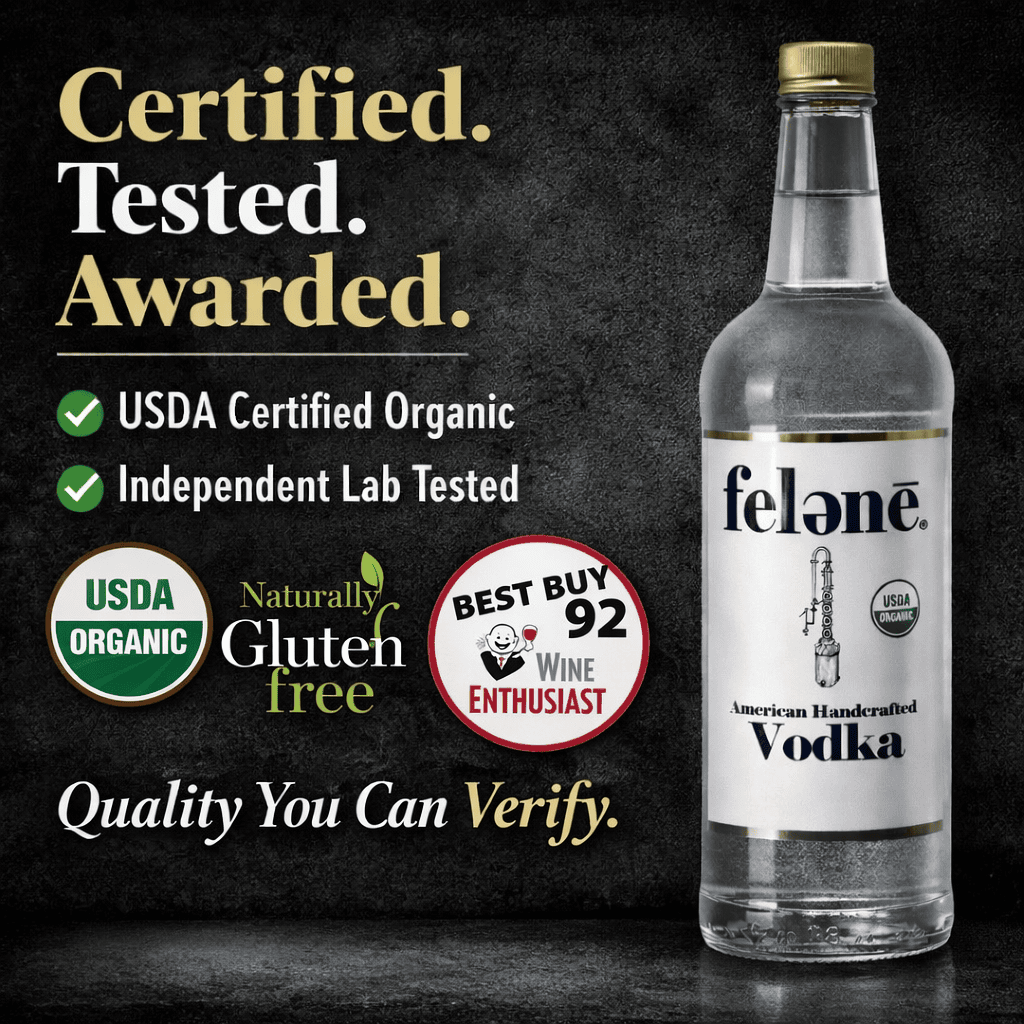
Felene Vodka is an organic sugarcane vodka distilled in Colorado. It is made without added sugar, citric acid, glycerin, artificial flavors, or softening agents. Because Felene is certified organic, its production must follow organic handling and traceability standards. That distinction matters when consumers compare “smooth” vodka claims.
In addition, some people will tell you that all vodka is the same, that’s a foolish urban legend and a ridiculous social media fabrication. And still others will swear that you can upgrade cheap vodka into premium vodka by pouring it through your water filter. The bottom line, there are a lot of fabrications circulating about vodka quality, and a lot of them come from manufacturers that know little or nothing about vodka themselves. Unfortunately, almost anyone can buy bulk vodka and resell it, often making misleading, exaggerated or meaningless claims.
One thing I wish to dispel immediately is “number of times distilled” claims many brands put on their bottle. Ignore it, it’s meaningless, and it tells you the brand has nothing else to say about the product. The single-most important thing you can see on a vodka label is “USDA Organic.” That means no artificial additives. Many non-organic vodkas may use additives or processing aids that are not always obvious to consumers.
Why Sugarcane Vodka Is Smoother: A Scientific Analysis of Organic Production
The production of vodka from organic sugarcane juice presents a unique take on a traditional spirit. This detailed exploration analyzes the scientific processes involved, illustrating why sugarcane vodka is smoother. The focus is on the natural sugars in sugarcane juice, which yield a smoother spirit without necessitating additives.
For this article I’ll try to offer a non-technical explanation of the science behind the reasons that sugarcane vodka is smoother than potato, corn or wheat-based vodkas.
Introduction to Sugarcane-Based Vodka
Vodka traditionally comes from fermenting grains or potatoes. However, organic sugarcane juice offers an innovative alternative. Its use in vodka production has gained traction for its purity, environmental and sensory benefits.
Comparison Table of Vodka Ingredients
| Vodka Base | Fermentation Requirement | Common Production Challenge | Sensory Result |
|---|
| Sugarcane | Simple sugars ferment directly | Requires careful handling after extraction | Often clean, soft, and slightly rounded |
| Corn | Starch must be converted to sugar | Enzyme conversion and mash management | Can be neutral, sweet, or heavier |
| Wheat | Starch must be converted to sugar | Protein and grain-derived congeners | Can be crisp, dry, or sharp |
| Potato | Starch must be converted to sugar | Viscosity and mash complexity | Can be creamy, earthy, or dense |
The Basics of Sugarcane Juice
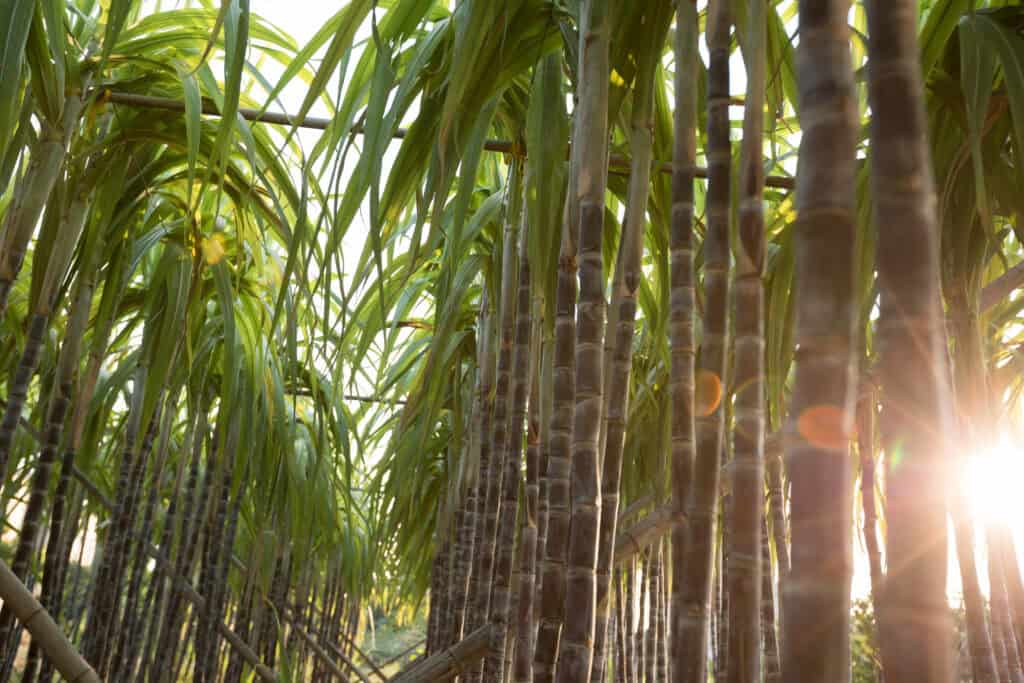
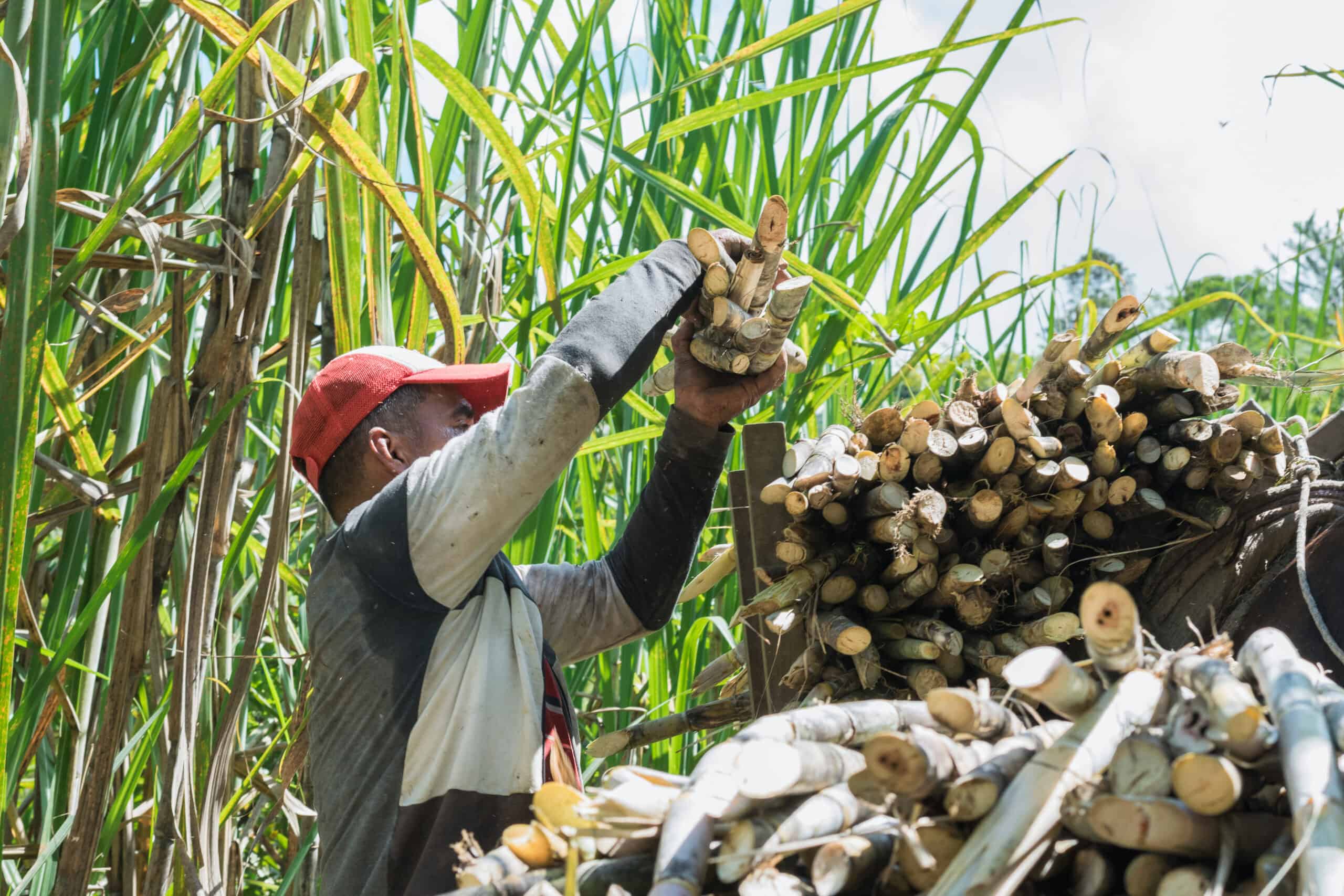
Sugarcane is a tropical grass native to Asia, now cultivated worldwide. Its juice is extracted from crushed stalks. Sugarcane juice is rich in sucrose, which is easily fermentable. This makes it an ideal base for distillation.
Fermentation Process
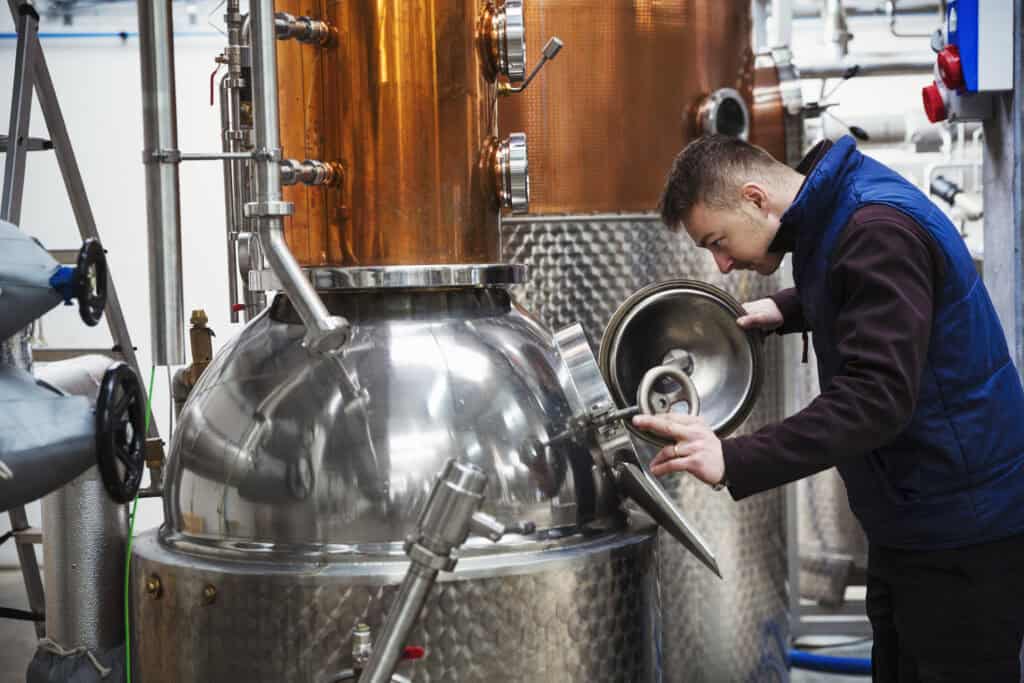
Fermentation is the first critical step in vodka production. Yeast is added to the sugarcane juice to convert sugars into ethanol and carbon dioxide. The efficiency of this process is enhanced by the high sugar content of sugarcane juice. This results in a rapid and effective fermentation phase. Sugarcane juice is readily fermentable once extracted from the stalks and does not require chemical emulsification to breakdown complex sugars embedded in starch-based products like corn, potatoes and wheat.
1. Breakdown of Raw Materials
- Pectin Decomposition: Methanol is primarily produced from the breakdown of pectins, which are naturally occurring substances in many fruits and some other plants, though less so in grains. In vodka production using grains or potatoes, methanol can be produced when pectin is broken down by enzymes or yeasts. Grains contain less pectin than fruits, but small amounts of methanol can still be produced.
- Fatty Acid Metabolism: Acetone and other ketones are byproducts of the breakdown of fatty acids in the fermentation medium. Yeast cells metabolize fatty acids, which can lead to the production of acetone under specific conditions, particularly when the fermentation environment changes in ways that stress the yeast, such as low nutrient levels or high concentrations of ethanol.
2. Yeast Metabolism
- Ethanol and Byproducts: The primary goal of yeast metabolism in vodka production is to convert sugars into ethanol and carbon dioxide. However, yeasts also produce other compounds as part of their normal metabolic processes. These include higher alcohols (fusel oils), esters, and, as mentioned, small amounts of methanol and ketones like acetone.
- Anaerobic Respiration: Under the anaerobic (oxygen-free) conditions of fermentation, yeasts primarily produce ethanol. However, the complex biochemical pathways involved also lead to side reactions, which produce other alcohols and volatile compounds. The exact composition of these byproducts can vary based on the yeast strain, the composition of the fermentation mash, and the fermentation conditions (temperature, pH, nutrient availability).
Distillation Techniques
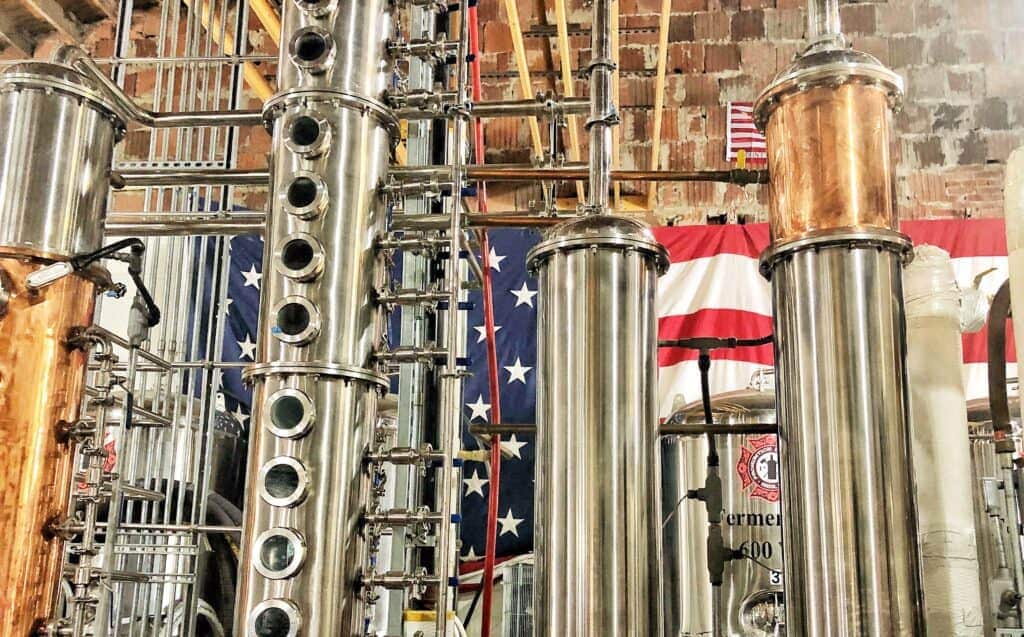
Post-fermentation, the liquid undergoes distillation. This process is crucial for enhancing purity and flavor. Sugarcane-based vodka typically requires fewer distillation steps. This is due to the high purity of the initial fermented product.
The Column Still
The distillation process in a column still, also known as a continuous still, involves separating the components of a liquid mixture based on their boiling points through a continuous and efficient method. Here’s a simplified explanation of how it works:
- Feeding the Wash: The liquid mixture to be distilled, often called the “wash” (which contains alcohol, water, and other substances from fermentation), is fed into the top of the column.
- Heating: The bottom of the column is heated. This heat causes the alcohol and other components with lower boiling points to vaporize (turn into gas), while components with higher boiling points remain liquid.
- Rising Vapor and Cooling Liquid: As the vapor rises through the column, it encounters a series of plates or trays. These trays have openings that allow vapor to pass through but are structured to hold liquid. The rising hot vapor warms the descending liquid, which helps separate the components based on their volatility (ease of vaporization). They are also made from copper which bonds with the sulfur elements in the liquid, cleansing it of undesirable elements.
- Condensation and Re-Vaporization: The trays help in condensing heavier components back into liquid (which return to the bottom of the column) while allowing lighter vapors to continue rising. This process of vaporizing, rising, condensing, and re-vaporizing across multiple trays enhances the purity of the alcohol vapor by stripping away water and other impurities.
- Collection of Distillate: At the top of the column, the purified alcohol vapor is cooled in a condenser. This turns the vapor back into liquid form, now with a much higher alcohol concentration than the original wash.
- Continuous Operation: Unlike batch distillation, where the process is stopped to remove the distilled liquid and refill the still, a column still operates continuously. Fresh wash is constantly fed in, and the distilled spirits are continually extracted along with the waste or less volatile components that are removed from the bottom.
This continuous flow in a column still makes it highly efficient and particularly suitable for large-scale production of spirits like vodka, where consistency and output rate are key factors.
Role of Natural Sugars
Sucrose, fructose, and glucose are the primary sugars in sugarcane juice. These sugars are naturally sweet and ferment cleanly, contributing to the smoothness of the vodka. They allow the production of a spirit that is both smooth and rich in flavor without additives.
Filtration and Its Importance
Filtration follows distillation, removing any remaining impurities. The inherent purity of sugarcane juice often makes extensive filtration unnecessary. However, some producers use activated charcoal or other filtering materials to ensure a crystal-clear vodka. However, there are various methods and material grades of carbon or charcoal. Most distilleries use low-grade granulated carbon over and over. It’s cheap and it’s easy to use. However, just like your home water filter, granulated charcoal filters are not very efficient and require replacement often. Filtration also affects texture because vodka filtration and smoothness depend on carbon contact, filter quality, and proofing precision.
While distillation is a science, the art of crafting spirits is in the filtration. We won’t disclose our secret, but rest assured that we have done extensive research to optimize our filtration system for filtering our spirits made from sugarcane.
Environmental Impact of Organic Sugarcane Cultivation
Organic farming practices are used to grow sugarcane for vodka. These practices avoid synthetic pesticides and fertilizers, promoting biodiversity and reducing environmental impact. The sustainability of organic farming appeals to eco-conscious consumers.
Consumer Perception and Market Trends
Consumers increasingly prefer organic and sustainably-produced spirits. Vodka made from organic sugarcane juice meets these demands. It offers a smoother taste profile, which is highly valued.
Comparative Analysis with Grain and Potato Vodka
While grain and potato vodkas are the norm, sugarcane vodka stands out for its smoothness. The natural sugars in sugarcane ferment more cleanly than the starches in grains and potatoes. This often results in a smoother final product.
Regulatory and Certification Challenges
The production of organic vodka is tightly regulated. Beginning in March 2024, new traceability rules were implemented to strengthen the integrity of Organic Certification. USDA Organic Certifications are necessary to label vodka as organic. These ensure compliance with organic farming, supply-chain sourcing and production standards.
The Future of Sugarcane Vodka
The trend towards organic, sustainable spirits suggests a bright future for sugarcane vodka. Its unique properties and smoother profile position it well within the craft spirits market.
Frequently Asked Questions About Sugarcane Vodka
Why is sugarcane vodka smoother?
Sugarcane vodka can taste smoother because sugarcane contains simple fermentable sugars. Therefore, yeast can convert those sugars into alcohol without starch conversion. This simpler process may create a cleaner base spirit. However, distillation skill and filtration still influence the final texture.
Is sugarcane vodka gluten-free?
Sugarcane vodka comes from a naturally gluten-free agricultural source. Therefore, it does not rely on wheat, barley, or rye. However, consumers with gluten sensitivity should still review labels and producer statements. Additionally, certification details may help verify sourcing and handling practices.
Is sugarcane vodka sweeter than grain vodka?
Sugarcane vodka does not necessarily taste sweet after distillation. Distillation removes most sugar from the finished spirit. However, sugarcane vodka may create a softer and rounder impression. As a result, some consumers perceive a gentle sweetness.
Is organic sugarcane vodka different from regular sugarcane vodka?
Organic sugarcane vodka follows organic sourcing and handling requirements. Regular sugarcane vodka does not always follow those standards. Therefore, organic certification can provide stronger sourcing assurance. Additionally, certified organic production limits many artificial inputs.
Does smoother vodka mean fewer additives?
Smoother vodka does not always mean fewer additives. Some producers may use sweeteners or softening agents to shape texture. Therefore, consumers should look beyond taste alone. Instead, they should review ingredient claims, certification details, and producer transparency.
How to Verify a Sugarcane Vodka Claim
Consumers can verify a sugarcane vodka claim by checking the label, producer website, and certification details. First, they should confirm the base ingredient. Then, they should review whether the vodka carries organic certification. Finally, they should look for clear additive-free statements.
Step-by-Step Verification Checklist
- Look for sugarcane, sugarcane juice, cane sugar, or molasses on the label.
- Check whether the vodka identifies itself as certified organic.
- Review the producer’s additive-free statements.
- Look for lab results, transparency documents, or production explanations.
- Compare the producer’s claims with the bottle, website, and retailer description.
What Consumers Should Watch For
Some vodka labels use broad smoothness claims without explaining production. Therefore, consumers should look for specific evidence. A credible producer should explain the base ingredient, distillation approach, and filtration process. Additionally, organic certification can help separate verified sourcing from ordinary marketing language.
Why Organic Certification Matters
Organic certification matters because it adds third-party oversight. The certification process reviews sourcing, handling, documentation, and production controls. Therefore, consumers receive more than a brand promise. They receive a documented standard that supports transparency.
However, organic certification does not automatically make every vodka smoother. Distillation technique, filtration design, and blending decisions still matter. Even so, certification can strengthen trust when consumers compare clean vodka claims.
Why Felene Uses Organic Sugarcane
Felene Vodka uses organic sugarcane because it provides a clean fermentation foundation. Simple sugar fermentation gives the distiller a more direct starting point. Additionally, organic sourcing supports transparency from raw material to finished bottle.
Felene also avoids added sugar, citric acid, glycerin, and artificial softening agents. Therefore, the finished vodka reflects production choices rather than cosmetic adjustments. For consumers, that distinction matters when comparing smooth vodka claims.
Final Takeaway: Why Sugarcane Vodka Can Taste Smoother
Sugarcane vodka can taste smoother when producers manage fermentation, distillation, and filtration carefully. Its simple sugars give yeast a cleaner starting point. Therefore, the distiller can focus on preserving texture while removing harshness.
Organic sugarcane adds another layer of trust. It supports cleaner sourcing, clearer documentation, and stronger consumer confidence. As a result, sugarcane vodka offers more than a different raw material. It offers a production pathway that can support a softer, cleaner vodka profile.
Felene Vodka follows this approach through organic sugarcane sourcing and additive-free production. Additionally, its filtration process supports a smooth finish without masking agents. Therefore, Felene represents a practical example of why sugarcane vodka deserves serious attention.