Technology for Small Liquor Stores Is the Great Equalizer
The U.S. liquor store industry generates over $70 billion annually. Small independent operators often feel outmatched by large grocery chains and national retailers. These competitors leverage advanced tools to manage costs and attract customers. Fortunately, modern and affordable technology for small liquor stores now levels the playing field.
By embracing digital tools, smaller retailers can improve efficiency, increase customer loyalty, and protect profit margins. The following ten strategies highlight the most effective ways to apply technology for small liquor stores with real-world results.
1. Advanced POS Systems With Analytics
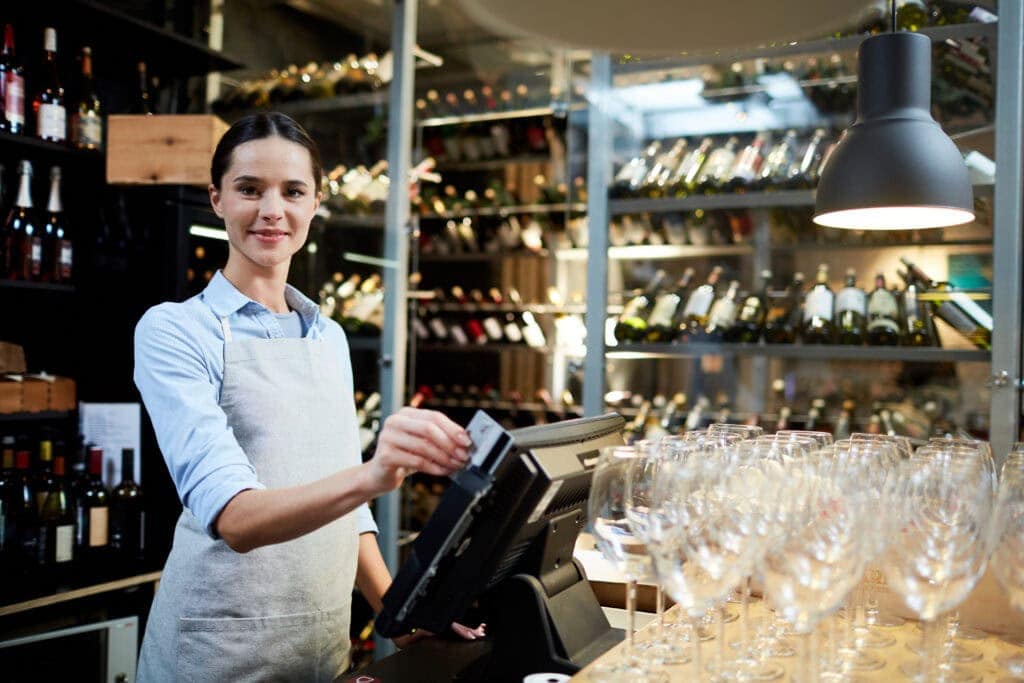
Today’s point-of-sale systems do far more than process transactions. Platforms like Square for Retail or Bottle POS deliver real-time sales tracking, margin insights, and customer data. A store might learn, for example, that flavored vodka sales spike on Fridays. That knowledge allows owners to adjust displays and promotions for maximum impact.
POS systems also simplify compliance and tax reporting, saving time and avoiding costly errors.
2. Inventory Management Automation
Manual inventory counting is inefficient and prone to mistakes. Cloud-based inventory software uses barcode scanning, automated alerts, and mobile tracking to eliminate errors. These tools prevent stockouts of bestsellers while avoiding cash flow tied up in slow movers.
A Denver liquor store reduced stockouts by 30% in six months after adopting automated inventory tracking.
3. Digital Shelf Tags and Planograms
Paper shelf tags are slow to update and error-prone. Digital shelf tags let stores update prices instantly across dozens of SKUs. Large retailers like Dan Murphy’s have used this technology to save labor and boost sales conversions by up to 30%.
Planogram software also helps smaller stores design shelf layouts proven to increase sales velocity and category performance.
4. CRM and Loyalty Program Technologies
Customer relationship management systems track purchase history and allow personalized marketing campaigns. For example, if a customer regularly buys craft gin, the CRM can send them a promotion for a new release.
Bottle POS and other platforms make it easy to launch loyalty rewards programs, increasing repeat visits and average basket size.
5. E-Commerce and Delivery Integration
Modern consumers expect convenience. Platforms like Drizly or integrated e-commerce portals allow liquor stores to expand beyond walk-in traffic. Adding delivery can double weekend sales, as demonstrated by one Brooklyn shop that reached new customers within a three-mile radius.
For smaller operators, e-commerce is no longer optional—it’s a growth necessity.
6. Digital Marketing and Social Media Tools
Social media campaigns remain one of the most cost-effective marketing tools available. Scheduling platforms like Hootsuite or Buffer automate posts while targeted ads reach customers by ZIP code.
Even modest budgets under $50 can generate measurable increases in store traffic. Limited-time offers promoted online often drive immediate sales.
7. Data-Driven Pricing Software
Pricing based on guesswork can reduce profitability. Dynamic pricing software uses competitor pricing, demand trends, and sales history to inform decisions. Large chains like Coles have tested AI pricing tools that adjust inventory to match demand during major events.
Independent stores can apply these tools on a smaller scale, ensuring competitive pricing while protecting margins.
8. Smart Security and Loss Prevention Systems
Shrinkage is a major drain on profits. AI-powered cameras and RFID tagging reduce theft by identifying suspicious behavior in real time. Reports show some retailers cut shrinkage by nearly 60% using AI surveillance.
For small liquor store owners, smart security technology is both a protective measure and a margin enhancer.
9. Staff Training Through Digital Platforms
Employees drive both compliance and customer experience. Digital training platforms provide modules on upselling, product knowledge, and responsible alcohol sales.
A well-trained cashier who suggests cocktail pairings can turn a single bottle purchase into a full basket with mixers and garnishes. Training technology pays for itself through better sales and stronger customer relationships.
10. Business Intelligence Dashboards
Business intelligence dashboards consolidate POS, inventory, and expense data into one simple interface. Owners can see daily gross margins, identify bestsellers, and adjust ordering with confidence.
Instead of juggling spreadsheets, operators gain a clear snapshot of their business—making decision-making faster and more profitable.
Final Thoughts
Independent liquor store owners face significant challenges. Yet, technology for small liquor stores now makes advanced tools affordable and practical. From AI-powered security and digital shelf tags to e-commerce platforms and BI dashboards, small stores can finally match the sophistication of big retailers.
By adopting even a few of these solutions, owners can boost sales, increase margins, and build long-term customer loyalty.
Partner With Felene for Marketing and SEO Success
At Felene, our expertise extends far beyond distilling award-winning organic vodka. We have also become a leading consultant for liquor store owners nationwide. Our team combines industry knowledge with proven digital marketing strategies to deliver measurable results.
Kim Veiga, President of Felene Inc., has personally consulted with over 1,000 on- and off-premise accounts across the U.S. Her experience provides unmatched insight into the challenges and opportunities facing independent operators.
From SEO optimization to e-commerce integration and digital loyalty programs, Felene delivers the tools and strategies that small liquor stores need to compete and thrive.
Ready to boost sales and margins with technology? Connect with the Felene team today and discover why we are recognized as a trusted SEO and marketing consultant for liquor stores nationwide.