The Actual Cost to Make a Bottle of Vodka Can Vary Greatly By Quality
Understanding the costs involved in making a bottle of vodka provides consumers with a deeper appreciation for the product. Numerous factors contribute to the overall cost. From state and federal excise taxes to production and packaging, each element plays a crucial role.
Different Designations of Vodka Quality
Understanding the different designations of vodka quality can help consumers make informed choices. Vodka is often categorized based on its ingredients, purity, smoothness, and production methods. These designations reflect the quality and characteristics of the vodka.
Vodka production costs can vary from about $5 a bottle on the low end, to $15-$17 on the high end for ultra-premium vodka. However, it’s important to note that the retail price of a bottle of vodka does not always give an accurate indication of vodka quality. Recently, celebrity-endorsed vodkas can be as high as $30 a bottle without corresponding quality to justify the high price. As a rule of thumb, it’s almost always best to skip the celebrity-endorsed spirits as they simply add a premium to the price without adding value or quality to the product. There are very few exceptions to this, period.
Unfortunately, there are a few other deceptive (or misleading) marketing practices in vodka packaging. The most egregious of these marketing gimmicks is the “X Times Distilled” Claim. Multiple distillations does not mean what most people think and multiple distillations does not mean better quality. In fact, vodka that requires repeated distillations should raise a red flag because it’s likely a sign of poor quality ingredients to start. It’s best to ignore this number, unless it seems ridiculously high (more than 5 times distilled), then you may wish to avoid it altogether in that case.
Standard Vodka
Standard vodka is the most basic category. It is typically distilled from mass-produced corn, grains or potatoes and undergoes minimal filtration. This type of vodka may have a stronger acetone flavor profile and more impurities compared to higher-quality vodkas. It is often used in mixed drinks where the flavor of the vodka is not the primary focus and often is packaged in plastic bottles.
Premium Vodka
Premium vodka represents a step up in quality. It is distilled multiple times to remove impurities, resulting in a smoother taste. Premium vodkas often use higher-quality raw materials and more refined production methods. They are usually filtered through charcoal or other materials to enhance purity. This type of vodka is suitable for cocktails and can also be enjoyed neat.
Super-Premium Vodka
Super-premium vodka is known for its exceptional purity and smoothness. It is distilled and filtered numerous times, often using proprietary methods. The raw materials used are of the highest quality, such as organically grown grains or fruits. Super-premium vodkas have a clean, crisp taste with minimal impurities. They are ideal for sipping and are often featured in high-end cocktails.
Ultra-Premium Vodka
Ultra-premium vodka is the pinnacle of vodka quality. It undergoes precise distillation and filtration processes to achieve unmatched purity. The raw materials are carefully selected, and production methods are meticulously controlled. Ultra-premium vodkas are often produced in small batches to maintain consistency and quality. They have a velvety smooth texture and a refined taste, making them perfect for sipping neat or in the finest cocktails.
Organic Vodka
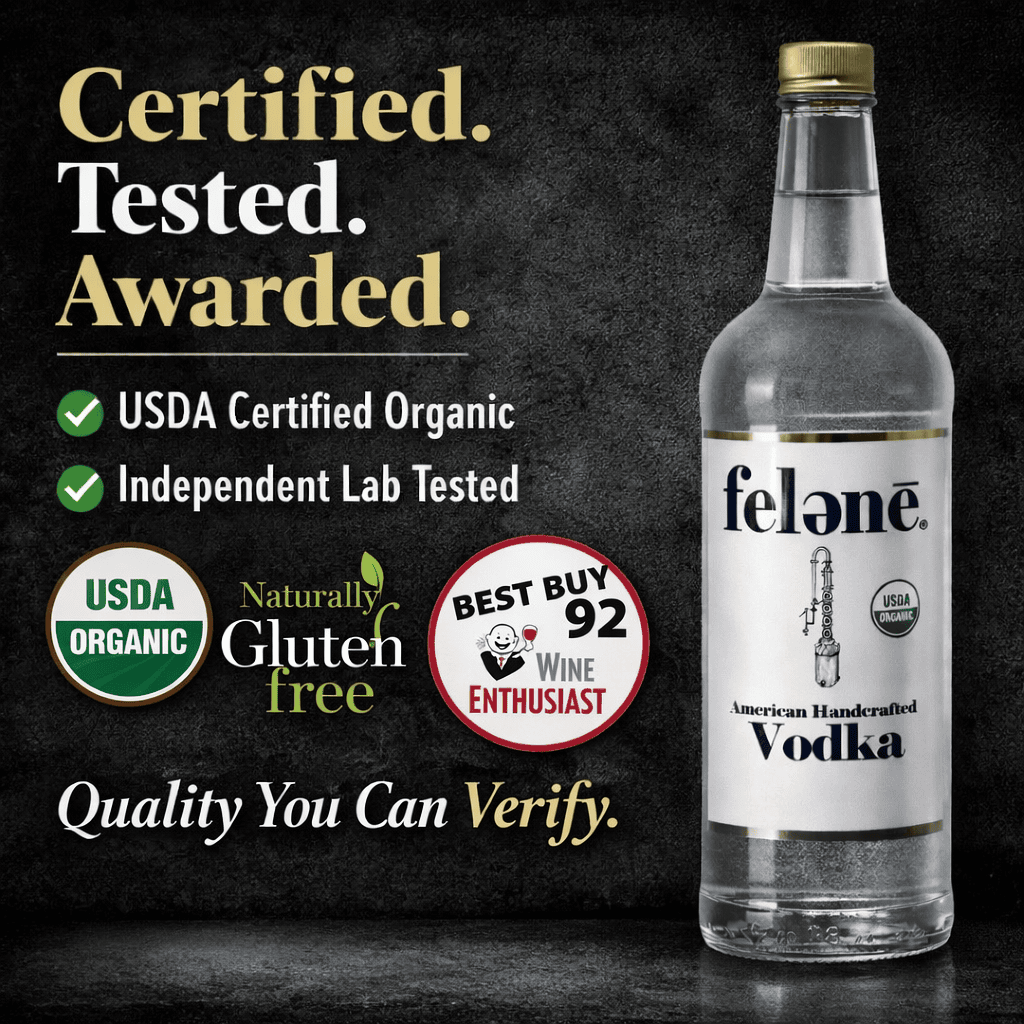
Organic vodka is made from organically grown ingredients and adheres to strict organic certification standards. It undergoes rigorous production processes to ensure no synthetic chemicals or pesticides are used. Organic vodkas are often crafted with a focus on sustainability and environmental responsibility. They can range from premium to ultra-premium quality, offering both purity and an eco-friendly choice for consumers. Organic vodkas are usually associated with the best-in-class products and are widely seen as the ultimate quality designation in the category.
Flavored Vodka
Flavored vodka includes natural or artificial flavors added during production. The quality of flavored vodka can vary based on the base vodka used and the flavoring process. Premium and super-premium flavored vodkas use high-quality base spirits and natural flavors. They offer a balanced taste that complements the vodka’s smoothness.
The Quality Designation Takeaway
In summary, vodka quality is designated by various categories, reflecting the production methods, purity, and raw materials used. From standard to ultra-premium, each designation offers different characteristics and uses. By understanding these designations, consumers can select the vodka that best suits their preferences and occasions.
Cost Inputs (Based on Ultra-Premium class vodka; 750ML Bottle)
State and Federal Excise Taxes
Firstly, excise taxes form a significant part of the cost. These taxes vary by state and federal regulations. Each bottle of vodka is taxed at both levels, contributing to the final price. Federal excise taxes are generally higher for distilled spirits than for other alcoholic beverages. States impose additional taxes, which can vary widely.
These taxes add approximately 90 cents; up to $1.50 in added cost to the price of a 750ML bottle of vodka.
Procuring and Producing the Spirits
Next, the cost of procuring raw materials must be considered. Organic sugarcane, used for Felene Vodka, is more expensive than other ingredients. The fermentation and distillation processes also incur significant costs. Specialized equipment and skilled labor are essential for producing high-quality vodka. Energy costs for running the distillery add to the expenses.
These costs generally run up to $2.50 per 750ml bottle.
Bottles, Labels, and Enclosures
Packaging is another crucial cost component. Bottles must be ordered in bulk, with each one contributing to the overall cost. Labels need to be designed, printed, and applied, which incurs additional expenses. Enclosures and seals ensure the product’s integrity and safety, adding to the cost. These components must be sourced from reliable suppliers, which involves shipping and handling costs.
These costs are approximately $2.50 per bottle
Transportation Costs
Transportation costs also play a vital role. Raw materials must be transported to the distillery. Finished products then need to be shipped to various distribution points. Fuel prices, logistics, and handling fees all contribute to these costs. Efficient supply chain management helps in minimizing these expenses.
Inbound and outbound shipping costs are approximately $1.50 per bottle.
Facilities and Labor Costs
Maintaining the distillery involves significant facilities costs. Rent or mortgage payments for the property, utility bills, and maintenance expenses must be factored in. Labor costs are substantial as well. Skilled workers are required for various stages of production. Salaries, benefits, and training expenses are part of the overall labor costs.
Approximately $2.00 per bottle.
Insurance and Regulatory Fees
Insurance is necessary to protect the business from potential risks. Policies cover equipment, inventory, and liability, among other things. Regulatory fees also add to the costs. Licenses and permits are required to operate a distillery. Compliance with health and safety regulations involves regular inspections and certifications.
Approximately 50 cents per bottle.
Organic Compliance
Organic compliance can add significant costs to a bottle of vodka. From using higher-quality ingredients to making modifications in handling, organic certification can add up to $2.00 per bottle in pure cost.
The Bottom Line on Costs
In conclusion, the costs associated with making a bottle of vodka are multifaceted. From raw material procurement to excise taxes, every aspect adds to the final price. For quality vodka the costs can exceed well over $10.00-$15.00 even before it leaves the distillery.
Understanding these costs provides a better appreciation of the effort and investment required to produce high-quality vodka. Therefore, the next time you enjoy a bottle of Felene Vodka, consider the extensive process and costs involved in bringing it to your table.