Everything You Wanted to Know About Herbs and Spices in Cocktails(originally published February 11, 2025)
Table of contents
What Herbs and Spices Bring to Cocktails
Herbs and spices transform ordinary drinks into layered, memorable cocktails. They contribute aroma, balance, and complexity by engaging senses beyond simple sweetness or bitterness. Mixologists use these botanical elements to deepen flavor and invite drinkers into richer experiences. When herb and spice techniques are understood, home bartenders can craft cocktails with nuance and confidence.
Below is your top ten list of the most popular herbs and spices in cocktails — followed by modern guidance for using them effectively.
RELATED ARTICLE: HOW TO USE HERBS AND BOTANICALS IN COCKTAIL RECIPES
Herbs vs. Spices: What’s the Difference?
While herbs and spices both enhance the flavor and aroma of cocktails, they originate from different parts of plants and serve distinct purposes in mixology. Understanding their differences can help mixologists create well-balanced drinks that highlight each ingredient’s unique characteristics.
What Are Herbs?
Herbs come from the green, leafy parts of plants, such as the leaves of mint, basil, and rosemary. They are typically fresh but can also be dried. Herbs are known for their bright, aromatic, and often slightly sweet or earthy flavors.
Key Characteristics of Herbs in Cocktails:
- Used fresh or muddled to release essential oils.
- Often paired with citrus, fruits, and floral spirits.
- Contribute to refreshing, herbal, and aromatic notes.
- Common examples: Mint, basil, rosemary, thyme, and lavender.
What Are Spices?
Spices are derived from other parts of plants, such as seeds, bark, roots, and dried buds. Unlike herbs, spices are usually dried and ground before use. They provide warmth, depth, and complexity, making them ideal for enhancing the richness of a cocktail.
Key Characteristics of Spices in Cocktails:
- Typically used in syrups, infused spirits, or as garnishes.
- Add warmth, spice, and complexity to drinks.
- Pair well with aged spirits, coffee, and creamy textures.
- Common examples: Cinnamon, cloves, star anise, cardamom, and ginger.
How Herbs and Spices Work Together in Cocktails
Herbs and spices complement each other when carefully balanced. For example, a rosemary and cinnamon-infused whiskey cocktail combines the fresh, piney aroma of rosemary with the warm spice of cinnamon, creating a layered and complex drink. By mastering their use, mixologists can craft cocktails that are both flavorful and aromatic, enhancing the overall drinking experience.
Practical How-To: Techniques for Herbs and Spices
Fresh vs. Dried — Know When to Use Each
- Fresh herbs release bright, aromatic oils and are best muddled or used as garnishes in cooler, citrus-forward drinks.
- Dried spices work well in syrups, steeps, and infused spirits where warming depth is desired.
Muddling
Use a gentle press to muddle herbs, releasing essential oils without bruising leaves to dust. This enhances aroma without bitterness.
Infusions and Syrups
- For herb-infused syrups, add fresh herbs to basic sugar syrup after heat and let steep briefly. Strain before use.
- For spice infusions, add dried spices to warm spirits or simple syrup and steep until aromatic intensity is desired.
Garnishes
A sprig or zest serves multiple sensory functions, including aroma, visual appeal, and flavor lift. Choose garnishes that complement both the base spirit and cocktail profile.
Balancing Flavors
Understanding how herbs and spices interact with sweet, sour, and bitter elements improves cocktails. For example, herbs often soften acidity, while spices can elevate warmth and depth.
1. Mint
Flavor Profile:
Mint provides a fresh, cooling effect that balances citrus, fruit, and sugar. It enhances both light and dark spirits, making it highly versatile.
Signature Cocktail: Mint Mojito
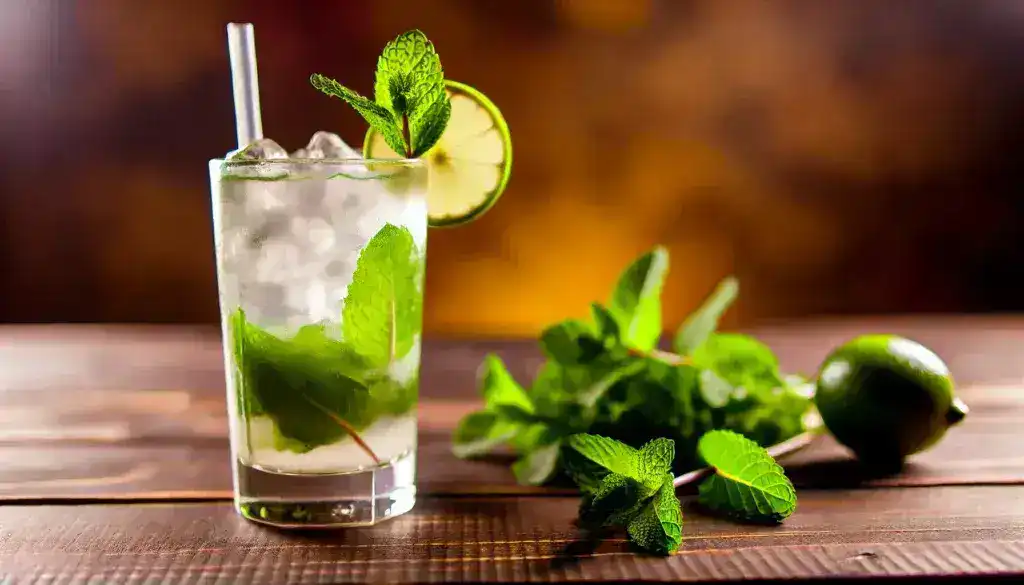
Because of the flavor profile of Felene organic sugarcane vodka, we are substituting Felene American Handcrafted for rum.
Ingredients:
- 2 oz Felene American Handcrafted Vodka
- 1 oz fresh lime juice
- ¾ oz simple syrup
- 8 fresh mint leaves
- Soda water
- Crushed ice
Instructions:
- Muddle mint leaves and simple syrup in a glass.
- Add lime juice and vodka, then fill with crushed ice.
- Stir gently and top with soda water.
- Garnish with a mint sprig.
2. Basil
Flavor Profile:
Basil introduces a slightly sweet, peppery note that pairs well with citrus and berry flavors. It works especially well in gin-based cocktails.
Signature Cocktail: Basil Gimlet

Ingredients:
- 2 oz American Handcrafted Vodka
- ¾ oz fresh lime juice
- ½ oz simple syrup
- 4 fresh basil leaves
Instructions:
- Muddle basil with lime juice and simple syrup in a shaker.
- Add gin and shake with ice.
- Strain into a chilled coupe glass.
- Garnish with a basil leaf.
3. Rosemary
Flavor Profile:
Rosemary has a piney, slightly bitter taste that complements citrus, berry, and smoky flavors. It adds depth to gin, tequila, and whiskey-based cocktails.
Signature Cocktail: Rosemary Blood Orange Vodka Fizz

Ingredients:
- 2 oz Felene Blood Orange flavored vodka
- ¾ oz fresh lemon juice
- ½ oz rosemary simple syrup
- 1 egg white
- Soda water
Instructions:
- Dry shake (without ice) all ingredients except soda water.
- Add ice and shake again.
- Strain into a highball glass and top with soda.
- Garnish with a rosemary sprig.
4. Thyme
Flavor Profile:
Thyme offers earthy, slightly minty notes that enhance citrus, honey, and smoky spirits like tequila and mezcal.
Signature Cocktail: Thyme Tequila Smash

Ingredients:
- 2 oz tequila
- ¾ oz fresh lemon juice
- ½ oz honey syrup
- 4 sprigs of fresh thyme
Instructions:
- Muddle thyme and honey syrup in a shaker.
- Add tequila, lemon juice, and ice, then shake well.
- Strain into a rocks glass over ice.
- Garnish with a thyme sprig.
5. Lavender
Flavor Profile:
Lavender has floral and slightly sweet undertones that balance well with citrus, honey, and gin-based cocktails.
Signature Cocktail: Lavender Collins

Ingredients:
- 2 oz Felene American Handcrafted Vodka
- ¾ oz fresh lemon juice
- ½ oz lavender syrup
- Soda water
Instructions:
- Shake vodka, lemon juice, and lavender syrup with ice.
- Strain into a Collins glass over fresh ice.
- Top with soda water and stir.
- Garnish with a lavender sprig and wedges of lemons and limes.
6. Cinnamon
Flavor Profile:
Cinnamon provides warmth and spice, enhancing the depth of cocktails and balancing citrus or sweet flavors.
Signature Cocktail: Cinnamon Old Fashioned

Ingredients:
- 2 oz bourbon
- ¼ oz cinnamon simple syrup
- 2 dashes Angostura bitters
- Orange peel
Instructions:
- Stir bourbon, cinnamon syrup, and bitters over ice.
- Strain into a rocks glass with a large ice cube.
- Express orange peel over the drink and drop it in.
7. Clove
Flavor Profile:
Clove adds warm, slightly sweet, and pungent notes, working well in whiskey, rum, and citrus-based cocktails.
Signature Cocktail: Clove Hot Toddy

Ingredients:
- 2 oz whiskey
- ¾ oz honey
- ½ oz fresh lemon juice
- 3 cloves
- 6 oz hot water
Instructions:
- Add cloves, honey, and lemon juice to a mug.
- Pour in hot water and stir.
- Add whiskey and stir again.
- Garnish with a lemon slice studded with cloves.
8. Star Anise
Flavor Profile:
Star anise has a strong licorice-like taste that pairs well with warm spices, citrus, and whiskey or gin cocktails.
Signature Cocktail: Star Anise Negroni

Ingredients:
- 1 oz gin
- 1 oz Campari
- 1 oz sweet vermouth
- 1 star anise pod
Instructions:
- Stir all ingredients with ice in a mixing glass.
- Strain into a rocks glass over a large ice cube.
- Garnish with a star anise pod.
9. Cardamom
Flavor Profile:
Cardamom has a citrusy, slightly spicy aroma that complements coffee, honey, and rum or whiskey-based cocktails.
Signature Cocktail: Cardamom Espresso Martini

Ingredients:
- 2 oz vodka
- 1 oz espresso
- ¾ oz coffee liqueur
- ¼ oz cardamom syrup
Instructions:
- Shake all ingredients with ice.
- Strain into a chilled coupe glass.
- Garnish with three coffee beans.
10. Ginger
Flavor Profile:
Ginger is spicy, slightly sweet, and warming, providing contrast and balance in whiskey, rum, or vodka cocktails.
Signature Cocktail: Moscow Mule

Ingredients:
- 2 oz Felene American Handcrafted vodka
- ¾ oz fresh lime juice
- 4 oz ginger beer
- Ice
Instructions:
- Fill a copper mug with ice.
- Add vodka and lime juice.
- Top with ginger beer and stir.
- Garnish with a lime wedge.
The Takeaway on Herbs and Spices in Cocktails
Herbs and spices are essential tools for both cocktail creatives and at-home mixologists. When correctly implemented — through muddling, infusion, or garnish — they draw out nuanced flavor, elevate aroma, and enhance drink balance. With practice and attention to technique, you can harness herbs and spices as foundational elements in cocktails, not just accents.
Frequently Asked Questions About Using Herbs and Spices in Cocktails
Fresh herbs are best used through gentle muddling or as aromatic garnishes.
Excessive force should be avoided, as bitterness can be released.
Herbs are typically muddled to release essential oils.
However, delicate herbs may be lightly shaken to preserve brightness.
Dried spices are better suited for syrups, infusions, and warm flavor profiles.
Their intensity develops gradually and remains more stabl
Most herb infusions reach balance within 12 to 48 hours.
Spice infusions may require shorter tasting intervals to avoid overpowering results.
Vodka works exceptionally well due to its neutral flavor profile.
Botanical elements are allowed to remain clear and expressive.
Yes, but combinations should be restrained and intentional.
One herb and one spice usually provide sufficient complexity.
Over-muddling and prolonged steeping should be avoided.
Leaves should be pressed gently, not pulverized.
Herbs contribute significantly to aroma, especially as garnishes.
Aromatic perception often shapes flavor expectations before tasting.
Using herbs as garnishes is the simplest method.
A light clap releases aroma without altering balance.
Yes, herbs can soften acidity, while spices enhance perceived warmth.
Sweetness adjustments are often required for balance.