GLP-1 and Alcohol: How Drinking Experiences Are Changing in Real Life
In this Article
- Why GLP-1 and Alcohol Interact Differently
- Dopamine, Reward, and the Missing “Buzz”
- Sugar as a Force Multiplier With GLP-1 and Alcohol
- Why Low-Sugar Drinks Feel Better on GLP-1
- Smart Drink Choices: Where Felene Vodka Fits
- Hydration, Pace, and Practical Safeguards
- What GLP-1 Drug Makers Say About Alcohol Use
- GLP-1 and Alcohol Reflect a Cultural Shift
- Practical Takeaway
GLP-1 and alcohol now come up often during our nationwide tasting events. As spirits professionals, the Felene team has led hundreds of tastings. During these events, we have spoken with thousands of consumers. More often, guests raise GLP-1 and alcohol before the first sip.
Many guests openly share their use of GLP-1 medications. Others explain that alcohol now feels different. Enjoyment often drops while side effects increase. Guests frequently point to sweet drinks as the main problem.
Clear patterns have emerged from these conversations. People finish lower-sugar drinks more often. Guests describe cleaner profiles as “feeling better.” These insights come directly from experience, not theory.
Why GLP-1 and Alcohol Interact Differently
GLP-1 medications slow gastric emptying. As a result, alcohol stays in the stomach longer. Absorption becomes uneven and delayed. Effects can feel stronger and harder to predict.
GLP-1 therapies also change blood sugar regulation. Alcohol already disrupts glucose balance. Together, they increase nausea and fatigue. Drink composition therefore matters more.
This interaction stems from physiology, not behavior. However, smarter choices influence outcomes. What people drink matters more than how much. This reality continues to reshape drinking habits.
RELATED: TOP LOW SUGAR, NO SUGAR DRINKS
Dopamine, Reward, and the Missing “Buzz”
GLP-1 medications reduce dopamine signaling in the brain. Alcohol relies on dopamine to create euphoria. As a result, the familiar “buzz” often feels weaker. At the same time, physical side effects remain.
This creates a clear mismatch. Pleasure fades while discomfort persists. Dissatisfaction arrives sooner. Many consumers respond by drinking less or switching styles.
This shift does not reflect abstinence. Instead, it reflects refinement. People still value social drinking. They simply want alcohol to feel worth the effort.
Sugar as a Force Multiplier With GLP-1 and Alcohol
Sugar intensifies negative effects when combined with GLP-1 and alcohol. Rapid glucose spikes worsen nausea and dizziness. Sweet drinks also increase bloating and stomach discomfort. Sweetness can also hide alcohol strength.
As a result, people may drink too quickly. Side effects often appear suddenly. Reducing sugar offers a practical solution. Comfort and control improve right away.
This explains why many classic cocktails now fall short. They were never designed for altered metabolism. Consumers are adapting quickly. Low-sugar drinks now win by default.
Why Low-Sugar Drinks Feel Better on GLP-1
Low-sugar drinks limit swings in blood sugar. They also reduce digestive strain from slower stomach emptying. Flavors stay clean and clear. Each sip feels more deliberate.
Low-sugar drinks also match reduced reward sensitivity. They highlight aroma, texture, and balance. People feel satisfied without excess intake. Quality replaces quantity.
This shift favors simplicity. Complex builds lose appeal fast. Simple drinks feel more predictable. Predictability brings comfort.
Smart Drink Choices: Where Felene Vodka Fits
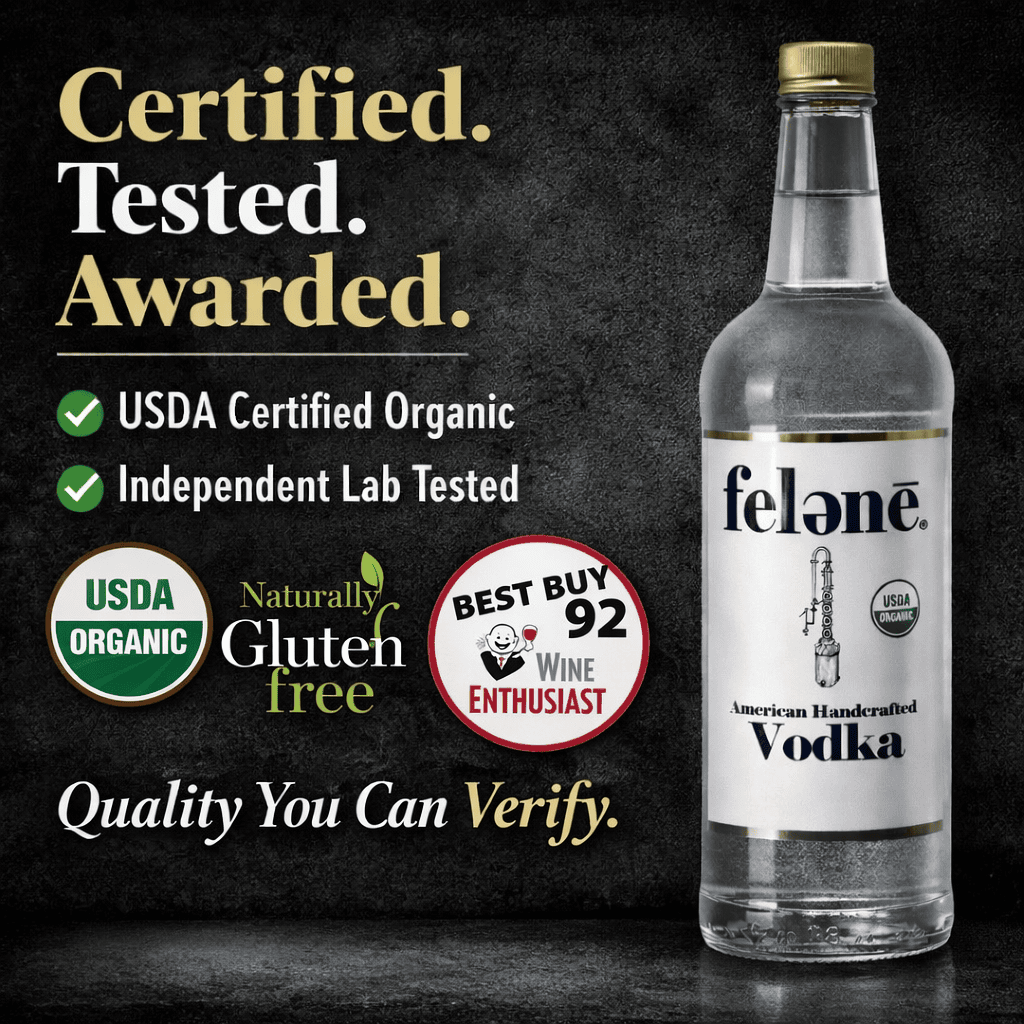
Felene Vodka was created with purity as a core goal. It contains zero sugar and zero additives. It is made from organic sugarcane. Nothing is added to mask flavor.
Because of this, Felene pairs well with GLP-1 and alcohol. It contains no hidden sugars or softeners. The profile stays clean and neutral. The formula avoids compounding side effects.
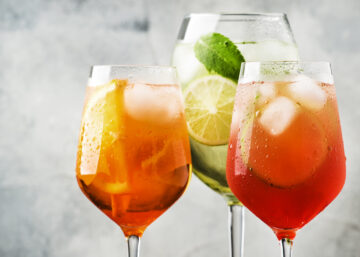
When mixed with soda water and fresh citrus, the drink stays balanced. It remains refreshing without added sweetness. Aroma replaces sugar as the flavor driver. The result feels lighter and easier.
This approach supports smarter drinking. It focuses on how alcohol feels, not only taste. That distinction matters for GLP-1 users. Comfort becomes the deciding factor.
Hydration, Pace, and Practical Safeguards
Hydration plays a larger role with GLP-1 and alcohol. Slower digestion increases dehydration risk. People should drink water consistently. Pacing also matters.
Many people prefer smaller pours. Longer breaks improve predictability. Social enjoyment improves as a result. Disruptive side effects occur less often.
These habits form quickly. GLP-1 users learn limits faster. Low-sugar drinks support that process. They reduce trial-and-error discomfort.
What GLP-1 Drug Makers Say About Alcohol Use
GLP-1 drug makers do not ban alcohol use. However, labels highlight risks that matter more when alcohol is involved. These warnings focus on digestion, hydration, and blood sugar control.
Manufacturers warn about nausea, vomiting, and diarrhea. Alcohol can worsen each symptom. Dehydration risk rises as a result. This concern appears consistently across labels.
Labels also warn about kidney injury tied to fluid loss. Alcohol increases fluid loss on its own. Combined use may raise risk further. Hydration therefore receives strong emphasis.
GLP-1 labels also include pancreatitis warnings. Alcohol increases pancreatitis risk independently. Labels do not prohibit alcohol. Instead, they stress caution and symptom awareness.
For reference, official guidance can be reviewed directly:
- FDA prescribing information for Ozempic
- Eli Lilly medical information on tirzepatide
- FDA guidance on dehydration and kidney risk
Overall, labels stress moderation and self-awareness. They support informed choices, not avoidance. Smart drink selection fits within this guidance. Hydration remains the top safeguard.
GLP-1 and Alcohol Reflect a Cultural Shift
Industry coverage shows changing drinking values. GLP-1 adoption speeds up this shift. Consumers now value clarity and control. Heavy intoxication feels outdated.
Moderation no longer signals sacrifice. Instead, it signals optimization. Better ingredients create better outcomes. Low-sugar drinks match this mindset.
This shift rewards transparency. Consumers read labels more closely. Ingredients influence trust. Experience builds loyalty.
Practical Takeaway
GLP-1 and alcohol can coexist with thoughtful choices. Low-sugar drinks reduce side effects and improve enjoyment. Clean spirits and simple builds perform best. Felene Vodka fits naturally within this approach.
Smarter composition replaces excess consumption. Balance becomes the new standard. The experience improves by design. That is the future of drinking.
A Note on Health and Medical Guidance
This article is intended for informational purposes only and reflects industry experience and publicly available guidance. It is not intended as medical advice. Individual responses to GLP-1 medications and alcohol vary. Readers should consult a qualified healthcare provider for personalized guidance, especially when other conditions or medications are involved. Responsible and informed decision-making is encouraged.