Affordable cocktails are trending because drinkers still want quality, but they are watching value more closely. In 2026, the winning cocktail is not the cheapest drink. Instead, it is the one that feels well-made, familiar, and worth the money or effort. Recent market reporting shows that consumers are balancing premium expectations with tighter budgets, while bars are responding with smarter prep, simpler menus, and clearer value.
That shift matters for home entertaining too. Affordable cocktails are no longer about cutting corners. Rather, they are about building drinks that taste polished without becoming expensive, fussy, or wasteful. For Club Felene readers, that is good news. Vodka remains one of the easiest spirits to use in this format because it batches well, pairs with many mixers, and supports clean, recognizable recipes.
Affordable Cocktails Do Not Mean Cheap Cocktails

The phrase “affordable cocktails” can sound like a race to the bottom. However, that is not what is happening in the market. Consumers still care about quality ingredients, balance, and consistency. NielsenIQ reported that 41% of cocktail consumers mostly drink premium, high-quality cocktails, while another 34% mix premium and value options. That means value is being judged more carefully, not abandoned entirely.
Bars are adapting accordingly. Eater’s recent profile of Chicago’s Radicle showed that most cocktails are priced at $10. Yet the program was built on disciplined costing, in-house prep, preservation, and minor pour-cost adjustments rather than lower standards. The result was an affordable cocktail list that still encouraged guest experimentation and engagement.
That is the real lesson. Affordable cocktails work best when they feel intentional. Guests still want craft. They simply want it presented with more restraint and more honesty.
My Top 10 Affordable Cocktails and Why They Make the List
When I think about affordable cocktails, I do not think about cutting corners. I think about drinks that deliver real enjoyment without unnecessary cost, waste, or complication. That matters more now because people are paying closer attention to value. At the same time, they still want a cocktail to feel like a treat. Recent industry reporting supports that balance. Consumers are mixing value and quality rather than simply chasing the cheapest option, while simpler and spritz-style drinks continue to gain momentum.
From my perspective, the best affordable cocktails share a few traits. They are easy to understand, inexpensive to execute, and satisfying enough that nobody feels like they settled. They also work in real life. That means they fit a dinner with friends, a backyard gathering, or a casual night at home.
Here are the ten cocktails I would put at the top of the list.
1. Vodka Soda with Citrus

This is one of my favorite examples of an affordable cocktail done right. It is simple, clean, and surprisingly versatile. A good vodka soda with fresh citrus feels crisp and intentional. It does not need much to work. That is part of the appeal.
I like this drink because it respects the spirit. It also fits the current preference for transparency and lighter drinking. More bars are even listing ABV on menus now, which tells me people want drinks that feel straightforward and easy to navigate.
Why it makes the list: it is low-cost, low-waste, and always relevant.
2. Vodka Lemonade

Vodka lemonade earns a spot because it is friendly, familiar, and easy to make for a group. I also think it has more room for variation than people realize. Fresh lemonade, sparkling lemonade, herbs, or berries can all change the tone without making the drink expensive.
For younger drinkers especially, this is the kind of cocktail that makes sense. It feels social and enjoyable, but it does not require a big spend.
Why it makes the list: it is approachable, batchable, and easy on the budget.
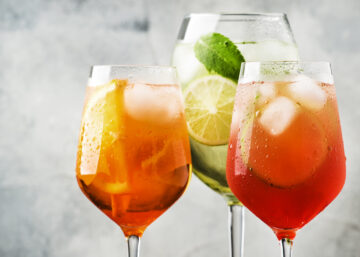
3. Vodka Spritz

The vodka spritz feels very current to me. Spritzes have been gaining real traction, and for good reason. They are refreshing, visually appealing, and easy to adapt to season or occasion. NIQ has reported that spritz demand continues to expand in hospitality, which lines up with what many of us are seeing more broadly in cocktail culture.
What I like most is that a spritz can feel elevated without being expensive. That is a very useful combination right now.
Why it makes the list: it is trend-forward, light, and efficient to build.
4. Gin and Tonic
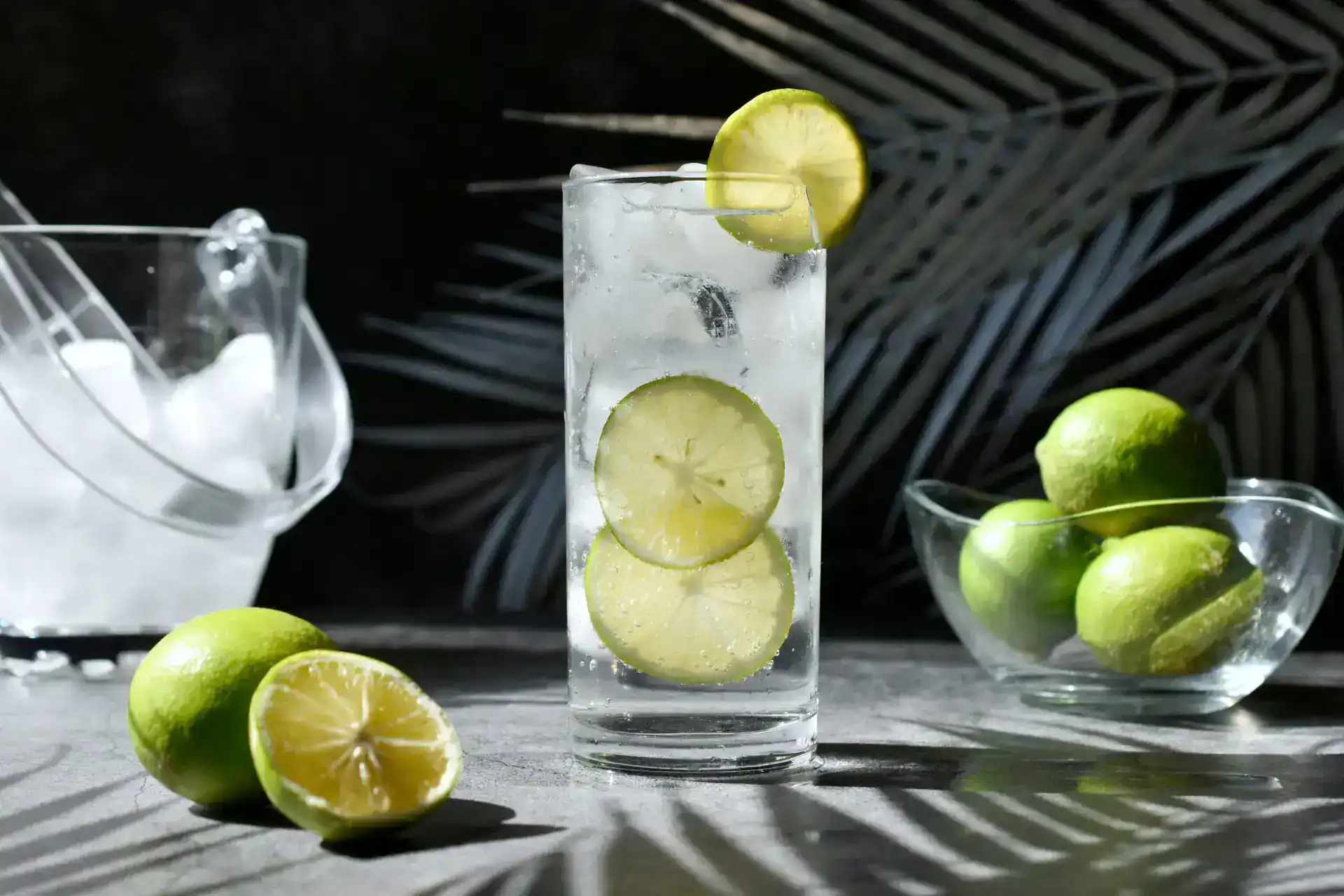
The gin and tonic is one of those drinks I respect because it has discipline. It does not ask for much, but when it is made well, it feels polished. Good tonic, proper garnish, and the right balance go a long way.
I also think this is a strong affordable cocktail because it gives people that “real cocktail” experience without a complicated build.
Why it makes the list: it is classic, efficient, and feels more expensive than it is.
5. Rum and Cola

Some lists avoid drinks like rum and cola because they want to sound more sophisticated. I think that is a mistake. If we are talking honestly about affordable cocktails, this drink belongs on the list. It is one of the most recognizable mixed drinks in the market, and it continues to work because it is simple and dependable.
Not every affordable cocktail needs to be a craft statement. Some just need to be good company.
Why it makes the list: it is familiar, affordable, and consistently accessible.
6. Screwdriver

The Screwdriver is sometimes overlooked, but I think that is unfair. It is an easy brunch drink, a casual party drink, and a low-effort option that still feels complete. Orange juice does a lot of work here, which helps the cocktail feel fuller without demanding a long ingredient list.
I appreciate drinks like this because they remind us that simplicity still has value.
Why it makes the list: it is easy to build, easy to batch, and works for many occasions.
7. Moscow Mule

The Moscow Mule still deserves a place because it gives a lot of flavor for relatively little effort. Ginger beer brings personality fast, and lime adds the structure. It feels lively and complete without calling for expensive liqueurs or elaborate prep.
To me, that is exactly what an affordable cocktail should do. It should give you a strong return on a short list of ingredients.
Why it makes the list: it offers bold flavor, quick execution, and strong guest appeal.
8. Paloma

The Paloma belongs here because it is refreshing, bright, and uncomplicated. I also think it fits where the market is going. Long, sparkling drinks continue to resonate because they feel easier, more flexible, and more occasion-friendly than heavy or fussy cocktails.
A Paloma gives people refreshment and flavor without turning into a project.
Why it makes the list: it is crisp, crowd-friendly, and built on a lean formula.
9. Tom Collins

I have always thought the Tom Collins is one of the better examples of value hiding in plain sight. It uses a short list of ingredients, but it still feels like a fully formed cocktail. Lemon, sweetener, soda, and spirit are enough when the balance is right.
That is part of what makes affordable cocktails so interesting right now. People are rediscovering that quality and simplicity can work together.
Why it makes the list: it is classic, low-cost, and delivers strong perceived value.
10. Dirty Martini

Some people may not expect to see a dirty martini on an affordable cocktails list, but I think it belongs. Martini culture is still very strong, and savory cocktails continue to attract attention. The dirty martini uses only a few ingredients, carries a lot of personality, and feels like an indulgence even when the build is relatively simple. Food & Wine has also highlighted the continued evolution of martini formats, which reinforces how visible this category remains.
For me, that is what makes it interesting. It feels elevated, but it does not need a long list of costly components.
Why it makes the list: it is current, minimal, and high in perceived reward.
Why These Are My Top 10 Affordable Cocktails
What ties these drinks together is not just price. It is practical value. Each one offers something people still want right now: familiarity, ease, and enough polish to feel worthwhile. That matters because today’s consumer is more selective. NIQ says 41% of cocktail consumers mostly drink premium, high-quality cocktails, while another 34% mix premium and value options. That tells me people are not rejecting quality. They are simply becoming more disciplined about what deserves their spend.
I also think this trend has a real generational dimension. Younger legal-age drinkers often do not have much discretionary income, but they still want to participate socially. They still want to order something that looks good, tastes good, and feels like part of the occasion. NIQ has reported that Gen Z’s influence is outsized relative to its current share of beverage alcohol dollars, which helps explain why value, format, and social relevance are so tightly connected right now.
From my perspective, affordable cocktails work best when they feel smart rather than cheap. That is the difference. The right drink does not make people feel like they compromised. It makes them feel like they chose well.
For a Club Felene audience, my personal top three would be the vodka soda with citrus, vodka lemonade, and vodka spritz. Those drinks fit the moment. They are easy to make, easy to enjoy, and well suited to the kind of simple, clean cocktails people want right now.
Why Affordable Cocktails Are Trending in 2026
Several trends are pushing this movement forward. First, overall beverage alcohol remains under pressure. NielsenIQ’s 2025 year-in-review reported dollar declines across beer, wine, and spirits, driven largely by soft volume. At the same time, RTDs continued to gain share and now account for more than 12% of total alcohol dollars. That tells us consumers are still drinking, but they are becoming more selective about format, occasion, and spend.
Second, value perception has become central to hospitality. NielsenIQ’s 2026 outlook said operators who deliver balance, value, and memorable experiences will be best positioned this year. In other words, pricing alone is not enough. Drinks must still feel enjoyable and worth choosing.
Third, moderation and flexibility are shaping menu design. Industry reporting says lower-alcohol drinks remain a hot menu trend, while more bars are listing ABV on menus to improve transparency and help guests choose more confidently. Those developments support a broader shift toward drinks that feel more controlled, more approachable, and easier to fit into real life.
Younger Drinkers Are Redefining What Value Looks Like
Younger legal-age drinkers are helping push affordable cocktails into the spotlight. For many of them, the shift is practical. Discretionary income is tighter, social occasions still matter, and value carries more weight. NielsenIQ says Gen Z households account for just 11% of beverage alcohol buying households and 7% of category dollars, yet their influence is outsized in shaping formats and preferences. It also says RTDs over-index strongly with Gen Z.
That does not mean quality is being abandoned. Instead, the appeal is moving toward cocktails that feel recognizable, well-made, and financially realistic. NielsenIQ has also reported that consumer caution is now deeply ingrained in spending behavior heading into 2026. That supports the idea that younger adult drinkers are not chasing the lowest price. They are making more selective decisions about where a cocktail feels worth it.
This is an important distinction for the article. Younger consumers should not be framed as “cheap drinkers.” They are better understood as budget-aware drinkers who still want social relevance, flavor, and a drink that feels like a treat.
Related: The RTD Boom
What Drinkers Really Want From Affordable Cocktails
Drinkers want value, but they do not want compromise to be obvious. They want a cocktail that tastes clean, looks appealing, and feels like a proper reward. NielsenIQ reported that premium ingredients remain one of the clearest signals of cocktail quality for consumers, with higher-quality spirits and mixers playing a major role in perceived value.
That helps explain why simpler cocktails are working. A shorter ingredient list is easier to execute well. It also creates less waste. Moreover, it keeps the flavor easy to understand. Affordable cocktails tend to perform best when they are built around familiar templates, fresh citrus, restrained sweetness, and a dependable base spirit.
For vodka, this environment is favorable. A clean vodka can support citrus drinks, highballs, spritz-style serves, and batched party cocktails without requiring an elaborate backbar. That makes it easier to create drinks that feel elevated while staying practical.
Why This Trend Fits Home Entertaining
The affordable cocktails trend is especially useful for people entertaining at home. Guests want quality, but they also appreciate ease and generosity. Home hosts are not trying to replicate a theatrical cocktail bar. They are trying to serve drinks that people genuinely enjoy.
That is where vodka earns its keep. A bottle of additive-free vodka can support multiple recipes without introducing competing flavors. It also works well with sparkling water, citrus, tea, lemonade, herbs, and fruit. As a result, the host can create several cocktails from a compact ingredient set.
This is also where Felene fits naturally. Felene Vodka’s clean, additive-free profile supports simple cocktail structures. That matters because a straightforward drink leaves less room to hide flaws. When a cocktail uses only a few ingredients, the base spirit needs to be clean and balanced.
How to Build Affordable Cocktails at Home
Affordable cocktails are easier to build than many people assume. The key is discipline.
Start with one versatile base spirit. Then choose two or three mixers that can be used across several drinks. Fresh lemon juice, sparkling water, and a quality fruit mixer can carry a full evening. Next, use garnishes selectively. A lemon wheel or expressed peel usually does more work than an expensive garnish tray.
Batch where possible. A pre-mixed citrus vodka punch or a lightly sweetened highball base saves time and improves consistency. The Radicle example shows that batching and prep efficiency are now central to affordable cocktail strategy, not shortcuts to be avoided.
Finally, keep drink names and flavor profiles recognizable. Guests are more likely to accept a second drink when they understand what is in the glass.
Three Affordable Cocktail Styles That Make Sense Right Now
A vodka spritz is one of the strongest affordable cocktail formats in 2026. It feels current, refreshing, and flexible. It also fits the market’s broader movement toward lighter and more occasion-friendly drinks. NielsenIQ’s 2026 reporting on mixed drinks and spritzes says spritz demand continues to expand significantly in hospitality.
A vodka lemonade is another smart format. It is familiar, cost-effective, and easy to batch for parties. When made with a clean vodka and fresh citrus, it can feel far more premium than its ingredient count suggests.
A simple vodka soda with a fruit accent also works well. Consumers increasingly appreciate transparency, moderation options, and drinks that are easy to understand. The recent push to include ABV on menus reflects that broader desire for clarity.
The Real Opportunity Behind Affordable Cocktails
Affordable cocktails are not a retreat from quality. They are a reset in expectations. Drinkers still want a good experience. They simply want it delivered with better judgment.
That is why this trend matters. It rewards balance, efficiency, and clean flavor. It also favors brands that can support simplicity rather than hide behind complexity. For Club Felene, that creates a useful editorial lane. Affordable cocktails connect consumer caution, younger adult budget realities, home entertaining, and premium vodka logic in one story.