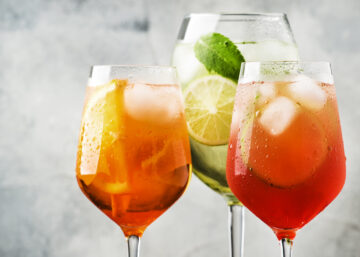
Hibiscus tea cocktails deliver bright acidity, deep color, and natural balance in a single ingredient. They are widely used to structure drinks, reduce reliance on citrus, and enhance visual appeal. When cold-steeped, hibiscus tea produces a clean, stable mixer that integrates especially well with vodka.
What Are Hibiscus Tea Cocktails and Why Are They Effective

Hibiscus tea cocktails are drinks that use hibiscus tea as a primary mixer or structural component. The tea is made from dried calyces of the Hibiscus sabdariffa plant. The calyx is the outer part of the flower that protects the petals before blooming. Once dried, it becomes the usable ingredient for infusion.
These calyces contain compounds that define both flavor and function.
Organic acids, such as citric and malic acid, create a sharp, tart taste. This acidity behaves similarly to lemon or lime juice. As a result, sweetness is balanced and drinks feel structured. The antioxidant and color properties of hibiscus are tied to compounds discussed in this review of hibiscus polyphenols and anthocyanins.
Polyphenols introduce mild bitterness and complexity. They also create a slight drying sensation on the palate. Therefore, overly sweet cocktails are naturally corrected.
Anthocyanins provide the deep red color of hibiscus tea. These pigments remain stable in acidic environments. Consequently, hibiscus tea cocktails retain their vibrant appearance without artificial coloring.
Together, these properties allow hibiscus to function as both an acid and a balancing agent.
Hibiscus Tea Flavor Profile in Cocktails
Hibiscus tea drinks present a layered sensory profile.
- Bright tartness similar to cranberry or sour cherry
- Light tannic bitterness comparable to unsweetened tea
- Floral and slightly herbal aromatics
- Clean, dry finish
When lemon is introduced, a defined citrus tension is created. Lemon delivers sharp, immediate acidity. Hibiscus extends the finish with depth and mild tannin. As a result, the drink becomes more precise and complete.
Are Hibiscus and Lemon Redundant in Cocktails

Hibiscus and lemon are not redundant. They overlap in acidity, yet they perform different functions.
Hibiscus provides broader, lingering tartness driven by malic acid. Lemon delivers sharper, immediate brightness driven by citric acid. Therefore, lemon acts as a high note, while hibiscus builds the mid-palate and finish.
However, combined acidity increases intensity. As a result, a sweetener becomes necessary to maintain balance.
Why Sweetener Is Required in Hibiscus Tea Cocktails
Sweetener is required to stabilize hibiscus tea cocktails when acidity is elevated.
It performs three critical roles:
- Buffers sharp acidity from hibiscus and lemon
- Rounds tannic bitterness from polyphenols
- Enhances perceived fruit character
Without sweetener, the drink often feels thin, aggressive, or overly astringent.
Best Household Sweeteners for Hibiscus Tea Cocktails

Simple, clean sweeteners perform best with hibiscus.
Simple syrup is the most effective option. It provides neutral sweetness and dissolves instantly. Therefore, hibiscus remains the dominant flavor.
Honey syrup adds floral depth and softens tannins. However, it should be used carefully to avoid overpowering the drink.
Agave syrup offers a smooth, mild sweetness. It integrates well in lighter, citrus-forward hibiscus tea cocktails.
Granulated sugar can be used, although full dissolution is required. Otherwise, texture inconsistencies may occur.
Heavier sweeteners, such as maple syrup or brown sugar, should be used cautiously. They can mask hibiscus and reduce clarity.
Cold-Steeping Hibiscus Tea for Cocktails
Cold-steeping is preferred for hibiscus tea cocktails due to improved control and stability.
Recommended parameters:
- 8–12 grams dried hibiscus per liter of water
- 12–24 hours under refrigeration
- Fine filtration before use
Cold-steeping reduces harsh tannin extraction. It also preserves aromatics and improves clarity. By contrast, hot brewing increases bitterness and reduces stability.
Shelf Stability of Hibiscus Tea in Cocktails
Hibiscus tea offers moderate shelf stability due to its natural acidity.
Key factors include:
- pH typically ranges from 2.5 to 3.5
- Refrigeration is required
- Oxygen exposure should be minimized
Cold-steeped hibiscus tea remains stable for approximately 5 to 7 days when refrigerated. After this period, flavor degradation occurs. Because hibiscus tea is still a perishable infusion, refrigeration and careful handling remain important, consistent with FoodKeeper storage guidance.
Airtight glass storage is recommended. Smaller batch sizes further improve consistency.
Functional Role of Hibiscus Tea in Cocktail Design
Hibiscus tea cocktails benefit from several structural advantages.
Acid replacement: Hibiscus can partially replace citrus while adding complexity.
Dilution medium: It can replace water in batching to introduce flavor without weakening structure.
Color enhancement: It provides natural visual appeal without additives.
Balance agent: Mild bitterness offsets sweetness and improves drink structure.
These functions make hibiscus highly efficient in cocktail formulation.
Vodka Pairing in Hibiscus Tea Cocktails
Vodka is highly compatible with hibiscus tea cocktails due to its neutral profile. It allows hibiscus to define the drink.
Hibiscus pairs especially well with citrus and berry profiles. Raspberry and lemon combinations are particularly effective. This alignment is reflected in <a href=”https://felenevodka.com/raspberry-lemonade-vodka-cocktails/” target=”_blank”><strong>raspberry lemonade vodka cocktails</strong></a>, where acidity and fruit are already balanced.
Clean, additive-free vodka bases further enhance this structure. Hibiscus adds complexity without masking the spirit.
Practical Applications for Hibiscus Tea Cocktails

Hibiscus tea cocktails can be built across multiple formats.
- Highballs with vodka, hibiscus tea, and soda
- Sour-style drinks with hibiscus, citrus, and sweetener
- Spritz-style variations using hibiscus and carbonation
In each format, hibiscus replaces or enhances traditional acidic components. As a result, the drink gains both depth and visual distinction.
Ingredient Accessibility and Preparation
Dried hibiscus is widely available through online retailers and natural grocery stores. This accessibility supports both home and professional use.
Hibiscus tea is naturally free from sugar and additives when unsweetened. It also contains antioxidants such as anthocyanins. While secondary in cocktails, this reinforces its clean-label appeal.
Limitations When Using Hibiscus Tea in Cocktails
Controlled preparation is required for optimal results.
- Over-steeping increases bitterness
- Improper storage degrades flavor and color
- Excess acidity requires balancing
Precision in measurement and process is essential for consistency.
Frequently Asked Questions About Hibiscus Tea Cocktails
What does hibiscus tea taste like in cocktails
Hibiscus tea tastes tart and slightly bitter, with floral undertones. It resembles cranberry with a drier finish.
Can hibiscus tea replace lemon juice in cocktails
Hibiscus can partially replace lemon juice. However, lemon is often retained for brightness and aromatic lift.
How long does hibiscus tea last in the fridge
Cold-steeped hibiscus tea typically lasts 5 to 7 days under refrigeration when stored in airtight conditions.
Do hibiscus and lemon work together in cocktails
Yes, they work together effectively. Lemon provides sharp acidity, while hibiscus adds depth and structure.
What sweetener works best in hibiscus tea cocktails
Simple syrup works best due to its neutrality. Honey and agave can be used for added depth.
Is hibiscus tea good for vodka cocktails
Hibiscus tea is highly effective with vodka. Its acidity and color enhance structure without masking the spirit.
Final Perspective on Hibiscus Tea Cocktails
Hibiscus tea cocktails offer a unique combination of acidity, color, and balance. They function as both structural and aesthetic elements in modern mixology.
When paired with vodka, they deliver clarity and complexity without interference. Consequently, hibiscus tea has become a foundational mixer for both consumers and bartenders.