Retailers face a common dilemma when organizing shelves. National brands attract attention but often deliver thinner margins. Meanwhile, premium spirits can increase profitability but lack the same name recognition. Effective liquor store shelf merchandising strategies provide solutions for balancing these priorities while creating a better shopping experience.
Why Liquor Store Shelf Merchandising Strategies Matter
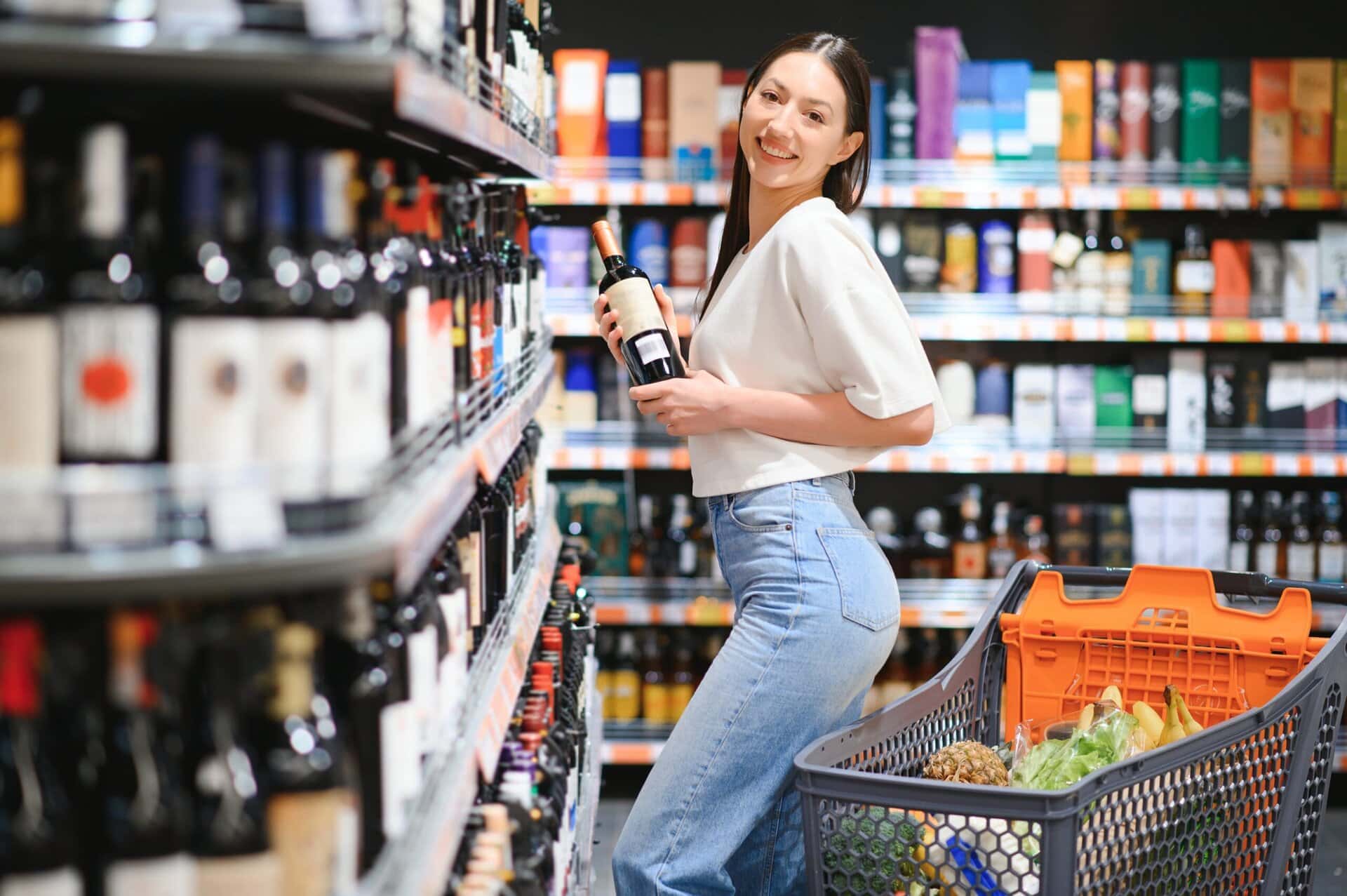
Shelf design influences customer behavior more than many retailers realize. In fact, studies show that shoppers make a majority of purchase decisions at the shelf. Therefore, the way bottles are positioned directly affects profitability. Strong visual merchandising liquor retail practices can increase both discovery and repeat sales.
Additionally, shelf strategies go beyond aesthetics. They ensure that every square foot of retail space delivers maximum return. As competition grows, careful planning becomes essential.
Top 10 Best Practices for Liquor Store Shelf Optimization
- Use a Planogram
A structured planogram ensures products are arranged by strategy, not guesswork. This maximizes profit per square foot. - Prioritize the Golden Zone
Place high-margin or premium products at eye level. This zone captures shopper attention and boosts conversions. - Balance National and Premium Brands
Keep well-known labels visible but highlight premium spirits nearby. This balance drives both traffic and margin. - Leverage Adjacency Placement
Position craft or local spirits next to national brands. Shoppers often explore alternatives when familiar products draw them in. - Cross-Merchandise Creatively
Pair vodka with mixers, garnishes, or barware. This strategy increases basket size and improves customer experience. - Rotate Shelf Features Seasonally
Update displays for holidays, trends, and cocktail seasons. Freshness keeps customers engaged and encourages repeat visits. - Use Shelf Talkers and Signage
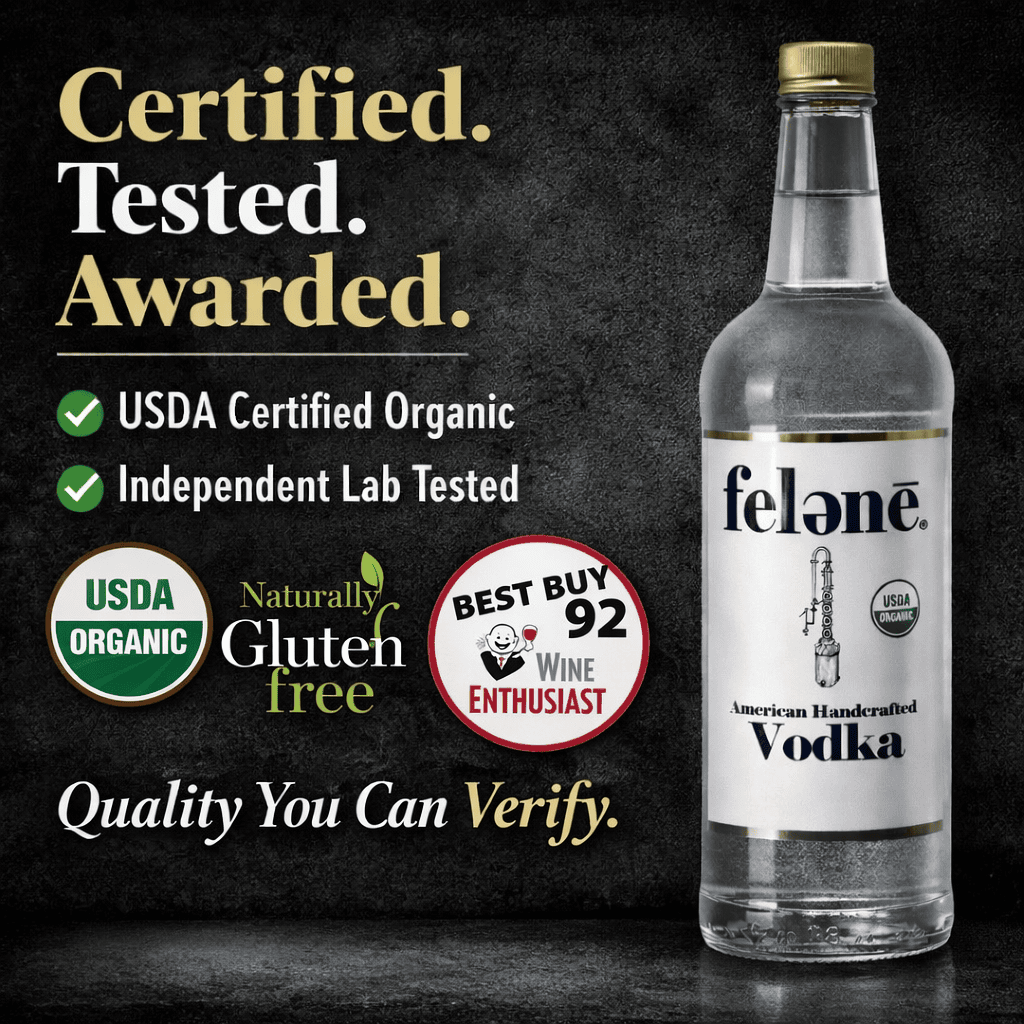
Highlight unique product features like “organic,” “award-winning,” or “local.” Clear messaging guides shopper decisions. - Maintain Consistent Facing Counts
Keep shelves full and symmetrical. Multiple facings of profitable items signal popularity and build customer trust. - Analyze Sales and Margin Data Regularly
Review performance data to adjust placements. Align shelf space with profitability, not just volume. - Train Staff on Merchandising Goals
Employees must understand placement strategies. Proper execution ensures the merchandising plan achieves maximum impact.
Product Placement in Liquor Store Shelves
Proper product placement in liquor store shelves helps guide customers toward profitable products. Eye-level space, often called the “golden zone,” drives the highest conversion. Consequently, this area should highlight premium brands with higher margins.
Well-known national brands still deserve visibility, but they do not need to dominate. Instead, positioning them just above or below the golden zone ensures recognition without sacrificing profitable opportunities. This approach leverages brand draw while keeping profitability central.
Using Planograms to Optimize Shelf Layout
A planogram is a diagram that visually represents how products should be arranged on retail shelves. Effective planogram liquor store designs balance customer demand with profit margins. They also help maintain consistency across multiple locations.
Planograms assign facings based on sales velocity, margin contribution, and promotional goals. For example, a planogram may allocate more shelf space to fast-moving vodka but reserve prime eye-level spots for higher-margin craft spirits. This structured approach prevents national labels from overshadowing unique, profitable offerings.
Furthermore, planograms make restocking simpler. Employees can quickly identify where each product belongs, reducing confusion and improving operational efficiency.
Balancing National Brands with Premium Spirits
National brands are powerful traffic drivers. Customers enter stores expecting to find them. However, these bottles often yield margins between 30% and 40%. Premium spirits, on the other hand, frequently deliver margins exceeding 50%.
Therefore, balancing national brands and premium spirits becomes crucial. A smart strategy is adjacency. By placing premium or local products next to familiar names, retailers capture the attention of loyal brand buyers. Many customers, once drawn to the section, are open to experimenting with something new.
This method not only enhances profitability but also supports local or craft producers. Retailers strengthen community ties while broadening customer options.
Visual Merchandising Tactics for Liquor Retailers
Beyond planograms, visual merchandising liquor retail tactics play a critical role in driving sales. Several proven approaches include:
- Shelf talkers and tags: Highlight unique features such as “organic,” “local,” or “award-winning.”
- End-cap displays: Promote seasonal cocktails, new arrivals, or premium categories.
- Cross merchandising in liquor stores: Pair spirits with mixers, garnishes, or glassware for higher basket value.
- Themed zones: Create dedicated areas such as “local favorites” or “premium vodka selections.”
These tactics attract attention while educating shoppers. They also differentiate a store from competitors, encouraging customers to linger and explore.
Distributor-Controlled Merchandising: Pros and Cons for Liquor Stores
Pros of Distributor-Controlled Merchandising
- Operational Efficiency
Distributors provide staff who handle stocking, rotation, and display building. This saves store labor costs and management time. - Professional Merchandising Tools
Major distributors use advanced planograms, sales data, and promotional insights. Their resources create polished, high-impact displays. - Stronger Promotional Support
Brands represented by large distributors often provide point-of-sale signage, shelf talkers, and seasonal displays. This increases customer engagement. - Guaranteed Product Availability
Distributor-controlled shelves often prioritize reliable supply chains. This reduces out-of-stocks on high-demand national brands. - Vendor Accountability
With direct control, distributors are accountable for rotation, freshness, and compliance with promotional agreements.
Cons of Distributor-Controlled Merchandising
- Margin Erosion
National brands typically deliver lower margins. Distributor-driven placement may crowd out higher-profit local or premium spirits. - Loss of Store Identity
Overreliance on distributor merchandising creates cookie-cutter layouts. Unique local character and differentiation are diminished. - Reduced Autonomy
Retailers lose control of which products are prioritized. Distributors focus on their portfolio, not the store’s bottom line. - Skewed Shelf Allocation
Premium, niche, or local products often receive poor visibility. This limits discovery and hinders diversification of sales. - Customer Experience Imbalance
A heavy focus on national labels can overwhelm shoppers. Many customers want variety and expect to find distinctive selections.
Strategic Takeaway
Allowing distributors to merchandise offers efficiency and professional polish. However, it can undermine profitability and store individuality. The strongest approach is a hybrid model. Retailers can let distributors manage national brand facings while retaining control over premium and local shelf space. This balance preserves efficiency without sacrificing margin growth or customer experience.
Implementing a Profitable Shelf Strategy
Profitable shelf strategies require discipline. Store owners should review sales and margin data regularly, then adjust planograms and displays accordingly. Rotating premium products into eye-level positions keeps shelves dynamic and prevents customer fatigue.
Finally, communication with staff is essential. Merchandising strategies must be executed consistently to succeed. When employees understand why premium placements matter, they become partners in driving profitability.
In summary, effective liquor store shelf merchandising strategies combine the drawing power of national brands with the profitability of premium spirits. By leveraging planogram liquor store designs, careful product placement in liquor store shelves, and targeted visual merchandising liquor retail tactics, retailers can maximize both margins and customer satisfaction.