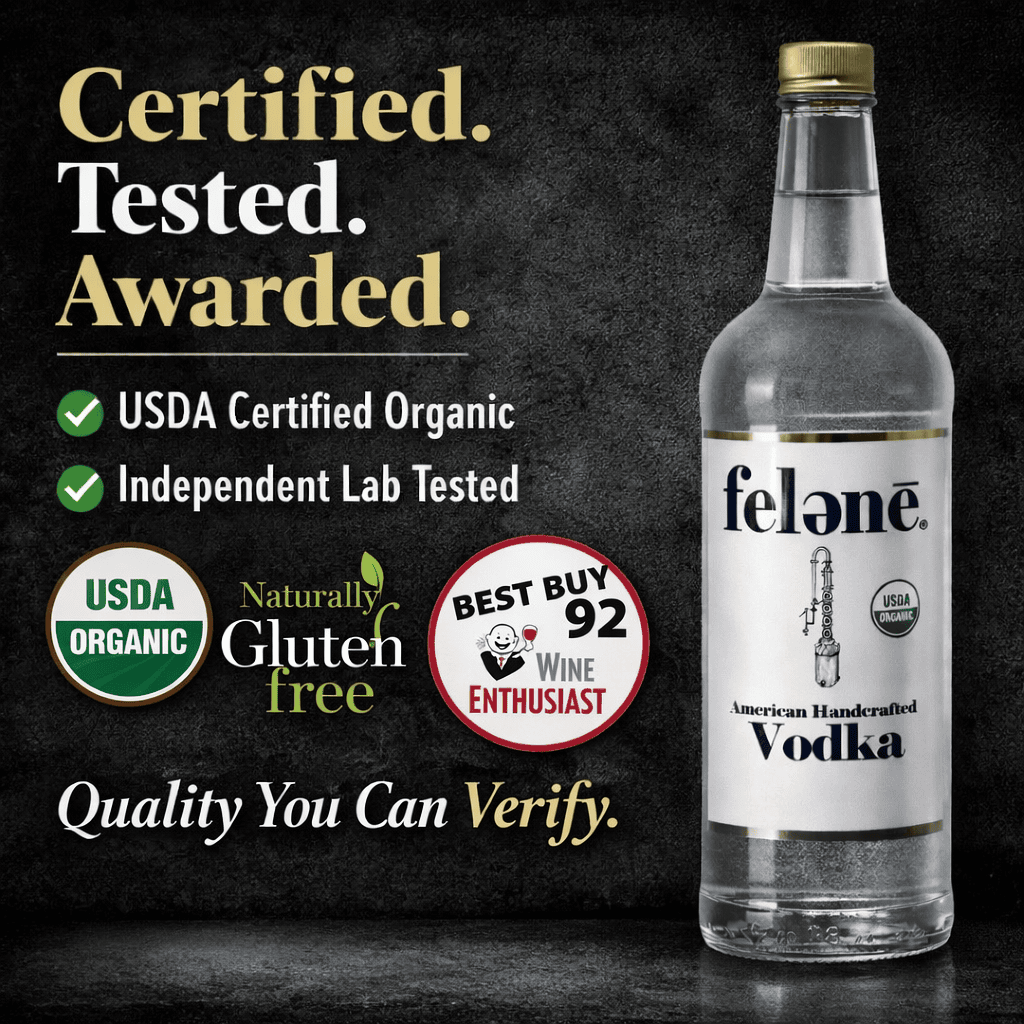
What Makes Vodka High Quality?

High-quality vodka is produced through clean fermentation, precise distillation, and careful filtration. The result should be smooth, neutral, and free from harsh alcohol burn. Ingredient quality and distillation technique determine the final character of the spirit.
Clean fermentation, careful distillation, and a smooth finish define a high-quality vodka. The best vodkas begin with high-quality agricultural ingredients and are distilled to remove impurities while preserving balance. Understanding these fundamentals allows consumers to recognize quality and choose vodka with confidence.
Vodka is among the most widely consumed spirits in the world. However, production methods vary widely. Some vodkas are crafted with precision and transparency. Others rely heavily on filtration or additives to mask imperfections. Therefore, learning how vodka is made and how it should taste helps consumers identify a well-crafted spirit.
What Is Vodka Made From?
Distillers can make vodka from any agricultural ingredient containing fermentable sugars or starches, according to the definition established by the Alcohol and Tobacco Tax and Trade Bureau (TTB). During fermentation, yeast converts these sugars into alcohol. Distillers then distill that alcohol to increase purity. This base alcohol is then distilled to increase purity.
Common vodka base ingredients include:
- wheat
- corn
- rye
- potatoes
- sugarcane
Each ingredient creates subtle differences in texture and mouthfeel.
For example, wheat typically produces a soft and smooth vodka. Rye often introduces a faint spicy edge. Corn tends to create a slightly sweeter profile. Potato vodka usually produces a fuller body. Sugarcane vodka is known for exceptional clarity and a clean finish.
During distillation, producers remove most flavor compounds. Therefore, vodka differences are often perceived in texture, smoothness, and finish rather than strong flavors.

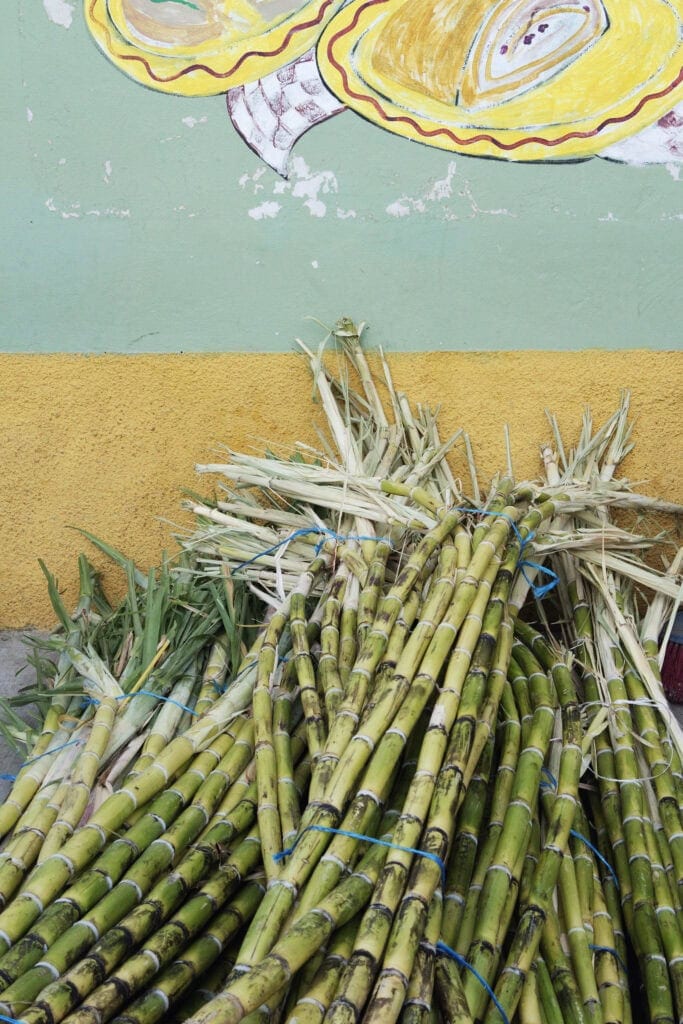
These agricultural inputs form the foundation of vodka production. Their quality influences fermentation efficiency and overall spirit purity.
How Vodka Is Made

Vodka production generally follows four key steps: fermentation, distillation, filtration, and proofing, processes widely documented by the American Distilling Institute.
1. Fermentation
The base ingredient is mashed and combined with yeast. Yeast converts sugars into alcohol and carbon dioxide.
2. Distillation
Distillers heat the fermented liquid in a still. Alcohol vapor rises and is condensed into a higher-proof spirit.
3. Filtration
Many producers filter vodka through charcoal or other materials to remove impurities.
4. Proofing
Producers dilute distilled alcohol with water to reach the desired bottling strength.
Vodka Distillation Process
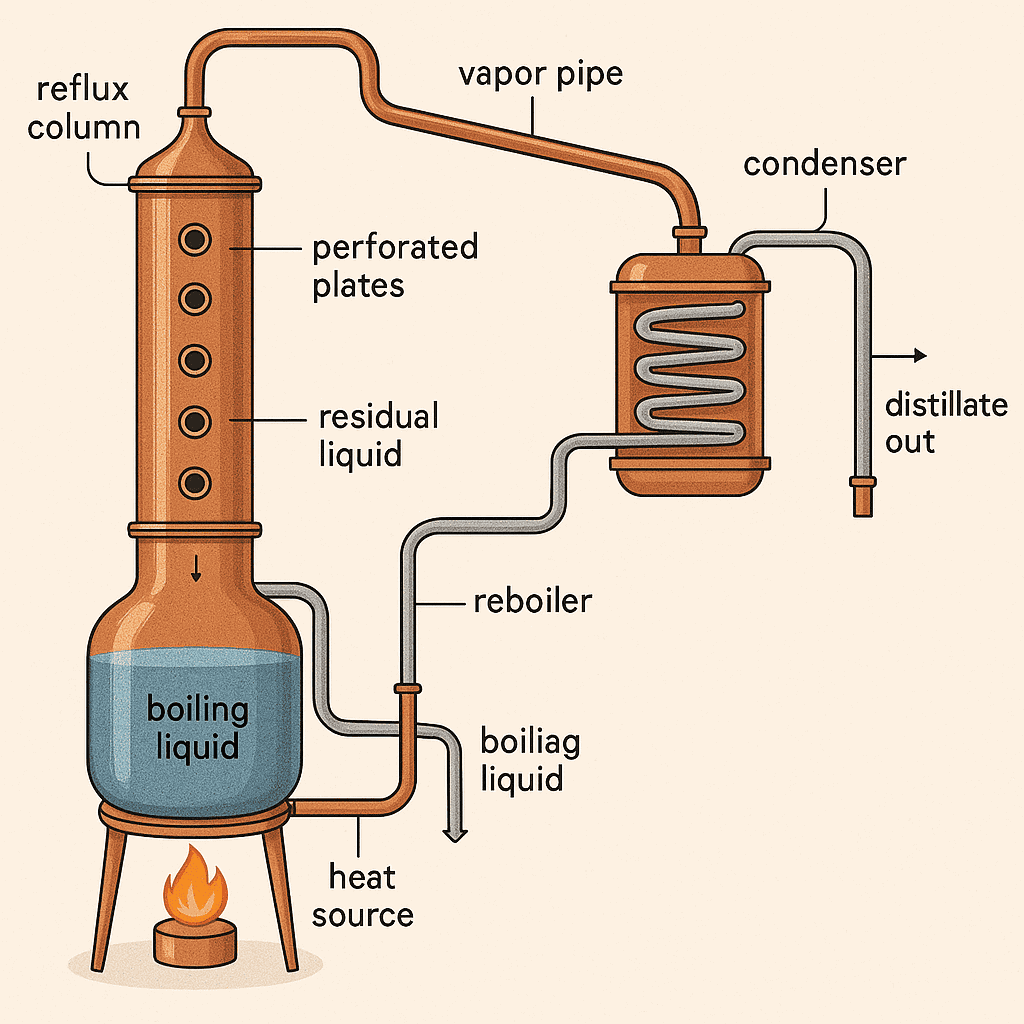
Modern vodka distilleries often use column stills. These systems allow for very precise purification of alcohol while maintaining production efficiency.
What Makes Vodka High Quality?
High-quality vodka is defined by production discipline and ingredient integrity.
Several characteristics typically indicate a well-crafted vodka.
Clean aroma
Quality vodka should present minimal harsh alcohol smell.
Smooth mouthfeel
A well-distilled vodka feels soft and balanced on the palate.
Neutral but refined taste
Vodka should not taste strongly flavored. However, it should not feel sharp or burning.
Clean finish
After swallowing, the alcohol should fade smoothly without bitterness.
Transparent labeling
Quality producers disclose ingredients and production methods clearly.
Careful fermentation, precise distillation cuts, and proper filtration create these attributes.
How to Taste Vodka Like a Professional
Professional tasting helps drinkers notice subtle differences between vodkas

Vodka Tasting Evaluation
To evaluate vodka properly, follow three steps.
Observe the aroma
Swirl gently and inhale lightly. The aroma should be clean and neutral.
Taste slowly
Take a small sip and allow the vodka to coat the palate.
Evaluate the finish
A high-quality vodka fades gradually without harsh heat.
Chilling vodka can soften alcohol intensity. However, room-temperature tasting often reveals more detail.
Vodka Myths vs. Reality
Many consumers frequently misunderstand vodka. Consumers still repeat several myths.
Myth: Vodka must taste like nothing.
Reality: Vodka should be neutral, but texture and smoothness still matter.
Myth: More distillations always mean better vodka.
Reality: Precision matters more than the number of distillations.
Myth: Expensive vodka is always superior.
Reality: Marketing often drives price more than production quality.
Myth: All vodkas are identical.
Reality: Ingredients, fermentation methods, and water sources influence character.
Understanding these differences allows consumers to make more informed choices.
RELATED STORY: BAR MYTHS AND LEGENDS
Quick Checklist: How to Identify Quality Vodka
When selecting vodka at a store or bar, consider the following indicators.
- Clean aroma with minimal harsh alcohol smell
- Smooth texture rather than sharp burn
- Balanced finish without bitterness
- Transparent ingredient information
- Clear production methods
This simple checklist helps buyers distinguish thoughtful craftsmanship from mass-produced spirits.
How Vodka Performs in Cocktails
Vodka’s neutrality makes it highly versatile in mixed drinks. High-quality vodka enhances cocktails without overwhelming other ingredients.
For example, vodka is commonly used in:
- Moscow Mule
- Vodka Martini
- Cosmopolitan
- Bloody Mary
- Espresso Martini
A smooth vodka keeps citrus, herbs, and other cocktail ingredients in balance.
Frequently Asked Questions About Vodka
Is vodka supposed to have flavor?
Vodka should be neutral. However, tasters can still detect subtle differences in texture and finish.
Does the base ingredient matter in vodka?
Yes. Ingredients influence fermentation chemistry and mouthfeel.
How many times should vodka be distilled?
There is no fixed rule. Distillation precision matters more than repetition.
Is charcoal filtration necessary for vodka?
Many producers use charcoal filtration to polish the spirit. However, strong fermentation and precise distillation reduce the need for heavy filtration.
What proof is vodka typically bottled at?
Most producers bottle vodka at 80 proof, or 40% alcohol by volume.
The Takeaway
Disciplined fermentation, careful distillation, and balanced finishing techniques create a high-quality vodka. While vodka is intentionally neutral, its smoothness, clarity, and finish reveal the quality of its production. By understanding how vodka is made and how it should taste, consumers can confidently select a spirit that performs well both neat and in cocktails.
Understanding these principles transforms vodka from a simple spirit into a craft product shaped by ingredients, distillation expertise, and thoughtful production.