Defining the Dirty Cocktail
In this Article
- Defining the Dirty Cocktail
- The Historical Origin of the Dirty Cocktail
- What Makes a Cocktail Dirty?
- Flavor Science Behind Dirty Cocktails
- Classic Examples of Dirty Cocktails
- Reconciling the Dirty Dr Pepper With Tradition
- Modern Dirty Cocktail Interpretations
- Why Dirty Drinks Keep Gaining Fans
- Vodka’s Role in Dirty Libations
- The Future of Dirty Cocktails
A dirty cocktail is a mixed drink that changes its original flavor structure to feel richer, heavier, and more blended. Most dirty cocktails use savory, salty, or textured ingredients to reduce sharpness and soften separation. As a result, the drink tastes smoother and more unified. Therefore, dirty cocktails feel bolder and more layered than classic builds. This mixology style has stayed popular for decades. Recently, interest has grown through home bartending and social media. From the dirty Martini to the dirty Dr Pepper, the idea continues to expand.
The Historical Origin of the Dirty Cocktail
The dirty cocktail traces back to the Martini. Bartenders added olive brine in the early twentieth century. Salt softened harsh alcohol and improved balance. The drink became smoother and easier to enjoy. During Prohibition, bartenders used strong flavors to hide poor spirits. Brines and savory additions solved that problem. As a result, dirty cocktails served both taste and function. After Prohibition ended, drinkers kept ordering them by choice. By mid-century, the dirty Martini became a standard order. Bartenders adjusted brine levels to suit taste. Dirty shifted from a recipe to a technique.
What Makes a Cocktail Dirty?
A cocktail becomes dirty when the drinker changes its structure on purpose. Most versions add salt, brine, or a savory element. Balance moves away from bright sweetness toward depth. Olive brine and pickle juice remain classic choices. Modern drinks now use vegetable juices, saline drops, or texture builders. Integration defines the style. A dirty cocktail blends flavors into one experience. The spirit and mixer no longer feel separate.
YOU MAY LIKE: THE DIRTY DR. PEPPER COCKTAIL RECIPE
Flavor Science Behind Dirty Cocktails
Salt changes how the palate senses flavor. It lowers bitterness and boosts aroma. Drinks taste smoother without extra sugar. Savory elements also add body. Texture feels fuller and flavors last longer. Dirty cocktails feel heavier and more filling. This explains their strong food pairing appeal. They match salty, rich, and umami foods well. Many drinkers order them before or during meals.
Top Dirty Ingredients and How They Shape Cocktails
The dirty style relies on specific ingredients that change texture, balance, and flavor flow. Each ingredient serves a clear purpose and appears in well-known cocktails. The table below provides a practical reference for readers exploring dirty cocktail builds.
| Dirty Ingredient | Primary Effect on Cocktail | Flavor Impact | Texture Impact | Common Dirty Cocktails |
|---|---|---|---|---|
| Olive Brine | Softens alcohol and adds salt | Savory, briny, slightly bitter | Light body increase | Dirty Martini, Dirty Vodka Martini |
| Pickle Juice | Adds acid and salt | Tangy, sharp, savory | Crisp, slightly thicker | Dirty Pickle Martini, Pickle Vodka |
| Saline Solution | Enhances aroma and reduces bitterness | Neutral salt lift | Minimal texture change | Modern Martinis, Savory Vodka Cocktails |
| Tomato Juice | Adds umami and spice base | Savory, vegetal | Thick, filling | Bloody Mary, Bloody Maria |
| Cocktail Onion Brine | Adds mild sweetness and acid | Sweet-savory balance | Light body increase | Dirty Gibson |
| Celery Juice | Adds freshness and earthiness | Green, savory | Medium body | Savory Vodka Cocktails |
| Olive Oil Wash | Rounds alcohol and adds fat | Mild savory richness | Smooth, silky | Fat-Washed Martinis |
| Coconut Cream | Binds flavors and adds fat | Mild sweetness, rounded spice | Thick, creamy | Dirty Dr Pepper |
| Cream or Foam | Blends layers and softens edges | Neutral to lightly sweet | Heavy, cohesive | Modern Dirty Soda Cocktails |
Dirty ingredients work by changing how flavors interact rather than adding sweetness alone. Salt lowers sharp notes and improves aroma release. Acid adds lift while keeping balance. Fat increases body and pulls flavors together. As a result, dirty cocktails feel blended and intentional.
This structure explains why both savory brine and coconut cream qualify as dirty modifiers. Each ingredient alters cohesion and mouthfeel. The method matters more than the flavor category. That shared purpose defines the dirty cocktail style.
Classic Examples of Dirty Cocktails
Dirty Martini
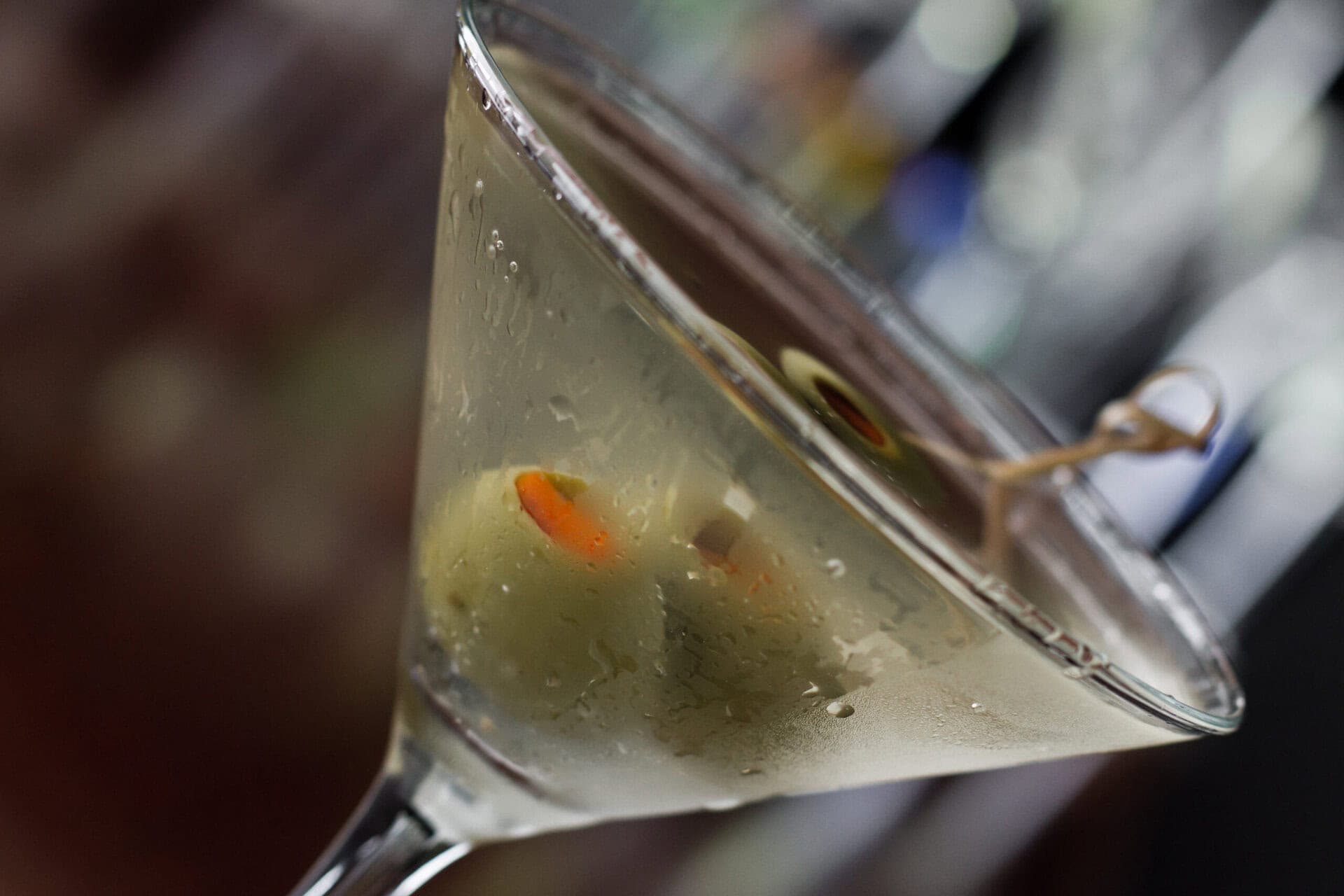
The dirty Martini defines the category. Vodka or gin mixes with dry vermouth and olive brine. Olives add more salt through garnish. Drinkers choose light, dirty, or filthy levels.
Dirty Bloody Mary

The Bloody Mary starts dirty by nature. Tomato juice, salt, spice, and savory flavors drive the drink. Vodka supports the mix without adding flavor. This cocktail shows the dirty style clearly.
Dirty Gibson
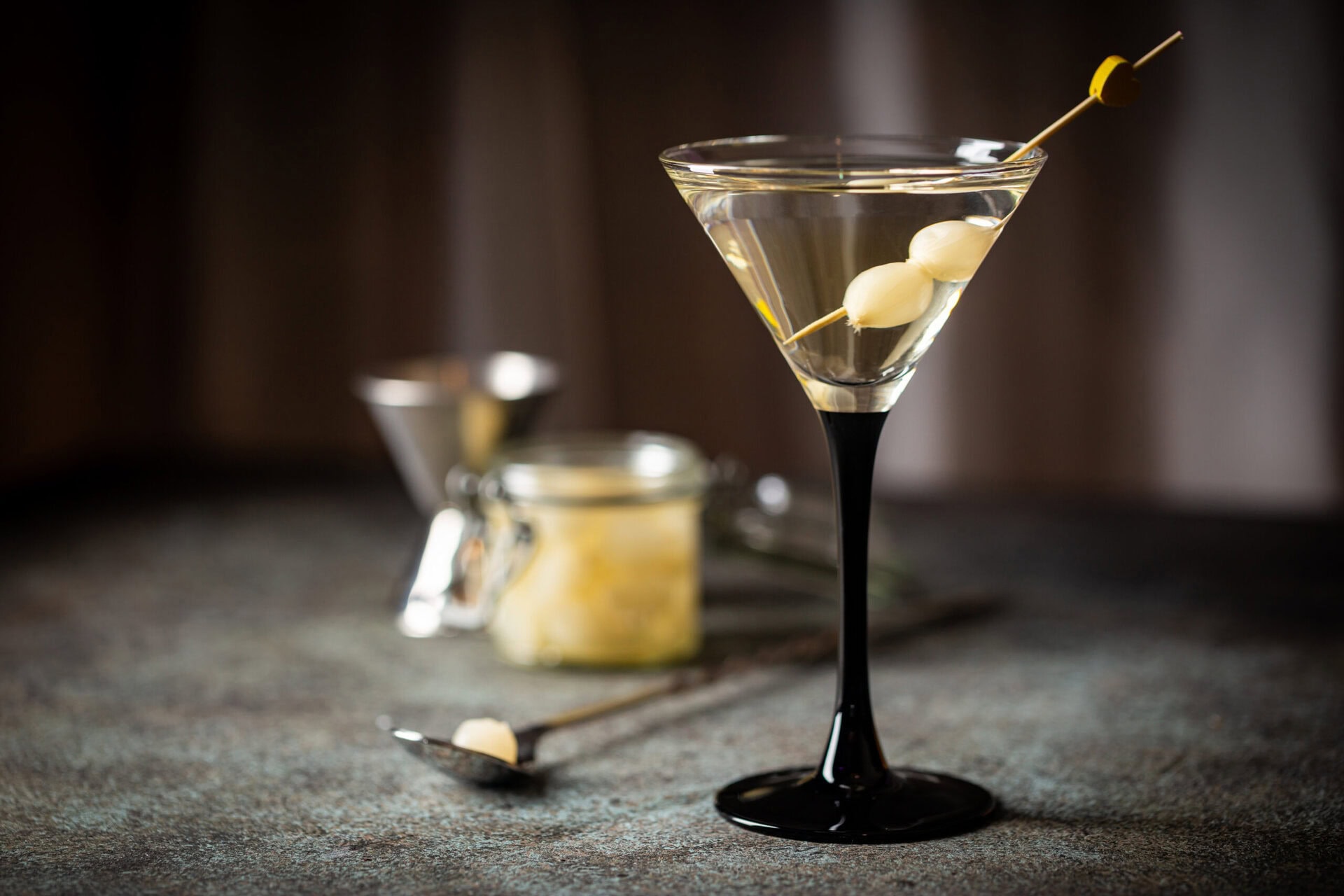
The Gibson swaps olives for cocktail onions. Pickling brine adds acid and mild sweetness. The drink tastes savory but softer.
Reconciling the Dirty Dr Pepper With Tradition
The dirty Dr Pepper seems to break the rules. Coconut cream adds sweetness instead of salt. However, dirty describes structure, not flavor type. A dirty cocktail changes how ingredients bind together. The goal stays cohesion and weight. In a dirty Dr Pepper, coconut cream binds soda and vodka. Sweetness plays a support role. Flavor separation drops. This matches how brine works in a dirty Martini. Brine softens alcohol and blends botanicals. Coconut cream smooths carbonation and spice. Fat drives this effect. Fat boosts thickness and mouthfeel. Soda flavors round out and blend. The drink reaches the same goal through a different path.
Modern Dirty Cocktail Interpretations
Modern dirty cocktails focus on texture first. Savory flavors no longer define the style alone. Technique now matters more than taste direction. Bartenders use creams, foams, oils, and fats. These add weight and blend flavors. Dirty now reflects method over ingredient list. The dirty Dr Pepper fits this shift. It keeps the purpose while changing execution. The style evolves without losing meaning.
Why Dirty Drinks Keep Gaining Fans
Many drinkers avoid overly sweet drinks. Savory and structured cocktails feel more deliberate. Lower sugar trends also influence choices. Home bartending boosts experimentation. Brines and creams stay cheap and easy to use. Social media adds momentum. Thick textures and unusual builds attract attention. Dirty cocktails remain current and adaptable.
Vodka’s Role in Dirty Libations
Vodka works well in dirty cocktails. Its clean profile lets modifiers stand out. Quality vodka avoids harsh notes. Organic sugarcane vodka performs especially well. Smooth texture supports salt and fat equally. Balance improves with fewer changes. Vodka anchors most dirty drinks for these reasons.
The Future of Dirty Cocktails
Dirty cocktails will keep evolving. New savory and textural ingredients will appear. Food culture will shape future builds. The core idea will remain stable. Dirty cocktails focus on blend, weight, and cohesion. The style stays flexible but clear. A follow-up article will explore the most popular dirty cocktails by recipe and trend.
Frequently Asked Questions About Dirty Drinks
What does “dirty” mean in a cocktail?
Dirty describes a drink that adds ingredients to increase depth, weight, and blend. These additions change structure, not just flavor.
Are dirty drinks always savory?
No. Many dirty drinks use salt or brine. Others rely on fat or texture to create the same blending effect.
Why do people add olive brine to cocktails?
Olive brine softens alcohol bite and adds body. It also helps flavors merge into a single profile.
Is a dirty Martini stronger than a regular Martini?
Alcohol strength stays similar. The drink often feels smoother and heavier due to added brine.
How does a dirty soda cocktail work?
Dirty soda drinks use cream or fat to bind flavors. This reduces separation between spirit and soda.
Does sweetness disqualify a drink from being dirty?
No. Sweet elements can qualify when they serve structure, not indulgence. Coconut cream is a common example.
What spirits work best in dirty-style drinks?
Vodka works best due to its neutral profile. It allows added ingredients to stay clear and balanced.
Are dirty drinks higher in calories?
Some versions contain more calories due to brine or cream. Portion size and ingredients matter most.
Can dirty drinks be made at home easily?
Yes. Most dirty modifiers require simple pantry ingredients. Brine, cream, or saline drops work well.
Why are dirty drinks growing in popularity?
Drinkers want less sugar and more balance. Texture-focused cocktails feel more intentional and modern.