Is your Tequila Fake?
Accusations of certain tequilas being “fake” are pretty harsh and are likely over-blown. While their are specific technical requirement for a product to be called tequila, accusation of fraud can be themselves misleading. That question has taken on new urgency in 2025 as serious accusations shake Mexico’s celebrated tequila industry. A coalition of agave farmers claims that several major brands labeled “100% agave” may not meet that standard. These accusations—now linked to laboratory analyses and legal filings—have reignited global debate about authenticity, transparency, and consumer trust.
In this Article
- Is your Tequila Fake?
- What Legally Defines a Real Tequila
- Who Is Making the Recent Accusations
- The Role of the CRT: Mexico’s Tequila Regulator
- The Nature of the Accusations
- How Testing Identifies Suspected Adulteration
- Methanol and Its Health Risks
- Economic Pressures Behind the Problem
- Why the Farmers’ Coalition Is Credible
- Litigation Watch: Tequila Purity and Fake Tequila Cases
- Allegations vs Facts
- Felene’s Original Guidance Remains Relevant
- How Marketing Claims are Confusing Consumers
- Balanced Perspective and Path Forward
Felene raised this issue years ago in “How to Tell if Your Tequila Is Real or Contains Additives.” That earlier article warned about misleading marketing and hidden ingredients. Today, the stakes are higher, as the accusations reach into the very definition of what makes tequila real.
What Legally Defines a Real Tequila
Under Mexican law, tequila is protected as a Denomination of Origin (DO) product. It can only be produced in specific regions and under the strict technical standards outlined in Norma Oficial Mexicana NOM-006-SCFI-2012.
A spirit qualifies as genuine tequila only if it satisfies all of the following requirements:
- Geographic Origin – Production and bottling must occur within designated regions of Jalisco, and selected municipalities in Guanajuato, Michoacán, Nayarit, and Tamaulipas.
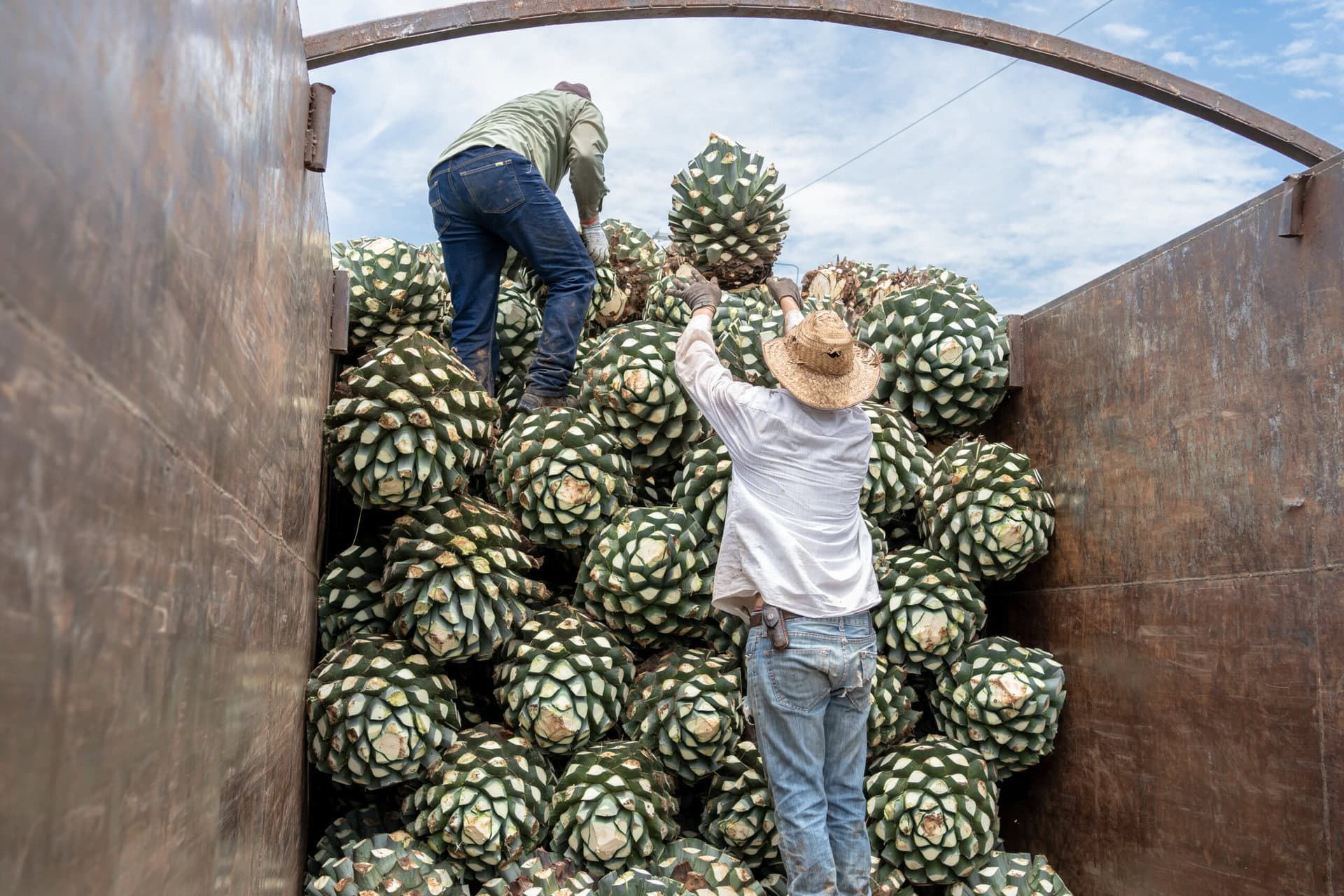
- Raw Material – It must be made from Blue Weber agave (Agave tequilana Weber var. azul). For tequilas labeled “100% agave,” all fermentable sugars must come exclusively from this plant. For “mixto” tequila, at least 51% of the sugars must derive from Blue Weber agave, with the remainder permitted from other sources such as cane or corn.
- Fermentation and Distillation – Sugars from the agave must be fermented and distilled within the same authorized region.
- Alcohol Content – Bottled tequila must contain between 35% and 55% alcohol by volume (ABV).
- Additives – Caramel color, oak extract, glycerin, and sugar syrup are allowed only in small amounts under regulation. Excessive use disqualifies a product from being called “100% agave.”
- Certification – Each authentic tequila bottle must carry a NOM number and a CRT seal verifying origin and compliance.
These requirements distinguish legitimate tequila from what critics describe as fake tequila—products that appear authentic but may not conform to these legal or technical standards.
Who Is Making the Recent Accusations
The current claims come from a coalition of agave farmers and small distillers in Guanajuato. These producers, many of whom supply agave to licensed distilleries, have accused large companies of diluting tequila with cheaper cane-based spirits.
Their concerns are not just economic. Farmers argue that adulteration depresses agave demand, lowers farmgate prices, and erodes consumer confidence in Mexican spirits. Because they operate inside the tequila supply chain, their perspective carries greater legitimacy than that of outside critics.
The Role of the CRT: Mexico’s Tequila Regulator
The Consejo Regulador del Tequila (CRT) is the government-sanctioned body responsible for verifying and certifying tequila production. Founded in 1994, the CRT ensures compliance with the Denomination of Origin and NOM standards.
The CRT’s responsibilities include registering distilleries, assigning NOM numbers, monitoring labeling, and testing tequila for compliance with alcohol and sugar standards. It also defends the legal use of the word “tequila” internationally.
However, independent advocacy groups and transparency initiatives have criticized the CRT for relying heavily on producer-supplied documentation rather than independent laboratory verification. These critics argue that stronger third-party testing is needed to maintain public confidence.
The CRT disputes these criticisms, asserting that it remains the sole recognized authority for verifying tequila authenticity.
The Nature of the Accusations
Reports summarized in Drinks International describe allegations that some “100% agave” brands may contain significant amounts of non-agave alcohol. Independent testing commissioned by farmer cooperatives reportedly detected irregular compositions and even traces of excess methanol in a few samples.
At the same time, several U.S. class action lawsuits have accused major multinational producers of deceptive labeling. The filings claim that lab data revealed inconsistencies with pure agave fermentation.
The companies involved, including Diageo, deny any wrongdoing. They emphasize compliance with both Mexican and U.S. regulations and point to CRT certification as evidence of authenticity.
How Testing Identifies Suspected Adulteration
Researchers employ carbon isotope ratio analysis to identify the biological origin of ethanol. Blue Weber agave, as a C-3 plant, exhibits a distinct isotope signature compared to cane or corn, which are C-4 plants.
Additional tools include NMR spectroscopy, infrared spectrophotometry, and gas chromatography, which detect chemical fingerprints unique to true agave spirits. These methods have become central to the farmer-led and consumer lawsuits.
While scientifically credible, results can vary due to environmental and fermentation factors. For now, these tests support only allegations, not legal proof.
Methanol and Its Health Risks
Among the most serious accusations are findings of elevated methanol levels in certain samples. Methanol is a toxic by-product of fermentation that should be removed during proper distillation.
Even small quantities can be dangerous. The World Health Organization warns that ingestion of as little as 10 milliliters can cause permanent blindness, and larger doses can be fatal. Because methanol is odorless and colorless, consumers cannot detect it by taste or smell.
Its presence in any tequila sample indicates unsafe production practices or deliberate cost-cutting—both of which violate Mexican law and endanger public health.
Economic Pressures Behind the Problem
Producing authentic agave tequila is labor-intensive and expensive. Agave plants take up to eight years to mature, and price volatility often strains producers. Substituting industrial alcohol can reduce production costs by more than forty percent.
When blended spirits are labeled “100% agave,” profit margins increase dramatically. This economic temptation, coupled with weak oversight, provides the incentive alleged in many current complaints.
Why the Farmers’ Coalition Is Credible
The Guanajuato coalition, known as Agaveros 100 Por Ciento de Origen Mexicano, includes experienced growers with decades in the agave trade. They possess first-hand data on crop yields, contracts, and pricing trends. Their complaint, filed with Mexico’s Attorney General in León, cites both economic damage and consumer deception.
Because they represent the agricultural base of the tequila industry, their voices lend significant credibility to the movement demanding reform.
Litigation Watch: Tequila Purity and Fake Tequila Cases
Legal actions in both the United States and Mexico are testing the boundaries of truth in labeling. The following summary outlines active proceedings, though none have resulted in judicial findings.
Pusateri et al. v. Diageo North America, Inc. was filed May 5, 2025, in New York federal court by consumers including Avi Pusateri and Sushi Tokyo Inc. They allege that Casamigos and Don Julio tequilas contain non-agave alcohol despite being marketed as “100% agave.” The plaintiffs seek damages exceeding five million dollars. Diageo strongly denies the claims and maintains that all products are fully CRT-certified.
A second case filed in San Francisco in July 2025 by Baron & Budd and Hagens Berman expands those claims and adds RICO counts alleging a pattern of fraudulent conduct. Diageo again rejects all allegations as “baseless.”
In Florida, Haschemie v. Cinco Spirits Group, LLC names Cincoro Tequila, co-founded by Michael Jordan, alleging that its “100% de agave” label is misleading. Plaintiffs cite isotope testing; the company denies any impurity and asserts full compliance.
In Mexico, Agaveros 100 Por Ciento de Origen Mexicano filed a criminal complaint against a “well-known chain of wine and liquor stores” and a “multinational chain of self-service stores.” The filing alleges the sale of adulterated tequila, with one tested sample showing less than thirty-three percent agave-derived alcohol and elevated methanol content. The accused stores have not been named publicly while investigations proceed.
Allegations vs Facts
These cases remain active, and no court has issued a ruling confirming any wrongdoing. Each defendant continues to assert compliance with regulatory standards. However, the combination of farmer complaints and consumer lawsuits has forced unprecedented scrutiny of the entire tequila category.
Timeline of Key 2025 Events
• February 2025 – Agaveros coalition files complaint in León, Guanajuato.
• May 2025 – Pusateri v. Diageo filed in New York.
• July 2025 – Expanded RICO case filed in San Francisco.
• August 2025 – Haschemie v. Cinco Spirits Group filed in Florida.
• October 2025 – Mexican investigation continues; no formal indictments announced.
Each case asks the same essential question: are consumers really getting pure agave tequila—or paying premium prices for imitation?
Felene’s Original Guidance Remains Relevant
Felene’s earlier article offered practical ways to identify authentic tequila: verify “100% de agave,” check the NOM number, avoid vague marketing language, and purchase from trusted retailers.
Today, consumers should also investigate whether their preferred brands disclose production data, participate in independent audits, or support additive-free transparency programs. Authentic producers will have nothing to hide.
FAQ: Understanding the Fake Tequila Controversy
1. What does “100% agave” mean on a tequila label?
“100% agave” means that all fermentable sugars in the tequila come from the Blue Weber agave plant. No other sources of sugar, such as cane or corn, may be used in production. If other sugars are used, the product must be labeled “mixto” tequila instead.
2. Is my tequila fake if it says 100% agave but tastes sweet or artificial?
Not necessarily. Some legal additives like glycerin or oak extract can alter flavor. However, overly sweet or syrupy textures can indicate the use of excessive additives or non-agave alcohol. Always check for the NOM number and CRT seal to confirm authenticity.
3. Who regulates tequila production in Mexico?
The Consejo Regulador del Tequila (CRT) regulates tequila production under the Mexican Norm NOM-006-SCFI-2012. It oversees labeling, quality, and compliance with the Denomination of Origin that defines real tequila.
4. What is methanol, and why is it dangerous?
Methanol is a toxic alcohol that can form during fermentation. Proper distillation removes it. High levels can cause blindness or even death. Methanol should never be present in significant quantities in safe, certified tequila.
5. Which brands are currently facing legal allegations?
As of late 2025, lawsuits have been filed against Diageo (producers of Casamigos and Don Julio) and Cincoro Tequila, among others. Each case alleges mislabeling or adulteration of “100% agave” products. All remain active, and no court has issued a ruling or confirmed wrongdoing.
6. What can consumers do to avoid fake tequila?
Consumers should buy only from reputable retailers, verify the NOM number, and look for transparency about sourcing. Reviewing producer websites and avoiding unusually cheap “100% agave” bottles can help ensure authenticity.
7. How is real tequila defined under Mexican law?
Real tequila must be distilled from Blue Weber agave grown in authorized regions of Jalisco, Guanajuato, Michoacán, Nayarit, and Tamaulipas. It must contain between 35% and 55% alcohol by volume and comply with NOM-006-SCFI-2012 standards.
Understanding Additives in Tequila: What’s Allowed and What’s Misleading
In Mexico, tequila production is governed by NOM-006-SCFI-2012, which allows a limited number of additives even in spirits labeled “100% agave.” These substances, when used correctly, are considered part of normal production rather than adulteration.
Permitted additives include glycerin, caramel color, oak extract, and sugar syrup. Each has a defined purpose and must remain within strict concentration limits—typically under one percent by volume.
Glycerin is used to soften mouthfeel and balance texture. Caramel color provides consistency in aged tequila appearance. Oak extract reproduces barrel-aged flavors in blended products. Sugar syrup may round out harsh edges or unify flavor between batches.
When used within the legal threshold, these additives are not deceptive. They are regulated and disclosed to the Consejo Regulador del Tequila (CRT) as part of the distillery’s compliance process.
How Marketing Claims are Confusing Consumers
However, confusion often arises because the term “additive-free” has become a marketing claim. Some brands seek third-party certifications that promote “zero additives,” suggesting that additive use is inherently dishonest. In truth, Mexican law recognizes these additives as legitimate tools of the trade when used transparently.
The tension lies in perception. While the additive-free movement appeals to consumers who want purity, critics argue that it oversimplifies the complexity of tequila production. Small producers sometimes avoid certification fees or choose natural balance through aging, while larger distilleries may rely on trace additives to achieve uniformity. Both methods can produce high-quality, compliant tequila.
The key issue is transparency, not necessarily the mere presence of additives. Ethical producers disclose their use and stay within the legal limits established by NOM-006-SCFI-2012. Misuse occurs only when additives conceal poor-quality distillation or when companies falsely advertise “100% agave” while exceeding allowable thresholds.
Therefore, consumers should interpret “additive-free” as a preference, not a guarantee of honesty. The presence of legal additives does not automatically make tequila fake or fraudulent—it only becomes a concern when producers violate legal limits or mislead buyers through labeling and omission.
Balanced Perspective and Path Forward
All current complaints remain allegations and not legal determinations. Laboratories differ in methodology, and results may vary by batch. The CRT continues to stand by its certification standards.
Nevertheless, these cases have already raised awareness about the need for better verification and honesty in labeling. If transparency becomes the industry standard, both producers and consumers will benefit.
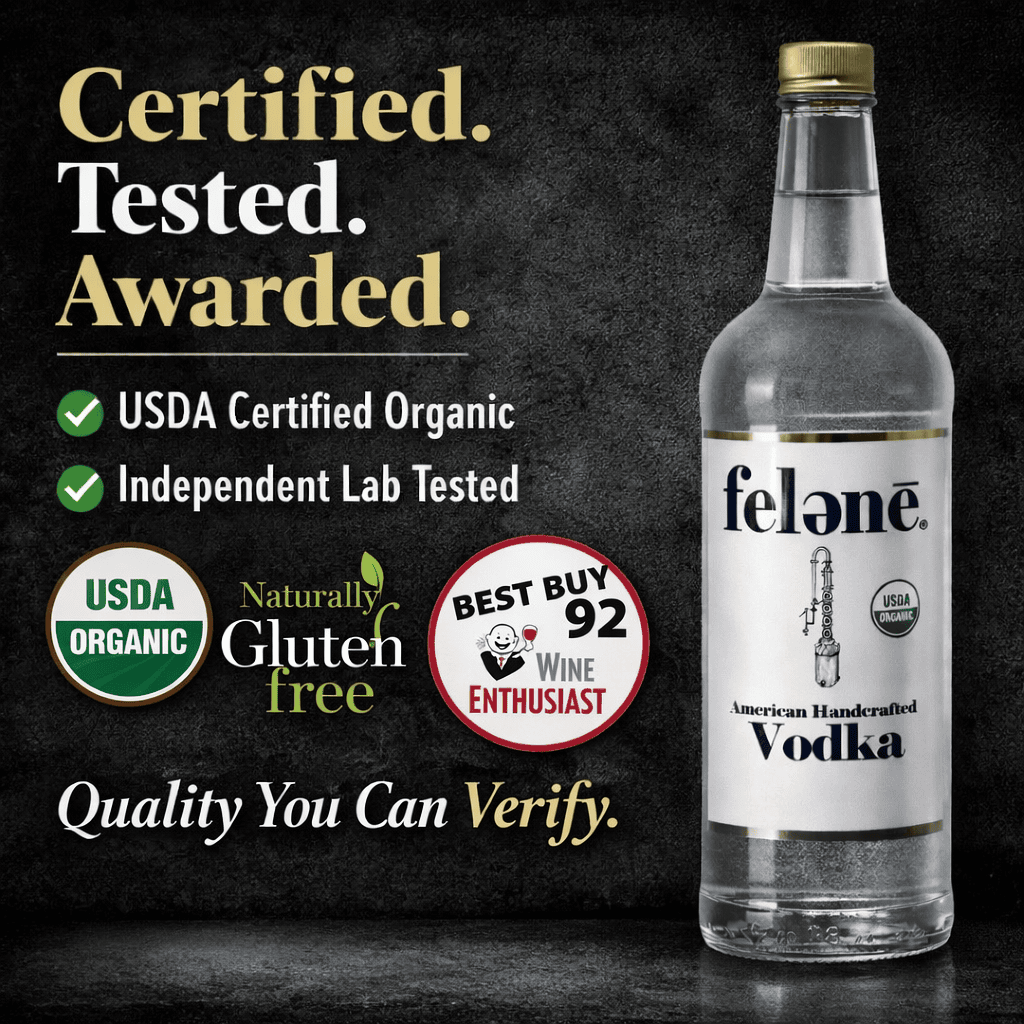
Felene continues to advocate for purity, safety, and integrity across every spirit category. Whether vodka or tequila, true craftsmanship depends on trust—and trust begins with truth.