How to taste whiskey and other spirits with a clear, standardized method
Most tasting notes feel overwrought and vague. Instead, a simple framework can be used. Therefore, anyone can write confident notes. This guide shows a practical, repeatable workflow.
Why standardized tasting notes matter
Consistency builds trust with readers and teams. Bias is reduced when clear steps are followed. Comparisons become easier across styles and categories. Moreover, training improves with shared language and structure.
The framework at a glance
A five-stage flow is recommended here. First, set up the room and tools. Next, assess appearance, aroma, palate, and finish. Finally, capture descriptors and calibrate agreement across tasters.
Set up for success

Choose a quiet space for sensory focus. Use neutral lighting whenever possible. Avoid scented candles and strong kitchen odors. A plain table mat also helps with visual assessment.
Glassware and temperature
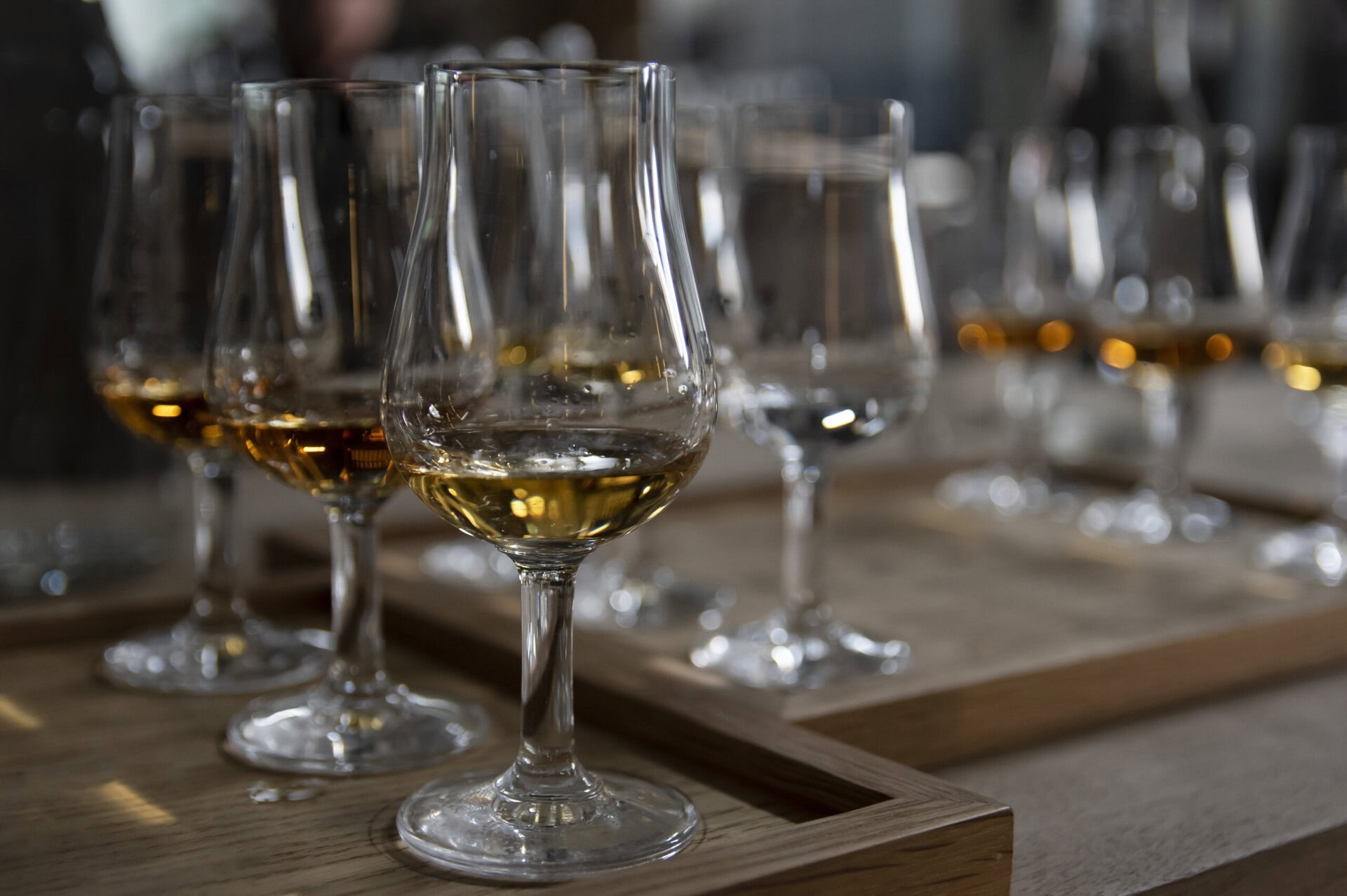
ISO tulip glasses are recommended for control. Prepare one sample at about 42°F. Keep another sample at room temperature. Aromatics will open differently across temperatures.
Neat, then diluted
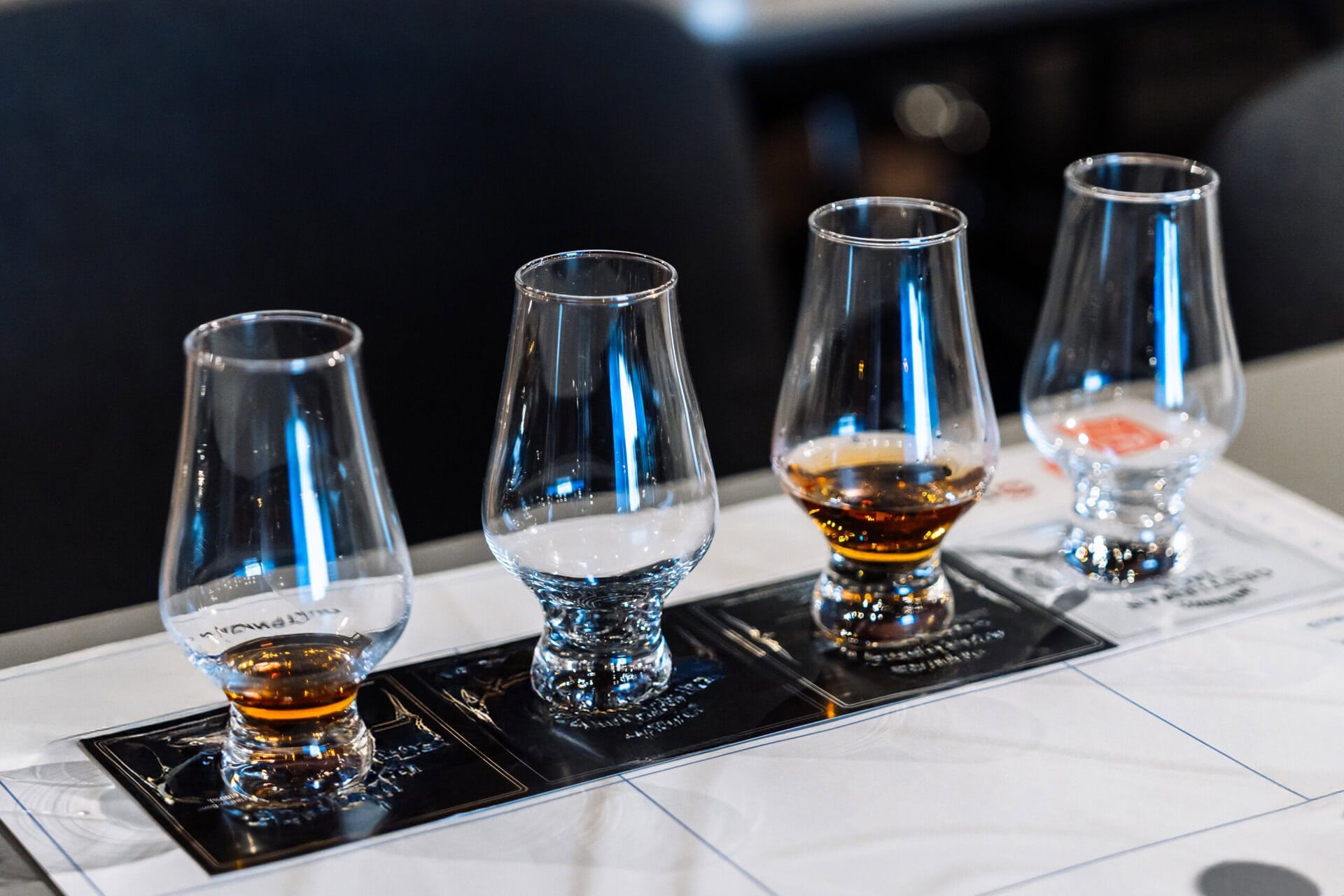
Taste neat before adding water. Then dilute a neat pour 1:1 with water. Aromatic separation is often improved by dilution. However, structure should remain recognizable across pours.
Pour size and timing
Smaller pours reduce adaptation and fatigue. One ounce per evaluation is usually sufficient. Rest each pour for two minutes before nosing. Then proceed through the steps deliberately.
Appearance

Hold the glass over a white surface. Note clarity, color, and viscosity after a gentle swirl. Observe the legs without overinterpreting them. Keep this step fast and objective.
Aroma: three passes
Pass one captures top notes after a swirl. Use short sniffs rather than deep inhalations. Pass two seeks mid-palate aromas with slower breaths. Pass three confirms base notes after a brief rest.
Palate: three sips
Sip one maps structure and balance. Judge body, sweetness, acidity, and perceived heat. Sip two targets flavor families and transitions. Sip three evaluates finish length and afteraromas.
Finish timing
Time the fade using a simple count. Short finishes end within ten seconds. Medium finishes approach thirty seconds. Long finishes extend beyond thirty seconds.
Contact points and perceived “heat”
Perceived heat travels trigeminal pathways, not taste receptors. Therefore, first contact will shape heat impressions. The tongue tip is highly touch-sensitive, so prickle can be exaggerated, while sweetness appears faster. Mid-tongue contact emphasizes sharpness and astringency, so alcohol may feel more aggressive here.
Back-of-tongue contact coincides with the swallow. As you swallow, volatiles rush retronasally and spice notes can bloom. Consequently, perceived heat often spikes briefly during this transition. Recognize this pattern to separate heat from flavor.
A practical technique
Start with a small “parachute” sip to the tip. Roll the liquid gently along the sides. Allow brief back-tongue contact, then swallow. Pause and evaluate the retronasal aroma.
This sequence often smooths perceived burn. It also separates sweetness, structure, and finish. Therefore, cleaner notes can be recorded. Test both sequences to calibrate your team.
Dilution and heat management
Add a few drops of water to the neat pour. Volatile aromatics may release more easily. Trigeminal burn usually drops a notch. However, reassess balance because intensity changes.
Build a shared descriptor set
Anchor terms aid inter-taster agreement. Select three to five aroma anchors per sample. Examples include citrus zest, stone fruit, vanilla, mineral, cereal, and floral. Add one or two mouthfeel terms for texture.
Finish descriptors are equally important. Consider dry, warming, peppery, or cooling. Keep intensity scales simple and clear. Use low, medium, or high.
Off-notes and faults
Record sulfur, solvent, or raw acetone immediately. Note musty, cardboard, or wet-grain aromas with care. State intensity and location in the sip. Avoid colorful metaphors that confuse readers.
The capture format
Use a fixed order for every spirit. Write Appearance, Aroma, Palate, Mouthfeel, and Finish. Then add Structure, Balance, and Overall Impression. Finally, include a short sell-sheet line.
YOU MAY ALSO LIKE: HOUSE VODKA, WHY QUALITY MATTERS
Example worksheet prompts
Appearance: clarity, color, and viscosity. Aroma: top, mid, and base notes. Palate: entry, development, and peak flavors. Finish: length, afteraromas, and temperature effect.
Mouthfeel: weight, texture, and perceived warmth. Structure: sweetness, acidity, and tannin if applicable. Balance: integrated, skewed, or evolving. Overall: quality level and serving context.
Agreement and calibration
Aim for at least 70% descriptor agreement. Discuss disagreements after blind reveals. Conflicts often reflect sequence or temperature differences. Update anchors once agreement stabilizes.
Training cadence
Short sessions are better than marathons. Two to three spirits per session are ideal. Keep palate cleansers simple. Water and plain crackers usually suffice.
Optional scoring
Numbers can be added when required. However, clarity should remain the priority. Share scoring rubrics beforehand. Adjust weighting to fit category norms.
A quick, no-nonsense workflow
Prepare two glasses per spirit, cold and ambient. Taste neat, then taste diluted for contrast. Use the three-pass nose and three-sip palate. Time the finish and mark intensity.
Then capture mouthfeel and structure. Note contact-point effects on perceived heat. Agree on three to five final descriptors. Finally, write a concise summary line.
Example summary line
“Silky entry, citrus and vanilla mid-palate, peppered finish; medium length and polished balance.” This sentence fits menus and sell sheets, aligns staff language, and guides pairing conversations.
Final Sip
Pompous notes can be entertaining but unhelpful. A standardized method offers clarity and repeatability. Moreover, it invites broader participation and learning. Your notes will become trusted and actionable.