Top Cocktail Sweeteners and How to Use Them (originally published May 5, 2024)
In this Article
Welcome to a comprehensive exploration of the top cocktail sweeteners, essential for any mixologist or cocktail enthusiast aiming to refine their drink creations. This article delves into the finest sweeteners used in cocktail mixology, offering insights into their unique profiles, popular applications, and why they stand out as the ideal choices for specific cocktails.
The choice of sweetener can profoundly influence the flavor and character of a cocktail. This article explores the top sweeteners used in cocktail mixing, detailing their unique characteristics, popular uses in cocktails, optimal storage methods, and shelf life.
How to Gauge Sweetness in Cocktails
Sweetness should support the drink rather than dominate. It is helpful to consider sweetness alongside acidity, bitterness, and alcohol intensity. Stronger or more bitter cocktails often benefit from slightly higher sweetness. A sweetener’s composition influences perceived sweetness. Sweeteners with higher fructose levels will seem sweeter than those with mostly glucose. Start by adding a measured amount, usually 0.5 to 0.75 ounces of syrup. Taste and adjust in small increments. If the drink tastes dull, increase the sweetener slightly. If the drink tastes heavy or cloying, reduce the sweetener or choose one with a lighter flavor profile. Over time, bartenders and home entertainers develop a personal scale for sweetness. That scale becomes invaluable as new sweeteners and recipes are introduced.
Sugar Composition and Perceived Sweetness
Sugar is not a single ingredient. It exists in several forms, and each influences sweetness differently.
- Fructose tastes sweeter than glucose.
- Glucose tastes less sweet but adds roundness and body.
- Sucrose (common table sugar) breaks down into roughly equal fructose and glucose.
- Invert sugar refers to syrups where sucrose has already been split. These syrups taste slightly sweeter and blend more smoothly into cocktails.
When a cocktail calls for a sweetener, the type of sugar matters. High-fructose sweeteners taste sweeter and require less volume. Sweeteners richer in glucose offer subtle sweetness and a softer flavor impact. Recognizing sugar composition allows more precise cocktail balancing and better control over sweetness intensity.
Related Article: How to Create Exceptional Vodka Cocktails: Alchemy of Mixology
Below are our top sweeteners used for cocktails with nutrition statements for each of the sweeteners, based on an average amount typically used in cocktails. The estimates are for about one tablespoon (approximately 15 ml) of each sweetener, which is a common serving size in cocktails:
1. Simple Syrup

Explanation: Simple syrup is a blend of water and sugar, boiled until the sugar dissolves.
Cocktails Used: Essential in Mojitos, Daiquiris, and Whiskey Sours.
Best For: Its neutral flavor makes it a versatile sweetener.
Storage: Keep refrigerated in an airtight container.
Shelf Life: Lasts about one month.
- Calories: 49 kcal
- Carbohydrates: 12.7 g
- Sugar: 12.7 g
- Sugar Type: Sucrose (breaks into ~50% fructose / ~50% glucose)
2. Honey

Explanation: Honey offers a rich sweetness with floral undertones.
Cocktails Used: Perfect for Hot Toddies and Bees Knees.
Best For: Complements herbal and citrus flavors.
Storage: Store in a cool, dry place.
Shelf Life: Can last indefinitely, though may crystallize over time.
- Calories: 64 kcal
- Carbohydrates: 17.3 g
- Sugar: 17.3 g
- Sugar Type: ~40% fructose / ~30% glucose (plus minor sugars and water)
3. Agave Nectar

Explanation: A sweetener from the agave plant, it’s sweeter than honey.
Cocktails Used: A favorite in Margaritas.
Best For: Its mild flavor blends seamlessly in beverages.
Storage: Keep in a cool, dry place.
Shelf Life: Approximately two years.
- Calories: 60 kcal
- Carbohydrates: 16 g
- Sugar: 16 g
- Sugar Type: High in fructose (~70–90% fructose / ~10–30% glucose)
4. Maple Syrup
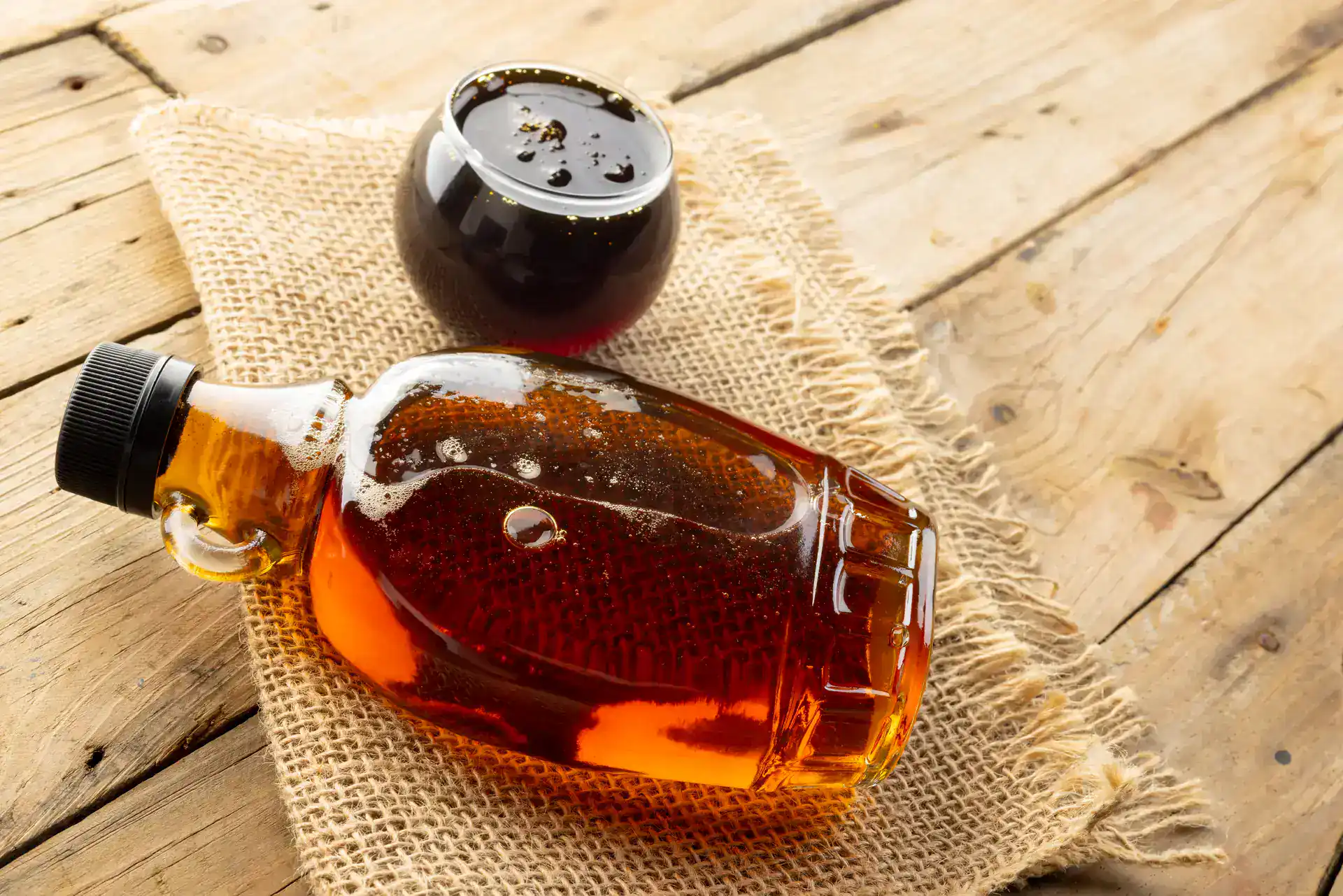
Explanation: Provides a distinctive woody sweetness.
Cocktails Used: Great in Old Fashioneds and Maple Leafs.
Best For: Pairs excellently with dark spirits.
Storage: Refrigerate after opening.
Shelf Life: Can last up to a year when stored properly.
- Calories: 52 kcal
- Carbohydrates: 13.4 g
- Sugar: 12.1 g
- Sugar Type: Mostly sucrose (breaks into ~50% fructose / ~50% glucose)
5. Demerara Sugar

Explanation: This raw sugar has a caramel-like taste.
Cocktails Used: Ideal in Rum cocktails and Sazeracs.
Best For: Adds a rich, molasses-like sweetness.
Storage: Keep in an airtight container in a dry place.
Shelf Life: Lasts indefinitely if kept dry.
- Calories: 45 kcal
- Carbohydrates: 12 g
- Sugar: 12 g
- Sugar Type: Sucrose with trace molasses (~50% fructose / ~50% glucose)
6. Coconut Sugar

Explanation: Offers a mild caramel flavor.
Cocktails Used: Enhances tropical drinks.
Best For: Complements fruity and rum-based cocktails.
Storage: Store in a cool, dry place, tightly sealed.
Shelf Life: About two years.
- Calories: 45 kcal
- Carbohydrates: 12 g
- Sugar: 12 g
- Sugar Type: Mostly sucrose (~70–79%) with small glucose and fructose amounts
7. Molasses

Explanation: Thick, dark, and rich in flavor.
Cocktails Used: Used in robust cocktails like Rum Punch.
Best For: Balances strong, spicy ingredients.
Storage: Store in a cool, dry place.
Shelf Life: Can last up to two years.
- Calories: 58 kcal
- Carbohydrates: 14.9 g
- Sugar: 10.1 g
- Sugar Type: Mix of sucrose and invert sugars (approx. equal fructose and glucose)
8. Corn Syrup

Explanation: A thick, sweet liquid that enhances texture.
Cocktails Used: Common in Mint Juleps and frozen drinks.
Best For: Prevents sugar crystallization in cold drinks.
Storage: Keep in a cool, dry place.
Shelf Life: Lasts about six months.
- Calories: 62 kcal
- Carbohydrates: 16.9 g
- Sugar: 4.9 g
- Sugar Type: Predominantly glucose
9. Stevia

Explanation: A zero-calorie, plant-based sweetener.
Cocktails Used: Suitable for any cocktail as a sugar substitute.
Best For: A healthy alternative without compromising sweetness.
Storage: Store in a dry, cool place.
Shelf Life: Up to four years.
- Calories: 0 kcal
- Carbohydrates: 1 g (non-glycemic)
- Sugar: 0 g
- Sugar Type: No fructose or glucose (non-nutritive plant glycosides)
10. Cane Syrup

Explanation: Thicker and richer than simple syrup.
Cocktails Used: Popular in Caipirinhas and other classics.
Best For: Deepens the flavor profiles of cocktails.
Storage: Refrigerate after opening.
Shelf Life: Lasts about six months.
- Calories: 57 kcal
- Carbohydrates: 14.5 g
- Sugar: 14.5 g
- Sugar Type: Sucrose (breaks into ~50% fructose / ~50% glucose)
11. Date Syrup

Explanation: Features a deep, naturally sweet flavor.
Cocktails Used: Excellent in cocktails that require a fruity sweetness.
Best For: Adds a rich undertone to bourbon or brandy drinks.
Storage: Refrigerate after opening.
Shelf Life: About a year.
- Calories: 56 kcal
- Carbohydrates: 15 g
- Sugar: 13 g
- Sugar Type: Blend of fructose and glucose, varies by fruit and process
12. Rice Syrup

Explanation: Subtly sweet, derived from fermented cooked rice.
Cocktails Used: Works well in Asian-inspired cocktails.
Best For: Its mild sweetness complements delicate flavors.
Storage: Refrigerate after opening.
Shelf Life: Lasts about 6 months.
- Calories: 57 kcal
- Carbohydrates: 14.5 g
- Sugar: 9.5 g
- Sugar Type: Primarily glucose and maltose, very low fructose
13. Brown Sugar

Explanation: Contains molasses, offering a moist, deep flavor.
Cocktails Used: Essential for rich, spiced cocktails.
Best For: Its molasses
content enriches warm, spiced drinks.
Storage: Store in an airtight container in a dry area.
Shelf Life: Can last indefinitely, but best used within two years for optimal flavor.
- Calories: 52 kcal
- Carbohydrates: 13.5 g
- Sugar: 13.5 g
- Sugar Type: Primarily sucrose (~50% fructose / ~50% glucose) with molasses content adding minerals and deeper flavor
14. Sorghum Syrup

Explanation: Sorghum syrup provides a nutty, earthy sweetness.
Cocktails Used: A favorite in Southern cocktails and old-fashioned recipes.
Best For: Enhances dark spirits with its robust flavor.
Storage: Keep in a cool, dry place; refrigerate after opening.
Shelf Life: Lasts about one year.
- Calories: 61 kcal
- Carbohydrates: 16 g
- Sugar: 16 g
- Sugar Type: Mostly sucrose with smaller amounts of glucose and fructose
15. Fruit Purees

Explanation: Made from blended fruits, offering natural sweetness and flavor.
Cocktails Used: Essential for Bellinis and fruity daiquiris.
Best For: Adds fresh fruit flavors and vibrant colors to cocktails.
Storage: Refrigerate after opening; freeze to extend shelf life.
Shelf Life: Lasts about a week in the fridge, several months frozen.
- Calories: (varies by fruit, approximate for apple) 15 kcal
- Carbohydrates: 4 g
- Sugar: 3 g
- Sugar Type: Natural sugars vary by fruit, but most contain both fructose and glucose, with fructose often dominant.
16. Birch Syrup

Explanation: A rare, spicy-sweet syrup harvested from birch trees.
Cocktails Used: Used in specialty and artisan cocktails.
Best For: Provides a unique, gourmet twist to traditional drinks.
Storage: Refrigerate after opening.
Shelf Life: Approximately one year.
- Calories: 54 kcal
- Carbohydrates: 13.5 g
- Sugar: 9 g
- Sugar Type: Primarily fructose, with some glucose and trace sucrose.
17. Barley Malt Syrup

Explanation: A syrup with a strong, malty and slightly sweet flavor.
Cocktails Used: Complements whiskey and beer cocktails superbly.
Best For: Its maltiness enhances the complexity of hearty cocktails.
Storage: Store in a cool, dry place; refrigerate to extend freshness.
Shelf Life: About two years.
- Calories: 58 kcal
- Carbohydrates: 14.5 g
- Sugar: 8 g
- Sugar Type: Primarily maltose (a glucose-based sugar), with smaller amounts of glucose and complex carbohydrates.
Each of these sweeteners can transform a simple cocktail into a masterpiece of flavor, making them indispensable tools in a mixologist’s arsenal. Proper storage is crucial to maintaining their quality and extending their usability, ensuring every cocktail crafted with them delivers the intended delight. Whether you are a seasoned bartender or a cocktail enthusiast at home, understanding these sweeteners and their optimal use will elevate your mixology skills and impress your guests with every sip.