Understanding Consumer Behavior in Liquor Stores
(Updated February 13, 2026) – Independent liquor stores can boost profits by prioritizing higher-margin craft brands over volume-driven national labels.
However, the operating environment has changed materially since early 2025.
Margin compression has intensified due to grocery expansion, distributor consolidation, and reduced supplier support.
As a result, profit strategy must now be intentional rather than reactive.
Today, survival depends on assortment discipline, staff engagement, and margin-aware selling.
Therefore, craft brands should be treated as a profit center, not a novelty category.
Learning From Consumer Queues
Liquor store consumer behavior can unlock a valuable insight into higher profits. Retail liquor stores experience a diverse range of customers, from those who know exactly what they want to “shoppers” on the hunt for new products and ideas. Recent studies indicate that a significant percentage of liquor store patrons fall into the latter category, seeking innovative flavors or alternative brands. According to the Distilled Spirits Council, about 47% of customers are open to trying new products based on recommendations from store staff.
We first ran this story back in October of 2024 and since then we think we were right on the mark. Craft spirits have boomed in the half year since then and show no signs of stopping.
This insight highlights an opportunity for liquor store operators to influence buying behavior, guiding customers toward higher-margin products. Often, these individuals may gravitate towards well-known national brands because of their visibility, celebrity endorsements, or high-level marketing campaigns. However, these brands are not always the best choice in terms of quality or profit margins for the retailer.
JUST THE FACTS
The willingness of consumers to switch brands in a liquor store based on staff recommendations varies, but several studies offer insights into this behavior. According to a 2020 study conducted by the Distilled Spirits Council, approximately 46% of liquor store consumers are likely to try a new brand if it is recommended by store staff. This statistic suggests that nearly half of all shoppers are open to switching from their usual purchase when guided by a knowledgeable employee.
Additional data from a survey by NielsenIQ supports these findings, indicating that 42% of consumers in liquor stores rely on recommendations from store staff when making a purchase decision. This survey highlighted that customer trust in the expertise and knowledge of store staff plays a crucial role in influencing their choice of product.
Furthermore, research by the Beverage Information Group revealed that staff recommendations are more influential among millennials, with around 54% of millennial shoppers in liquor stores stating they would switch brands if advised to do so by store personnel. This group tends to value authentic and personalized experiences, which increases the impact of direct interactions with well-trained staff.
These findings demonstrate the significant impact that trained staff can have on brand switching behavior in liquor stores, especially when they can clearly articulate the benefits of craft or higher-margin products over national brands.
National Brands: The Reality Behind the Image

Why National Spirits Brands No Longer Anchor Liquor Store Profitability
National spirits brands continue generating volume, yet margin erosion has accelerated. Pricing pressure is driven by promotions, chain parity, and distributor scale incentives. Consequently, independent retailers are forced into price competition they cannot win. Craft brands offer greater pricing flexibility and insulation from direct comparison. Therefore, margin stability is restored through differentiation rather than discounting.
READ ALSO:
How Consumer Recommendation Behavior Drives Craft Spirits Sales
Consumer reliance on staff recommendations remains high, despite increased shelf clutter. However, buying decisions are now driven by perceived value instead of brand familiarity. Craft spirits are increasingly viewed as quality-forward and worth the premium. When staff confidence is demonstrated, conversion rates increase measurably. Thus, staff engagement remains the most effective sales multiplier available.
What Defines a Craft Spirits Brand for Modern Liquor Store Shoppers
Craft spirits must be clearly defined for both staff and customers. Transparency in production, ingredient integrity, and brand authenticity now drive trust. Regional relevance further strengthens emotional connection and loyalty. This definition should be communicated consistently at shelf and during conversation. Without clarity, craft becomes a vague marketing term with limited impact.
Updating Craft Brand Sales Strategies for Measurable Results
Traditional craft-selling tactics remain effective, yet expectations have increased. Each strategy should now be tied to measurable outcomes. Tastings should be evaluated by post-event velocity rather than attendance. Staff education should be measured by margin lift, not product familiarity alone. Shelf placement should be reviewed against sell-through data quarterly. Execution discipline now determines success.
The Most Important KPIs for Craft-Driven Liquor Store Profit Growth
Retailers should track a focused set of performance indicators. These include gross margin by category, craft conversion following recommendation, incremental revenue per tasting, and basket size expansion. When reviewed consistently, these metrics guide smarter inventory and labor decisions. Without measurement, craft strategy remains anecdotal and inefficient.
Why Independent Liquor Stores Must Act Now to Protect Margins
The margin environment will not self-correct. Distributor portfolios will continue expanding, while representation becomes increasingly diluted. As a result, passive retailers face gradual shelf irrelevance. Stores that actively champion high-margin craft brands regain pricing control and differentiation. Ultimately, profitability becomes intentional rather than accidental.
Ten Strategies for Liquor Stores to Increase Profits with Craft Brands
Here are ten actionable strategies that liquor store operators can implement to direct their customers toward higher-quality craft products:
- Staff Training Programs: Train your staff to engage customers with knowledge about the unique aspects of craft brands.
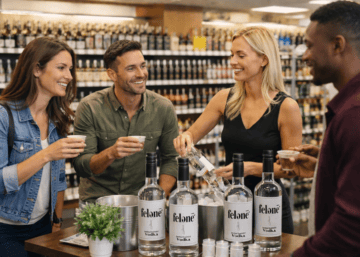
- In-Store Tastings: Offer tastings of craft spirits to introduce customers to the flavors and quality of these products.
- Highlight Craft Brands on Shelves: Create prominent displays or sections dedicated to showcasing craft spirits in your store.
- Use Digital Signage: Leverage in-store screens to highlight the benefits and stories behind your selected craft brands.
- Customer Loyalty Programs: Incentivize customers to try new craft brands by offering discounts or rewards through loyalty programs.
- Promote Local Distilleries: Collaborate with local distilleries to provide exclusive products and promote these brands within your store.
- Engage on Social Media: Share posts about your craft selections and success stories from customers who switched from national brands.
- Educate on Quality vs. Quantity: Inform your customers about the differences in quality between mass-produced and craft spirits.
- Offer Pairing Suggestions: Train staff to suggest cocktail pairings that highlight the flavors of craft spirits, enhancing the customer experience.
- Track Sales and Feedback: Monitor which craft products sell best and collect customer feedback to refine your recommendations.
The Benefits of a Well-Trained Staff in Your Liquor Store
The benefit of training your liquor store staff is immeasurable. A well-trained staff plays a crucial role in enhancing both customer experience and store profitability. Liquor store employees who possess knowledge about products, trends, and customer preferences can significantly influence purchasing decisions. Here are some of the key benefits of having a well-trained team in your liquor store:

1. Increased Customer Satisfaction
Liquor store consumer behavior can be influenced by knowledgeable and engaged staff. When staff members provide accurate recommendations and product knowledge, customers feel valued and supported. This leads to a more enjoyable shopping experience, which increases customer satisfaction and loyalty.
2. Higher Sales Conversion Rates
A knowledgeable employee can guide customers toward products that suit their tastes or needs. This expertise often leads to higher sales conversion rates, particularly for high-margin craft brands that require some explanation.
3. Improved Upselling Opportunities
Staff trained in the nuances of different spirits are better positioned to upsell customers to premium options. Customers are more likely to switch to a higher-quality product when they understand its unique value.
4. Enhanced Store Reputation
Word-of-mouth recommendations stem from positive shopping experiences. When staff members provide great service, they enhance the store’s reputation, attracting more customers seeking expert advice.
5. Effective Promotion of Craft Brands
Craft spirits often require a story or background to appeal to consumers. Well-trained staff can effectively communicate these brand stories, driving interest in lesser-known but high-quality products.
6. Reduced Reliance on National Brands
With better knowledge of the local market and the benefits of craft spirits, your staff can guide customers away from lower-margin national brands. This strategy improves profitability by focusing on products with better margins and unique qualities.
7. Boosted Employee Morale and Engagement
Employees who receive proper training tend to feel more engaged and confident in their roles. This sense of empowerment not only boosts morale but also increases job satisfaction, leading to lower turnover rates.
8. Stronger Customer-Staff Relationships
Building a rapport with customers is easier for staff members who understand and anticipate their needs. Personalized interactions foster stronger relationships, encouraging repeat visits and higher lifetime customer value.
9. Increased Adaptability to Market Trends
A well-informed staff stays updated on market trends, allowing your store to adapt quickly to changing consumer preferences. This agility is crucial in the dynamic landscape of the beverage industry.
10. Higher Profit Margins
Ultimately, well-trained staff lead to higher profit margins by driving sales of higher-margin craft brands and increasing overall customer spend. Their influence helps to convert casual shoppers into loyal patrons who trust their recommendations.
Investing in staff training is not merely an operational expense; it is a strategic move that pays dividends in customer loyalty and increased sales. By prioritizing staff development, liquor store operators can unlock their team’s full potential to boost profitability and enhance the overall shopping experience.