Flavored Vodkas Achieve Their Distinct Taste Profiles Through a Variety of methods: Three Common Techniques
In this Article
Flavored vodka has emerged as a popular choice for consumers seeking variety in their cocktails. The art of flavoring vodka is both a science and a craft, requiring distillers to choose between multiple techniques to achieve the desired flavor profile. This article explores various methods of flavoring vodka, including infusions, essences, and additives. It also examines the use of artificial and natural colorings, sweeteners, and citric acid, while addressing why some flavored vodkas have a lower alcohol content.
Techniques for Imparting Flavors to Spirits
There are several methods used to impart flavors to vodka, each with its own advantages and limitations. The primary techniques include infusions, essences, and the addition of flavor additives.
Infusions
Infusion is one of the oldest and most traditional methods of flavoring vodka. This technique involves soaking natural ingredients, such as fruits, herbs, or spices, in vodka over a period of time. The vodka absorbs the flavors of the ingredients, resulting in a rich and complex flavor profile.
- Process of Infusion: The process begins with selecting fresh, high-quality ingredients. These ingredients are then cut, crushed, or sliced to increase the surface area, allowing for maximum flavor extraction. The prepared ingredients are placed in a container with vodka and left to steep. The infusion period can vary depending on the desired intensity of flavor, ranging from a few days to several weeks.
- Advantages of Infusion: Infusion allows for the creation of artisanal, small-batch vodkas with a distinct, natural flavor. The technique also enables the use of seasonal and locally sourced ingredients, which can be a significant selling point for craft distilleries. Additionally, infusions can produce flavors that are difficult to replicate using other methods.
- Limitations of Infusion: Despite its advantages, infusion can be time-consuming and labor-intensive. The process requires careful monitoring to avoid over-extraction, which can result in unwanted bitterness or overpowering flavors. Moreover, the natural ingredients used in infusions may have variations in flavor intensity, leading to inconsistencies between batches.
Essences
Essences are concentrated liquids or oils derived from natural or synthetic sources. These essences are blended with vodka to create flavored products. This method is popular among large-scale producers due to its efficiency and consistency.
- Process of Using Essences: Essences are typically added to the vodka after the distillation process. The essences are carefully measured and mixed with the vodka to achieve the desired flavor concentration. Because essences are highly concentrated, only a small amount is needed to flavor a large batch of vodka.
- Advantages of Using Essences: The primary advantage of using essences is consistency. Large batches of flavored vodka can be produced with the same flavor profile every time. Essences also allow for a broader range of flavors, including those that may be difficult or impossible to achieve through natural infusions. Additionally, the use of essences is less labor-intensive and can significantly reduce production time.
- Limitations of Using Essences: While essences offer consistency and efficiency, they may lack the depth and complexity of flavor achieved through infusion. Some consumers may also perceive vodkas flavored with essences as less authentic or natural. Moreover, synthetic essences, in particular, can sometimes produce a chemical aftertaste.
Additives
Flavor additives are substances that are either natural or synthetic, used to impart specific flavors to vodka. These additives can include a wide range of ingredients, such as natural fruit extracts, spices, or synthetic flavor compounds.
- Process of Adding Flavor Additives: The process involves adding the chosen additives to the vodka after distillation. Like essences, these additives are mixed with the vodka in controlled quantities to achieve the desired flavor profile. The process is usually quick and allows for precise flavor control.
- Advantages of Using Additives: Additives offer great flexibility in flavor creation. They can be used to replicate almost any flavor, from traditional fruit flavors to more exotic and unusual profiles. Additives also allow for a high level of consistency and can be easily scaled up for mass production.
- Limitations of Using Additives: The use of synthetic additives can sometimes lead to a perception of the vodka being artificial or less premium. Natural additives, while more desirable, can be expensive and may still result in variations between batches. Additionally, the use of additives may not align with the growing consumer demand for all-natural products.
The Good and the Bad
| Technique | Description | Advantages | Disadvantages |
|---|---|---|---|
| Infusion | This time-honored method involves steeping fruits, herbs, or spices directly in vodka. The alcohol extracts the essence of these ingredients, creating a subtle and nuanced flavor profile. Popular examples include citrus-infused vodkas and those infused with vanilla bean. | Natural, subtle flavors | Time-consuming, labor-intensive, flavors can be inconsistent |
| Essences | For a more concentrated and consistent flavor, distillers can utilize natural or artificial essences. These concentrated extracts are derived from the source ingredient through various processes, like distillation or maceration. | Consistent flavor, efficient | Less natural tasting than infusions, can be expensive |
| Additives | Beyond natural ingredients, some flavored vodkas incorporate food-grade additives. These might include flavorings, colorings, and sweeteners to achieve a specific taste profile or visual appeal. | Wide variety of flavors possible, precise control over taste | Artificial ingredients, may not appeal to health-conscious consumers |
The Role of Color in Flavored Spirits
The appearance of vodka can significantly impact consumer perception and appeal. Color can enhance the visual appeal of flavored vodkas, making them more attractive on the shelf and in cocktails. However, the decision to add artificial or natural coloring to vodka is not without controversy.
Natural vs. Artificial Coloring
- Natural Coloring: Natural coloring agents are derived from fruits, vegetables, and other plant sources. These colorants are often preferred by distillers who want to maintain an all-natural product. Natural colors can enhance the authenticity of flavored vodkas, making them more appealing to health-conscious consumers. However, natural colors can be unstable and may fade or change over time.
- Artificial Coloring: Artificial coloring agents are synthetic compounds designed to mimic natural colors. These colorants are more stable than natural colors and can provide consistent results. However, the use of artificial colors can be seen as a negative by consumers who prioritize natural ingredients. Additionally, some artificial colorants have been linked to health concerns, leading to increased scrutiny from regulators and consumers alike.
The Decision to Add Color
The decision to add color to vodka is influenced by several factors, including brand identity, target market, and regulatory requirements. For example, a brand positioning itself as a premium, all-natural product may choose to avoid artificial colors altogether. Conversely, a brand targeting a younger demographic may use bright, eye-catching colors to stand out on the shelf.
The Use of Sweeteners and Citric Acid
Sweeteners and citric acid play a crucial role in balancing the flavor profile of vodka. These ingredients can enhance the taste, mouthfeel, and overall appeal of flavored vodkas.
Sweeteners
- Types of Sweeteners Used: Common sweeteners used in flavored vodka include sugar, high-fructose corn syrup, and artificial sweeteners such as sucralose and aspartame. Natural sweeteners like honey and agave syrup are also used by some distillers.
- Purpose of Sweeteners: Sweeteners add sweetness to balance the natural or added flavors in vodka. They can also enhance the mouthfeel, making the vodka smoother and more palatable. Additionally, sweeteners can help mask the harshness of the alcohol, making the vodka more approachable to a broader audience.
- Impact on Consumer Perception: The choice of sweetener can significantly impact consumer perception. Natural sweeteners are often seen as more desirable, aligning with the trend toward clean-label products. However, artificial sweeteners may appeal to consumers looking for lower-calorie options.
Citric Acid
- Role of Citric Acid: Citric acid is commonly used in flavored vodkas to enhance the tartness and acidity of the product. It can balance sweetness, add a refreshing zing, and enhance the natural flavors of fruits and other ingredients.
- Advantages of Citric Acid: Citric acid is a natural preservative, helping to extend the shelf life of flavored vodkas. It also improves the stability of the flavor profile, ensuring consistency across batches.
- Considerations: While citric acid is generally well-accepted, some consumers may be sensitive to acidic flavors. The amount of citric acid used must be carefully controlled to avoid overpowering the other flavors.
The Impact of Organic Certification on Flavored Vodka
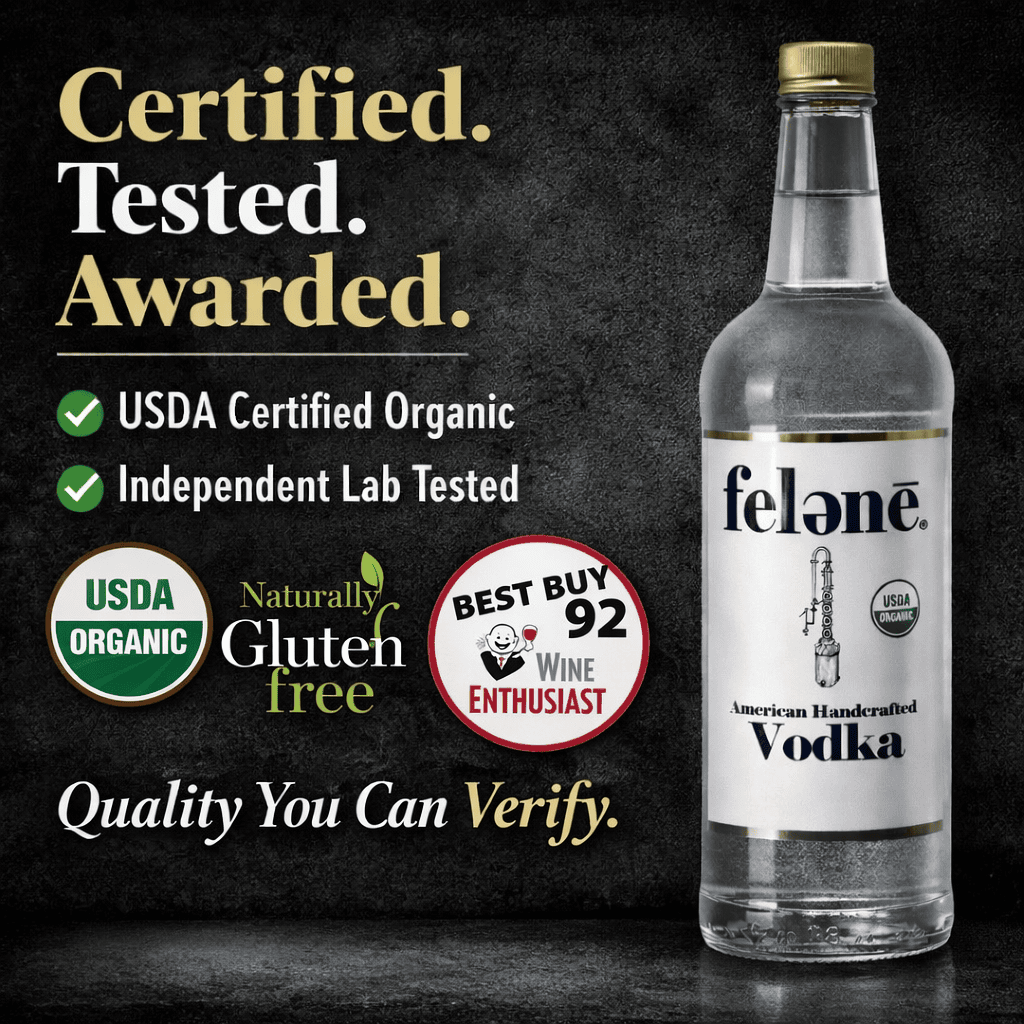
Organic certification has become increasingly important to consumers seeking natural and sustainably produced products. In the realm of flavored vodka, this trend is no exception. Organic certification ensures that the ingredients used to flavor vodka are cultivated without the use of synthetic pesticides, herbicides, or fertilizers. This can have several significant impacts on the final product:
- Enhanced Flavor Profile: Organic ingredients are often grown in healthier soils and without the interference of synthetic chemicals, allowing their natural flavors to shine through. This can result in a more vibrant and nuanced flavor profile in flavored vodkas.
- Environmental Sustainability: Organic farming practices prioritize soil health, biodiversity, and reduced pollution. By choosing organic flavored vodkas, consumers can support sustainable agriculture and minimize their environmental impact.
- Health Benefits: While the direct health benefits of consuming organic alcohol are still being studied, many consumers believe that organic ingredients are generally healthier and may contain fewer harmful residues.
- Consumer Trust: Organic certification can instill trust in consumers, as it guarantees that the product meets rigorous standards for environmental sustainability and ethical production.
It’s worth noting that while organic certification is a valuable indicator of quality and sustainability, it doesn’t necessarily guarantee a superior flavor. The specific techniques used to flavor the vodka, as well as the quality of the base spirit, also play a significant role in the final product. However, for consumers who prioritize natural and sustainable ingredients, organic flavored vodka can be a desirable choice.
Why Certain Brands Have Lower Alcohol Volume
One of the characteristics that can vary among flavored vodkas is the alcohol by volume (ABV). Some flavored vodkas have a lower ABV than their unflavored counterparts, and several factors contribute to this difference.
Flavoring Process Impact
- Dilution of Vodka: The addition of flavoring agents, sweeteners, and other ingredients can dilute the vodka, leading to a lower ABV. For example, the use of fruit juices or other liquid flavorings can reduce the alcohol concentration.
- Consumer Preferences: Some consumers prefer flavored vodkas with a lower ABV as they are smoother and less intense. This preference has led some distillers to intentionally lower the ABV of their flavored vodkas to cater to this market segment.
- Regulatory Requirements: In some regions, there may be regulatory limits on the ABV of flavored vodkas. Distillers must comply with these regulations, which can result in a lower alcohol content.
The Takeaway on Flavored Vodka
The art of flavoring vodka is a complex process that involves multiple techniques and considerations. Infusions, essences, and additives each offer unique advantages and challenges, allowing distillers to create a wide range of flavored vodkas. The use of color, sweeteners, and citric acid further enhances the product’s appeal, though these choices must align with consumer preferences and brand identity. Finally, the alcohol content of flavored vodkas is influenced by the flavoring process, consumer preferences, and regulatory requirements.
As the market for flavored vodkas continues to grow, distillers will need to balance tradition with innovation, ensuring that their products meet the evolving demands of consumers. By understanding the intricacies of each flavoring technique, distillers can create vodkas that stand out in a crowded market, offering unique and enjoyable drinking experiences.